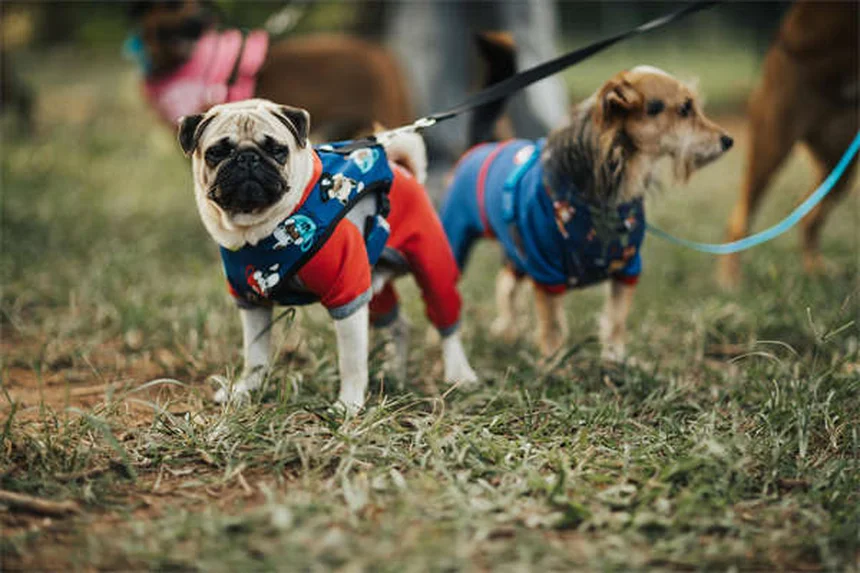
How do you potty train a puppy quickly and effectively? The answer is simple: consistency, patience, and positive reinforcement are the keys to successful puppy potty training. I've trained dozens of puppies over the years, and let me tell you - it's not about punishing accidents, but about creating a system that sets both you and your pup up for success.You might be wondering, Can I really train my puppy in just a few weeks? Absolutely! With the right approach, most puppies can be nearly fully house trained within a few months. The secret? Establishing a regular schedule, using puppy pads strategically, and rewarding good behavior immediately. Trust me, when you see your puppy finally get it, all those early morning potty breaks will feel totally worth it!
E.g. :Guinea Pig Mites: 5 Signs Your Pet Has Fur Mites & How to Treat Them
- 1、Potty Training Your Puppy: A Fun Adventure
- 2、The Magic of Puppy Pads
- 3、Crate Training: Your Secret Weapon
- 4、Positive Reinforcement: The Golden Rule
- 5、Troubleshooting Common Problems
- 6、Special Considerations
- 7、Beyond the Basics
- 8、The Science Behind Puppy Learning
- 9、Nutrition's Role in Potty Training
- 10、Technology Meets Potty Training
- 11、When to Seek Professional Help
- 12、Life After Potty Training
- 13、The Bigger Picture
- 14、FAQs
Potty Training Your Puppy: A Fun Adventure
Let me tell you something - potty training a puppy isn't just about avoiding accidents on your favorite rug. It's about building trust and creating a special bond with your new furry friend. I've trained dozens of puppies, and trust me, positive reinforcement works way better than punishment ever could.
Setting Up for Success
You know what's the secret sauce to successful potty training? Consistency. Just like kids thrive on routine, puppies do too. Here's what I always recommend:
Start by creating a schedule that works for both of you. Puppies under 8 weeks need bathroom breaks every 1-2 hours - their bladders are about the size of a walnut at this stage! As they grow, you can gradually increase the time between potty breaks.
Creating the Perfect Potty Routine
Ever notice how you always need to pee after your morning coffee? Puppies work the same way! Here's a typical schedule that's worked wonders for my clients:
| Puppy Age | Potty Break Frequency | Nighttime Duration |
|---|---|---|
| 8-10 weeks | Every 1-2 hours | 2-3 hours max |
| 10-12 weeks | Every 2-3 hours | 3-4 hours max |
| 3-6 months | Every 3-4 hours | 4-6 hours max |
Pro tip: Always take your puppy out first thing in the morning, after meals, after naps, and right before bedtime. These are their "gotta go" moments!
The Magic of Puppy Pads
Now, let's talk about one of my favorite tools - puppy pads. These aren't just for lazy days; they're training wheels for your pup's bladder control!
 Photos provided by pixabay
Why Puppy Pads Rock
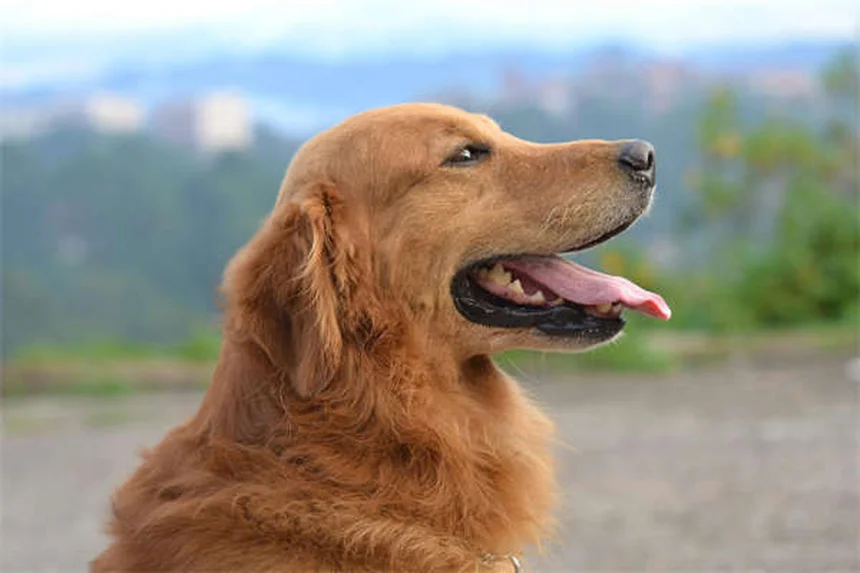
Picture this: It's 3 AM, pouring rain outside, and your 10-week-old golden retriever puppy starts doing the "I gotta go" dance. This is when puppy pads become your best friend. They:
- Teach your pup that there's a specific place for business
- Protect your floors during accidents
- Help bridge the gap between indoor and outdoor training
I always recommend placing them near your back door - it creates a natural transition to outdoor potty training later. And here's a funny story: One client's puppy thought the patterned pads were little lawns and would only go on the green parts!
Advanced Pad Techniques
Did you know some pads can actually monitor your pup's health? The Health Tracker Dog Pad changes color based on urine pH levels. When my neighbor's dog started having frequent UTIs, these pads gave them an early warning system!
For older dogs or special situations, consider:
- Overnight pads for extended coverage
- Create-A-Size pads for odd-shaped spaces
- Scented pads to attract puppies to the right spot
Crate Training: Your Secret Weapon
Here's a question I get all the time: "Isn't crating cruel?" Let me set the record straight - when done right, dogs love their crates! It becomes their personal den, their safe space.
Crate Training 101
Think of the crate as your puppy's bedroom. You wouldn't pee in your bed, would you? Neither will your pup (once they're trained). Here's how to make it work:
Start with short sessions - maybe just 10 minutes while you're home. Gradually increase the time as your puppy gets comfortable. Always make it positive with treats and praise when they enter voluntarily.
Remember that hilarious scene in Marley & Me where the puppy destroys everything? A properly sized crate can prevent that too! The crate should be big enough for your pup to stand, turn around, and lie down - but not so big they can use one end as a bathroom.
 Photos provided by pixabay
Why Puppy Pads Rock
I've seen it all - from giant crates that defeat the purpose to using the crate as punishment. Here's what not to do:
- Never force your puppy into the crate
- Don't leave them in too long (see our schedule table above)
- Avoid using the crate as "time out" punishment
Positive Reinforcement: The Golden Rule
Here's another question I hear often: "Why reward them for something they should do naturally?" Well, would you go to work if you didn't get paid? Exactly!
Rewards That Work
The key is timing - the reward must come immediately after the desired behavior. I'm talking within 3 seconds. Some winning reward options:
- Tiny training treats (pea-sized)
- Enthusiastic praise ("Good potty!")
- A quick play session with their favorite toy
One of my clients had a genius idea - she kept a special "potty toy" that only came out after successful outdoor trips. That toy became more exciting than TV!
Reading Your Puppy's Signals
Puppies have tells just like poker players. Watch for:
- Sudden sniffing in circles
- Whining or pacing
- That "I'm looking for something" expression
When you see these, it's go time - literally! Grab the leash and head outside. Pro tip: Keep treats by the door so you're always ready to reward success.
Troubleshooting Common Problems
Even with perfect training, accidents happen. Let's talk solutions for those "oops" moments.
 Photos provided by pixabay
Why Puppy Pads Rock
Here's what most people get wrong - scolding after the fact doesn't help. Your puppy won't connect the dots. Instead:
- Clean thoroughly with enzymatic cleaner (regular cleaners leave scent markers)
- If you catch them in the act, interrupt gently and rush outside
- Stay calm - frustration only makes training harder
Fun fact: One study showed puppies trained with positive methods learned 40% faster than those punished for mistakes!
Nighttime Challenges
Those 2 AM potty breaks are no joke. Here's my survival guide:
- Limit water 2 hours before bedtime
- Do a final potty break right before sleep
- Set alarms for nighttime breaks (yes, just like with a newborn)
Remember - this phase passes faster than you think. One day you'll wake up realizing you got a full night's sleep!
Special Considerations
Not all puppies are textbook cases. Let's look at some special situations.
Apartment Living
No backyard? No problem! Here's how city dwellers can succeed:
- Use balcony potty areas with artificial turf
- Train to go on command (super helpful for elevator rides)
- Consider indoor grass patches for emergencies
I trained a Yorkie in a 40th floor NYC apartment - if we can do it there, you can do it anywhere!
Multiple Puppies
Double the puppies doesn't have to mean double the accidents. Try:
- Separate training sessions at first
- Different colored leashes for tracking progress
- Individual crates placed near each other
The key is giving each puppy focused attention during those critical early weeks.
Beyond the Basics
Once you've got the fundamentals down, let's take it to the next level.
Teaching the "Go Potty" Command
This game-changer means no more standing in the rain waiting! Here's how:
- Say "go potty" as your puppy starts to eliminate
- Reward immediately after they finish
- Gradually start saying it before they begin
One client's service dog learned so well he'd fake going potty for treats - clever boy!
Transitioning to Full Outdoor
Ready to ditch the pads? Here's the smooth way:
- Gradually move pads closer to the door
- Then place just outside the door
- Finally, remove pads completely
This gradual approach prevents confusion and maintains all that hard-earned progress.
Remember, every puppy learns at their own pace. Celebrate the small victories - that first accident-free day feels like winning the Super Bowl! With patience, consistency, and lots of love, you'll have a potty-trained pup before you know it.
The Science Behind Puppy Learning
You might wonder - "How does my puppy actually learn these potty habits?" Well, it's all about associative learning. Puppies make connections between actions and consequences just like we do, but at turbo speed!
How Puppy Brains Work
Puppies have these amazing neural pathways that form super fast. When you reward them right after they potty outside, their brain goes "Aha! This action equals treats and praise!"
Here's something fascinating - research shows puppies can form these associations in as few as 3-5 repetitions. That's why consistency is so powerful. I've seen puppies who learned the potty routine faster than some humans learn to use a new smartphone!
The Emotional Connection
Training isn't just about behavior - it's about building trust. When you're patient and positive, your puppy associates you with safety and happiness. This emotional bond actually makes training more effective.
One study at Emory University found that dogs' brains light up in the same areas as humans when bonding. So when you're cheering for your puppy's potty success, you're literally strengthening your connection!
Nutrition's Role in Potty Training
What goes in must come out - and what you feed your puppy dramatically affects potty training success. Let's dig into this often-overlooked factor.
Best Foods for Predictable Potty Times
High-quality puppy food with consistent ingredients leads to more predictable bathroom schedules. Look for:
- Named protein sources (chicken, beef, etc.) as first ingredients
- Moderate fiber content (helps regulate digestion)
- No artificial colors or preservatives
I recommend keeping a food diary alongside your potty log. You'll start noticing patterns like "chicken dinners mean 7:30 AM potty breaks"!
Hydration Hacks
Water management is crucial for nighttime success. Try these tricks:
- Use a slow-feeder water bowl to prevent gulping
- Offer water at consistent times rather than free-feeding
- Measure intake to predict output timing
One client used colored ice cubes (plain water with food coloring) to track how much her pup drank - genius!
Technology Meets Potty Training
Welcome to the 21st century of puppy training! There are some incredible gadgets that can help.
Smart Potty Solutions
Check out these cool innovations:
| Product | Feature | Best For |
|---|---|---|
| PoochieBells | Doorbell pups can ring to go out | All ages |
| Litter Kwitter | Transition system for indoor/outdoor | Apartment dogs |
| PetSafe Smart Door | Automatic doggy door with microchip | Older puppies |
My personal favorite? The Potty Training Camera that sends alerts when your puppy starts circling. No more guessing games!
App Assistance
There are fantastic apps that help track:
- Potty break times and locations
- Food and water intake
- Accident patterns
The Puppy Potty Log app even generates reports you can share with your vet or trainer. Talk about high-tech puppy parenting!
When to Seek Professional Help
Most puppies learn just fine with consistent training, but sometimes you need backup. Here's how to know when to call in the pros.
Red Flags to Watch For
If you notice any of these, it might be time for expert advice:
- Frequent accidents after 6 months of age
- Signs of distress during elimination
- Sudden regression after established training
I once worked with a puppy who turned out to have a rare bladder condition - catching it early made all the difference!
Finding the Right Trainer
Look for these qualifications:
- Certification from organizations like CCPDT
- Positive reinforcement methods
- Experience with your specific breed
Ask for a consultation first to make sure their style matches your puppy's personality. The right fit makes training fun for everyone!
Life After Potty Training
Congratulations - you made it through the messy phase! Now let's talk about maintaining those good habits.
Traveling With Your Trained Pup
New environments can throw off even the best-trained dogs. Try these tips:
- Bring familiar potty pads or grass patches
- Use the same command words
- Pack their favorite treats for reinforcement
I always recommend doing "practice runs" to new places before big trips. It helps your pup generalize the training beyond just home.
Adult Dog Refreshers
Even trained dogs can benefit from occasional reminders:
- Randomly reward perfect potty behavior
- Practice commands in new locations
- Keep a consistent schedule when possible
Think of it like brushing up on a language - a little practice keeps those skills sharp!
The Bigger Picture
Potty training isn't just about clean floors - it's the foundation for a lifetime of good communication with your dog.
Building Blocks for Future Training
The patience and consistency you develop during potty training will help with:
- Obedience commands
- Leash manners
- Socialization skills
You're not just teaching bathroom habits - you're teaching your puppy how to learn from you. That's powerful stuff!
The Bond That Lasts
Years from now, you'll look back on potty training as the beginning of your incredible journey together. Those bleary-eyed 2 AM potty breaks become cherished memories.
One of my first puppy clients sent me a graduation photo when their dog turned 10 - with the original potty pad framed in the background! Now that's love.
E.g. :Give me your BEST potty training advice!! : r/puppy101
FAQs
Q: What's the fastest way to potty train a puppy?
A: The fastest way to potty train your puppy combines three key elements: a strict schedule, constant supervision, and immediate rewards. From my experience, puppies that go out every 1-2 hours during the day (yes, even weekends!) learn fastest. Always watch for signs like sniffing or circling - that's your cue to grab the leash. And here's a pro tip: keep small treats in your pocket so you can reward within seconds of successful potty breaks. Remember, we're building habits here - the quicker your puppy connects "outside" with "praise and treats," the faster they'll learn.
Q: How often should I take my 8-week-old puppy out to potty?
A: At 8 weeks, your puppy's bladder is tiny - think walnut-sized! I recommend taking them out every 1-2 hours, plus immediately after waking up, playing, eating, or drinking. Here's what works for my clients: set phone reminders at first until the schedule becomes second nature. And don't forget nighttime - young puppies typically need 2-3 bathroom breaks overnight. It might seem like a lot now, but this intense schedule usually only lasts a few weeks as their bladder control improves.
Q: Are puppy pads helpful or do they confuse the dog?
A: Great question! When used correctly, puppy pads can be incredibly helpful training tools. The key is placement - I always suggest putting them near your back door to create a transition spot between indoors and outdoors. They're especially useful for apartment dwellers or during bad weather. One client's puppy actually started scratching at the back door after a month of pad training near it - the pads helped teach the concept! Just remember to gradually move the pads closer to the door over time if your ultimate goal is outdoor-only pottying.
Q: My puppy keeps having accidents - what am I doing wrong?
A: First, don't panic - accidents are completely normal! In my experience, most potty training "failures" come from three common issues: inconsistent schedule, missing the puppy's signals, or delayed rewards. Try keeping a log for a few days - you might spot patterns you're missing. Also, consider if your puppy might need more frequent breaks than you're giving. And here's something many owners overlook: are you using an enzymatic cleaner? Regular cleaners don't fully remove the scent, which can draw puppies back to accident spots.
Q: How do I handle nighttime potty training?
A: Nighttime training requires some sacrifice, but it's temporary! Here's my proven method: limit water 2 hours before bedtime, do a final potty break right before sleep, and set alarms for nighttime breaks based on your puppy's age (every 2-3 hours for young pups). I recommend keeping these trips all business - no playtime - to help your puppy learn it's just about potty. One clever trick: use a specific word like "potty time" during nighttime breaks so your puppy learns to go quickly. Before you know it, you'll be sleeping through the night again!