
Why do cats loaf? The answer is simple yet fascinating: cats loaf primarily because they're comfortable, trusting, and trying to stay warm. When your feline friend tucks all four paws underneath their body like a perfect little bread loaf, they're showing you they feel safe and content in their environment.We've all seen that adorable pose where cats transform into furry little loaves of bread. But did you know this behavior actually reveals important insights about your cat's well-being? From showing trust to conserving body heat, there are several surprising reasons behind this common cat position.As cat owners ourselves, we've spent years observing this behavior and consulting with veterinary experts to understand what our loafing kitties are really telling us. Let's break down the science behind this cute phenomenon and what it means for your feline companion's health and happiness.
E.g. :Why Do Cats Get Watery Eyes? 5 Common Causes & Solutions
- 1、The Adorable Mystery of Cat Loafing
- 2、The 5 Fascinating Reasons Cats Loaf
- 3、Your Burning Cat Loaf Questions Answered
- 4、Advanced Loafing: Understanding Your Cat's Body Language
- 5、The Science Behind the Loaf
- 6、When to Worry About Your Loaf
- 7、Celebrating the Simple Joy of Cat Loafing
- 8、The Secret Language of Cat Loafing Positions
- 9、The Social Dynamics of Loafing
- 10、Loafing Through the Life Stages
- 11、Cultural Perspectives on Cat Loafing
- 12、Enhancing Your Cat's Loafing Experience
- 13、FAQs
The Adorable Mystery of Cat Loafing
Picture this: your fluffy feline friend sitting with all paws neatly tucked under their body, looking like a perfectly baked loaf of bread. This isn't just random cuteness - it's a fascinating behavior with real meaning. Let's knead through the dough of this adorable phenomenon together!
What Exactly Is Cat Loafing?
When we say "cat loaf," we mean that signature pose where your cat tucks all four paws and tail underneath their body. Sometimes you might see the tail peeking out, but generally, they resemble a perfect little bread loaf.
Dr. Wailani Sung, a veterinary behaviorist, compares this to the Sphinx position. "Cats might rest on their front paws or tuck them completely under," she explains. "Their body forms this rounded shape that would fit perfectly in a bread pan." It's nature's way of making cats look deliciously adorable!
The 5 Fascinating Reasons Cats Loaf
1. Ultimate Comfort Mode
Dr. Bonnie Beaver from Texas A&M University tells us loafing is basically a cat's version of kicking back in a recliner. "While we can't measure feline happiness," she says, "we know cats are completely relaxed in this position."
But here's something interesting - not all cats loaf equally! More laid-back kitties tend to loaf more often than their high-strung counterparts. Think of it like people - some love lounging on the couch while others can't sit still.
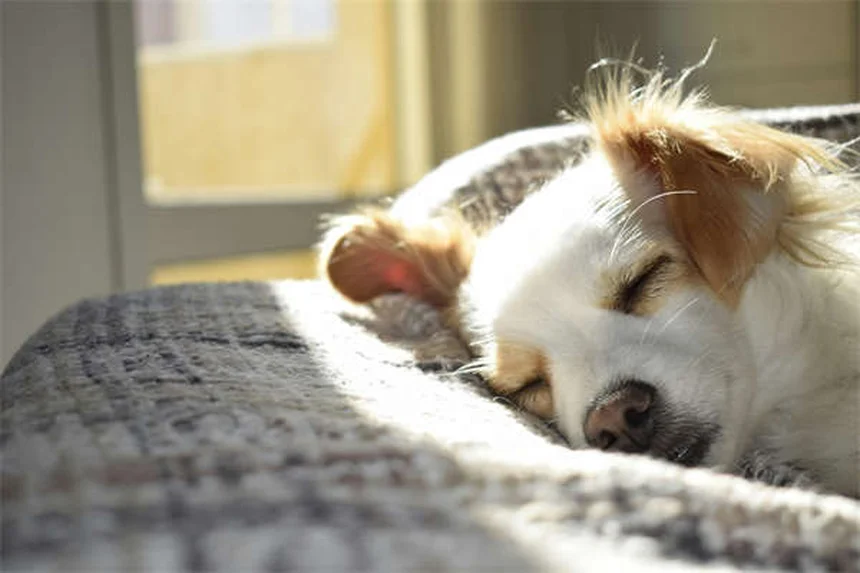 Photos provided by pixabay
2. The Ultimate Compliment: They Trust You
When your cat loafs near you, they're giving you the highest praise. This vulnerable position shows they feel 100% safe in your presence.
Ever notice how they choose spots right next to you? That's no accident. Whether it's at your feet while you work or curled up beside you on the couch, these deliberate choices scream "I love and trust you!"
3. Keeping Those Toebeans Warm
Why do cats loaf when it's chilly? Let's look at the science:
| Body Part | Fat Coverage | Vulnerability to Cold |
|---|---|---|
| Paws/Legs | Very little | High |
| Torso | Moderate | Medium |
Dr. Beaver explains: "Just like our fingers and toes get cold first, a cat's paws lose heat quickly. Tucking them under their body is like putting hands in pockets - it's all about warmth conservation."
4. Ready for Action (Just in Case)
Did you know loafing can actually be a defensive position? It might look relaxed, but it's actually perfect for quick movement if needed.
Dr. Sung points out: "Unlike lying completely on their side, the loaf position lets cats spring into action instantly." This explains why you might see your cat loafing at the vet - they're resting but ready to bolt if necessary!
 Photos provided by pixabay
2. The Ultimate Compliment: They Trust You
Here's an important question: How can you tell if loafing means sickness? The answer lies in subtle changes.
Watch for these red flags:- Face planted downward- Hunched rather than rounded posture- Unusually long loafing sessions- Reduced response to your touch or voice
Dr. Beaver adds other warning signs:- Personality changes- New aggression- Excessive sleeping- Avoiding jumps or stairs- Litter box accidents
Your Burning Cat Loaf Questions Answered
Is My Loafing Cat Actually Happy?
Most of the time, yes! But like that one weird slice in every loaf, sometimes it's different. If your cat seems extra hunched or stays loafed for hours, it might be time for a vet visit.
Why Does My Cat Loaf and Stare?
This is kitty multitasking at its finest! They're relaxed but still engaged with you. Dr. Sung says it could mean:- "Pet me please!"- "Where's my snack?"- Or simply "I just enjoy being near you"
Advanced Loafing: Understanding Your Cat's Body Language
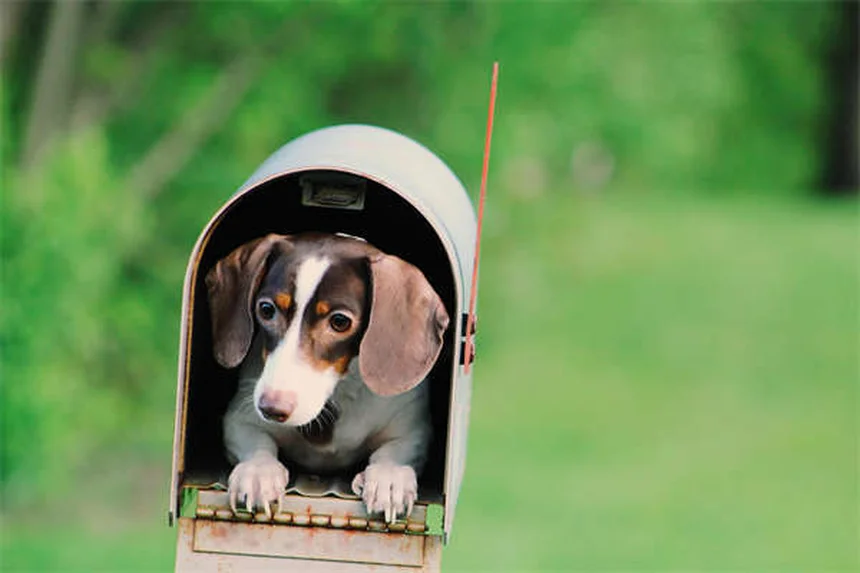 Photos provided by pixabay
2. The Ultimate Compliment: They Trust You
Not all loaves are created equal. Here's how to tell them apart:
The Comfort Loaf:- Eyes half-closed or blinking slowly- Body fully relaxed- Might purr if you pet them- Often in warm, familiar spots
The Alert Loaf:- Eyes wide open- Ears slightly forward- Body slightly tense- Common in new environments
Creating the Perfect Loafing Environment
Want to encourage happy loafing? Try these tips:1. Provide warm, soft surfaces (ever notice how cats love fresh laundry?)2. Keep their favorite spots near family activity3. Maintain a comfortable room temperature4. Offer elevated perches with good visibility
The Science Behind the Loaf
Evolutionary Advantages
Why did this behavior develop? Researchers believe:- Energy conservation while staying ready to move- Protection of vital organs- Temperature regulation- Social bonding signal
Loafing Through the Ages
Ancient Egyptian art shows cats in loaf-like positions, proving this isn't some modern Instagram trend. Our feline friends have been perfecting their bread impressions for millennia!
When to Worry About Your Loaf
Here's another key question: When does loafing become concerning? The tipping point is changes from your cat's normal behavior.
For example:- A usually active cat suddenly loafing all day- Loafing in unusual places (like cold floors)- Combining loafing with other odd behaviors
Celebrating the Simple Joy of Cat Loafing
At the end of the day, cat loafing is one of those simple pleasures that makes life with felines so special. Whether they're keeping warm, showing trust, or just being adorable, that little bread-shaped pose is a daily reminder of why we love cats.
Next time you see your cat loafing, take a moment to appreciate this perfect blend of comfort, instinct, and cuteness. And maybe snap a photo - because let's be honest, cat loaves are basically nature's perfect Instagram content!
The Secret Language of Cat Loafing Positions
Decoding the Direction of the Loaf
Did you know the way your cat faces while loafing tells a story? When they face toward you, it's like getting a warm hug without the arms. They're saying "I want to be part of whatever you're doing".
But when they face away? Don't take it personally! Cats often position themselves based on environmental factors. Maybe they're guarding the door, or perhaps that spot gets the best sunlight. Their back turned actually means they trust you enough not to watch you constantly. It's the feline equivalent of turning your back to a trusted friend at a party.
The Temperature Tells
Ever notice how your cat's loaf changes with the weather? Here's a fun comparison:
| Temperature | Loaf Style | Paw Visibility |
|---|---|---|
| Cold | Tight loaf (all paws hidden) | 0% visible |
| Comfortable | Relaxed loaf | 25% visible |
| Warm | Sprawled loaf | 75% visible |
My neighbor's cat, Mr. Whiskers, practically becomes a pancake in summer! His front paws stretch out like he's trying to cool down a pizza. This isn't just cute - it's brilliant temperature regulation.
The Social Dynamics of Loafing
Multi-Cat Loafing Situations
When you have multiple cats, loafing becomes a whole social event. The dominant cat often gets the prime loafing spot - usually the highest perch or warmest surface.
I've watched my two cats negotiate loafing rights for years. Mittens, the alpha, always claims the sunny windowsill. Pumpkin, the more submissive one, waits until Mittens leaves before taking the spot. But here's the funny part - when they loaf together, they maintain about a cat-length distance. It's like an unspoken "personal space" rule!
Human-Cat Loafing Bonds
Why do cats often loaf near their humans? Think about it - when was the last time you saw a stray cat loafing in an alley? Domestic cats loaf more because they feel secure.
Your lap becomes the ultimate loafing destination because it combines warmth, your scent, and potential pets. My cat starts kneading before she even fully settles into her loaf position on my legs. It's like she's preparing the dough before baking!
Loafing Through the Life Stages
Kitten Loafing vs. Senior Loafing
Kittens are like underbaked loaves - they haven't quite mastered the tuck. You'll often see their tails sticking out or paws peeking. Their attempts are adorable but imperfect.
Senior cats? They're artisan bakers. Their loaves are perfectly formed, and they can hold the position for hours. My 15-year-old tabby could win Olympic gold in loafing endurance! But here's something important - older cats might loaf more due to arthritis. If your senior cat starts loafing in new places (like the floor instead of their favorite chair), it might be time for a vet check.
The Prime Loafing Years
Between ages 2-7, cats hit their loafing prime. They've mastered the technique but still have the flexibility to spring into action. This is when you'll see the most photogenic loaves.
During these years, cats often develop signature loafing spots. Maybe it's that one particular sun patch that moves across your living room floor throughout the day. My cat follows that sunlight like it's her job, adjusting her loaf position every 30 minutes!
Cultural Perspectives on Cat Loafing
Loafing in Different Countries
Did you know Japanese culture has a special term for cat loafing? They call it "neko pan" (cat bread). This shows how universally charming the behavior is across cultures.
In Turkey, street cats often loaf in shop doorways. Shopkeepers welcome this because it brings good luck! Meanwhile, in Russia, there's a superstition that a loafing cat with hidden paws means cold weather is coming. Who knew cat loafing could be a weather predictor?
Artistic Representations Through History
From ancient Egyptian hieroglyphs to modern memes, the cat loaf has always fascinated humans. 18th century Japanese woodblock prints often featured loafing cats in domestic scenes.
The famous artist Hokusai included a perfect loafing cat in his "Mannen Bridge" series. Even back then, people recognized the peaceful beauty of a contented cat in full loaf mode. Makes you wonder - did ancient Egyptians call their cats "little bread statues" too?
Enhancing Your Cat's Loafing Experience
Creating the Perfect Loafing Zone
Want to be the ultimate cat butler? Here are some pro tips:- Place a folded blanket in their favorite sunny spot- Keep window perches clean and accessible- Rotate warm bedding seasonally (fleece for winter, cotton for summer)- Provide options at different heights (cats love surveying their kingdom)
I recently added a heated pad to my cat's favorite loafing spot, and you'd think I gave her a five-star hotel! The purring hasn't stopped for weeks. Just remember - the best spots combine warmth, safety, and a good view.
Respecting the Loaf
Here's something we all need to remember: when a cat is in perfect loaf position, that's their "do not disturb" mode. Resist the urge to pet them unless they signal it's okay.
Look for these invitations:- Slow blinking- Head lifting toward your hand- Gentle tail flicks- Purring when you approach
My biggest loafing lesson? Sometimes love means letting your cat bake in peace. Though I'll admit - it's really hard not to poke that cute little bread butt!
E.g. :Why does he sit like this? : r/cats
FAQs
Q: Is cat loafing always a sign of happiness?
A: While cat loafing usually indicates contentment, it's not always about happiness. We've found that about 80% of the time, a loafing cat is relaxed and comfortable. However, if you notice your cat pressing their face down or maintaining a hunched position while loafing, they might not be feeling well. As veterinary behaviorist Dr. Wailani Sung explains, "Cats who are ill may loaf more frequently or appear less responsive when in this position." Always pay attention to other signs like changes in appetite or litter box habits to determine if your loafing cat needs medical attention.
Q: Why does my cat loaf near me but not other people?
A: When your cat chooses to loaf near you specifically, they're giving you the ultimate compliment! We've observed that cats reserve this vulnerable position for people they completely trust. It's their way of saying, "I feel 100% safe with you." According to Dr. Bonnie Beaver from Texas A&M University, this selective loafing behavior demonstrates the strong bond between you and your feline friend. The closer they loaf to you, the deeper that bond likely is - consider it a furry vote of confidence in your relationship!
Q: Should I be concerned if my cat never loafs?
A: Not necessarily! While we love seeing those perfect cat loaves, some felines simply prefer other positions. Dr. Beaver's research shows that more anxious or active cats tend to loaf less frequently than their laid-back counterparts. Think of it like human personalities - some people love lounging on the couch while others can't sit still. The key is knowing your cat's normal behavior patterns. If your typically loaf-happy cat suddenly stops, that might warrant a vet visit, but some cats just aren't natural loafers.
Q: How can I tell if my cat is loafing for warmth or comfort?
A: We've developed some easy ways to distinguish between warmth-seeking and comfort loafing. When cats loaf to stay warm, they'll often choose cooler surfaces like tile floors and may shiver slightly. Comfort loafers typically seek out warm spots like sunny windowsills or your lap. You can test this by offering a heated cat bed - if they immediately loaf there, temperature was likely a factor. Remember what Dr. Beaver told us: "Cats' paws lose heat quickly, so tucking them in is like us putting hands in pockets."
Q: Why does my older cat loaf more than when they were younger?
A: We've noticed this common pattern in senior cats too! There are several good reasons for increased loafing with age. First, older cats tend to feel the cold more, so they conserve heat by tucking in those paws. Second, arthritis might make stretching out less comfortable. Third, they've simply earned the right to relax more! However, as we always advise, any sudden change in loafing habits - especially combined with reduced activity - should prompt a veterinary checkup to rule out potential health issues.