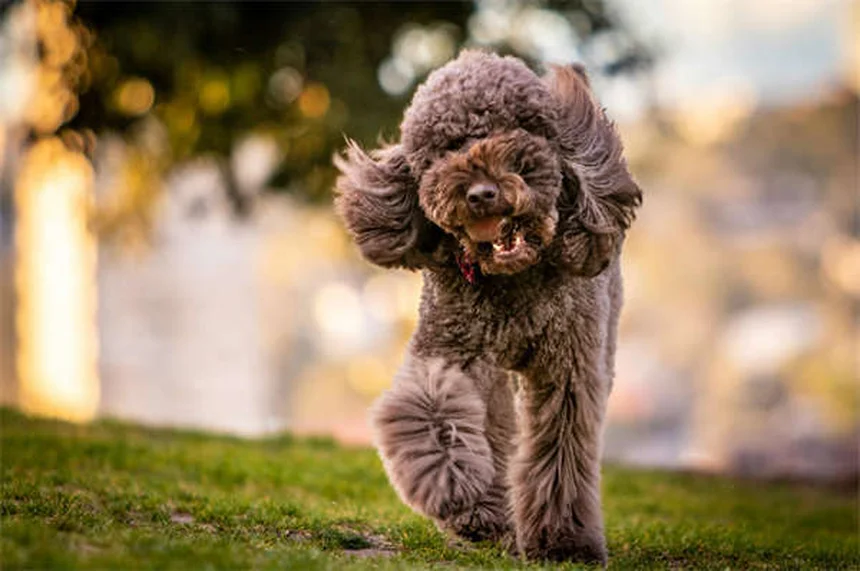
Do dogs really smile? The answer is: Yes, but not exactly like humans do! When your pup pants with their tongue out or gives you that adorable relaxed face, they're expressing happiness in their own doggy way. Scientists believe this behavior evolved because dogs are masters at reading human emotions - they know exactly how to make us happy!I've spent years observing my own dog's smiles and can tell you they're absolutely real expressions of joy. While it might not be identical to human smiling, that goofy grin your dog gives you when you come home? That's their version of I'm so happy to see you! And here's the cool part - when we smile back, it creates a positive feedback loop that strengthens our bond.
E.g. :Pet Euthanasia Guilt: How to Cope When You're Second-Guessing Your Decision
- 1、Can Dogs Really Smile? Let's Break It Down
- 2、Dog-to-Dog Communication: More Than Just Faces
- 3、The Human-Dog Smile Connection
- 4、Reading Your Dog's Happiness Signals
- 5、Creating More Smile Moments
- 6、The Surprising Science Behind Dog Emotions
- 7、Decoding Different Dog "Dialects"
- 8、Training With Smiles: The Positive Reinforcement Loop
- 9、Beyond Domestic Dogs: Wild Canine Expressions
- 10、Your Dog's Smile Through the Ages
- 11、FAQs
Can Dogs Really Smile? Let's Break It Down
What Science Says About Dog Smiles
You know that face your dog makes when they're panting with their tongue hanging out? That's their version of a smile! While behaviorists don't consider it exactly like human smiling, those happy expressions definitely mean something.
Here's the fascinating part: dogs have become experts at reading human emotions over thousands of years of domestication. When they "smile" and we respond positively (with pets, treats, or happy voices), they learn to do it more. It's like a feedback loop of happiness between you and your pup!
The Evolution Behind Those Grins
Ever wonder why dogs act like puppies their whole lives? It's called neoteny, and it explains so much about their behavior:
| Puppy Behavior | Adult Dog Equivalent |
|---|---|
| Excited jumping | Happy greetings when you come home |
| Playful nipping | Gentle mouthing during play |
| Puppy "smiles" | Those adorable relaxed faces |
This retention of youthful traits makes dogs better companions - and explains why their smiles melt our hearts so completely.
Dog-to-Dog Communication: More Than Just Faces
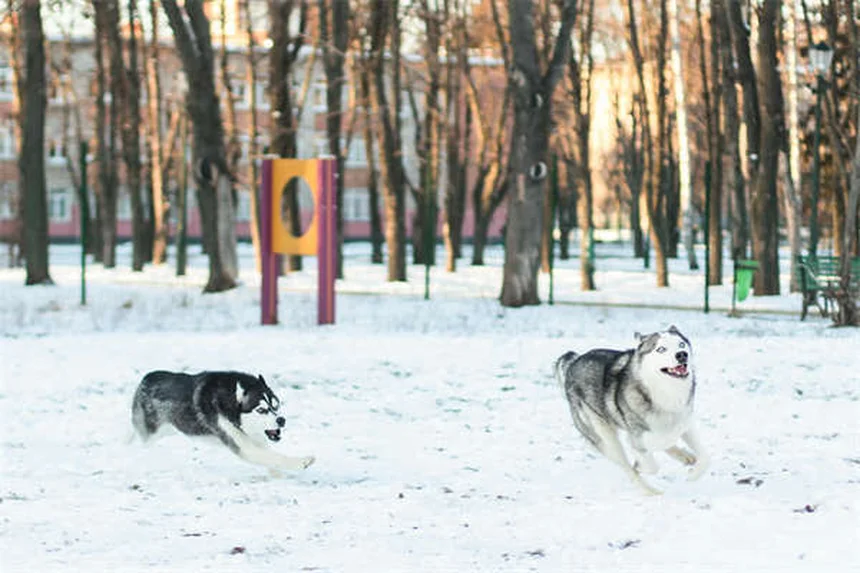 Photos provided by pixabay
Full Body Conversations
When dogs "smile" at each other, it's part of a whole body language system. Think of it like texting versus having a face-to-face conversation - there's so much more information being exchanged!
Here's what your dog might be saying with their whole body:
- Play bow = "Let's be friends!"
- Tail wagging = "I'm happy to see you"
- Ears back = "I mean no harm"
The Truth About "Guilty" Looks
You've seen those viral videos where dogs look "guilty" after doing something wrong, right? Here's the surprising truth: that submissive grin isn't actually guilt - it's their way of saying "Please don't be mad!"
Next time your dog gives you that face after chewing your shoe, remember: they're not admitting wrongdoing, they're responding to your upset tone and body language. Smart pups!
The Human-Dog Smile Connection
Do Dogs Copy Our Smiles?
Here's a fun question: Does your dog smile back when you grin at them? The answer is more fascinating than you might think!
While dogs don't exactly mimic our smiles, they absolutely respond to our happy expressions. It's like when one person starts laughing and soon everyone's giggling - happiness is contagious across species!
I've noticed with my own dog that when I come home smiling, he gets extra wiggly and does that adorable relaxed-face pant. Your experience probably matches this - our joy becomes their joy.
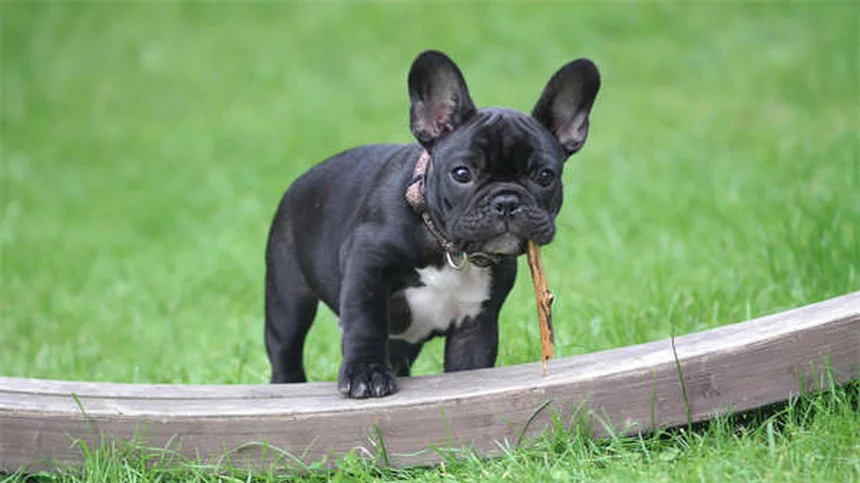 Photos provided by pixabay
Full Body Conversations
Think about it from your dog's perspective: when you smile, good things usually happen! Maybe it's playtime, treats, or just happy cuddles. Of course they learn to associate our smiles with positive outcomes.
Here's something amazing: studies show that when dogs and humans gaze into each other's eyes, both experience an oxytocin boost - the same "love hormone" that bonds mothers with babies. Those shared smiles create real biochemical connections!
Reading Your Dog's Happiness Signals
Beyond the Smile: Other Joyful Signs
Not all dogs are big smilers, so how can you tell if your pup is happy? Look for these telltale signs:
The Happy Dog Checklist:- Relaxed, wiggly body- Soft, "smiling" eyes- Loose, wagging tail- Playful bouncing or zoomies
Remember my neighbor's bulldog who rarely "smiles" but does full-body wiggles when happy? Every dog has their own happiness language - you just need to learn your pup's dialect!
When Smiles Aren't Happy
Here's an important warning: not all toothy displays are friendly. How can you tell the difference between a happy grin and a warning?
Happy "smile":- Loose, wiggly body- Relaxed eyes- Possibly panting
Warning signal:- Stiff body- Intense stare- Ears forward- Possible growling
When in doubt, look at the whole picture - context is everything in dog communication!
Creating More Smile Moments
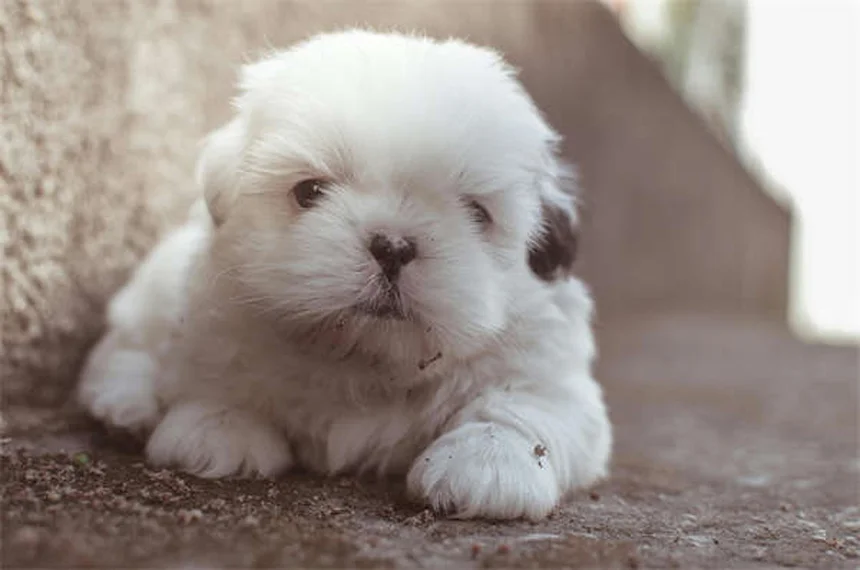 Photos provided by pixabay
Full Body Conversations
Want to see more of those heart-melting doggy smiles? Here are my top tips based on years of dog ownership:
1. Make eye contact and smile often - they really do respond!2. Keep training sessions fun and reward-based3. Schedule regular play sessions4. Notice and respond to your dog's happy signals
Just last week, I started a new routine of smiling at my dog first thing in the morning - and now he greets me with his version of a grin every day! Small changes can make a big difference.
The Science of Shared Happiness
Did you know that dogs are one of the only species that seeks out eye contact with humans? This unique trait developed over our 15,000+ year relationship, creating this incredible ability to share emotions through facial expressions.
When you smile at your dog and they "smile" back, you're participating in an ancient cross-species communication system. How cool is that? Those shared grins represent one of nature's most beautiful interspecies bonds.
So the next time your dog gives you that goofy, tongue-lolling grin, know that it's their way of saying "I love you too!" - in the only language that transcends species barriers.
The Surprising Science Behind Dog Emotions
How Dogs Process Happiness Differently Than Humans
You might think your dog's smile means exactly what your smile means, but their emotional processing works differently. While we experience happiness as a complex emotion, dogs operate more on immediate positive reinforcement.
Here's an eye-opener: When researchers scanned dog brains using MRI technology, they discovered that the canine reward center lights up for food about as much as it does for praise. This explains why your pup gets equally excited for dinner time and belly rubs!
The Chemical Cocktail of Canine Joy
Ever notice how your dog seems to get happier the more you interact? There's actual biochemistry behind this:
| Chemical | Effect on Dogs | Human Equivalent |
|---|---|---|
| Oxytocin | Bonding hormone released during cuddles | Same as when parents hug children |
| Dopamine | Anticipation of rewards like treats | Excited for your morning coffee |
| Serotonin | Calm contentment after exercise | Post-workout relaxation |
This chemical similarity explains why dogs and humans sync up emotionally so well - we're literally wired for mutual happiness!
Decoding Different Dog "Dialects"
Breed-Specific Smile Styles
Not all dogs smile the same way - different breeds have developed unique expressions. My neighbor's Siberian Husky, for example, gives what we call the "dramatic smile" with extra teeth showing, while Golden Retrievers tend toward the classic tongue-lolling grin.
Why does this matter? If you've ever thought your dog doesn't smile much, you might just be missing their breed's particular style. Greyhounds often show happiness through relaxed ears and soft eyes rather than obvious grins.
The Shelter Dog Smile Transformation
Here's something that always gives me goosebumps: watching rescue dogs learn to smile again. Many arrive at shelters with what we call "shut down" expressions - tight lips, averted gaze. But give them love and security, and within weeks...
Their faces literally transform! I've volunteered at shelters for years, and nothing beats seeing a formerly timid dog finally relax into that open-mouthed, tongue-lolling smile that says "I feel safe now." It's proof that dog smiles aren't just instinct - they're earned through trust.
Training With Smiles: The Positive Reinforcement Loop
Why Your Smile Is the Best Reward
You know how trainers say positive reinforcement works better than punishment? Well, your smile might be the ultimate positive reinforcer. Think about it - when you grin at your dog for sitting nicely, you're giving them three rewards at once:
1. Your happy facial expression (which they've evolved to understand)2. The tone of your voice (higher pitch = positive in dog language)3. The attention itself (social creatures crave interaction)
No wonder dogs work so hard to earn our smiles - it's like hitting the jackpot of positive feedback!
The Mirror Effect: Do We Copy Dog Smiles Too?
Here's a funny thought: while we're busy wondering if dogs copy our smiles, have you noticed how often we unconsciously mirror their happy expressions? Next time you're playing with your pup, pay attention to your own face.
I caught myself doing this just yesterday - my dog started his goofy play-grin, and before I knew it, I was making an equally ridiculous happy face back at him. This instinctive mirroring might explain why dog owners tend to be happier people overall!
Beyond Domestic Dogs: Wild Canine Expressions
Do Wolves Smile Like Dogs?
This question fascinates me: if dog smiles developed through domestication, what about their wild cousins? Turns out wolves do have similar facial expressions, but with crucial differences.
Wolf "smiles" tend to be more subtle - quick lip licks or relaxed jaws rather than the full-on panting grins dogs give us. This makes sense when you consider that domestic dogs evolved to communicate across species, while wolves only need to signal to their own kind.
The Fox Domestication Experiment Revelations
In Siberia, there's been a 60-year experiment domesticating silver foxes that's taught us tons about dog smiles. The friendliest foxes - bred generation after generation for tameness - started developing dog-like traits including...
That's right - they began "smiling" at their human caretakers! Their tails wagged, they licked faces, and they made eye contact just like dogs. This proves that those happy expressions aren't just for dogs - they're part of the domestication package for any species that bonds with humans.
Your Dog's Smile Through the Ages
Puppy Smiles vs Senior Dog Smiles
If you've raised a dog from puppyhood to their golden years, you've witnessed the evolution of their smile. Puppies often smile with their whole bodies - wiggling, jumping, licking. But older dogs?
They develop more refined expressions. My 12-year-old Labrador now gives what I call the "dignified smile" - just a slight pant, soft eyes, and maybe one thump of his tail. It's quieter but no less meaningful. In fact, there's something incredibly touching about an older dog's smile - it represents a lifetime of shared joy.
Medical Conditions That Affect Dog Smiles
Here's something important many owners don't realize: changes in your dog's smiling patterns can signal health issues. Dental problems might make them reluctant to open their mouth wide. Arthritis could reduce their happy wiggles.
That's why I always tell friends to photograph their dog's normal happy expressions. Having that baseline makes it easier to spot when something's off. After all, protecting those precious smiles means keeping our pups healthy and comfortable!
E.g. :When we think dogs are smiling at us, what are they really doing? : r ...
FAQs
Q: Do dogs smile at other dogs?
A: Dogs absolutely communicate with each other through facial expressions and body language, though it's more complex than just smiling. When my dog meets a new canine friend, I notice he uses his whole body to communicate - from play bows to tail wags. While they don't "smile" exactly like humans do, relaxed open-mouth expressions between dogs often signal friendliness. The key is watching their entire body language - ears, tail, and posture tell the full story of what they're feeling.
Q: Can dogs mimic human smiles?
A: Dogs don't exactly copy our smiles, but they definitely respond to them! Here's what's fascinating: when you smile at your dog, it triggers their own happy response, similar to how laughter can be contagious among people. I've tested this with my own pup - when I make eye contact and smile, he gets extra wiggly and does that adorable panting "grin." It's not mimicry, but rather an emotional connection where your happiness becomes their happiness.
Q: Why do dogs smile when they feel guilty?
A: That "guilty look" with teeth showing isn't actually about guilt - it's a submissive grin! When my dog gives me this expression after getting into the trash, he's not admitting wrongdoing but responding to my tone of voice. Dogs use these submissive signals to calm situations and say "I mean no harm." It's amazing how attuned they are to our emotions - they know when we're upset and try to defuse tension with these appeasement gestures.
Q: How can I tell if my dog is happy if they don't smile?
A: Every dog has their own happiness language! My neighbor's bulldog rarely "smiles" but does full-body wiggles when excited. Look for these signs of joy: relaxed body posture, soft eyes, loose wagging tail, and playful behavior. Some dogs show happiness through zoomies, while others might bring you toys. The key is learning your individual dog's unique way of expressing contentment - it's like learning a special dialect of doggy happiness!
Q: Do dogs like when people smile at them?
A: Dogs absolutely love human smiles - and there's science behind it! When you smile at your dog, both of you get an oxytocin boost (the same "love hormone" that bonds mothers with babies). I've noticed my dog seeks out my smiling face, especially when we're playing or cuddling. They associate our smiles with positive outcomes like treats, pets, and happy voices. It's one of the most beautiful parts of our relationship with dogs - we can literally share happiness across species!