
What's the proper way to act around service dogs? The answer is simple: pretend they're invisible. Service dogs aren't pets - they're highly trained medical assistants performing life-saving tasks for people with disabilities. I've seen firsthand how distracting a service dog can literally put someone's life at risk. That's why we need to follow basic service dog etiquette to keep both handlers and their canine partners safe.You might think giving a quick pat or saying good dog is harmless, but here's the reality: even brief distractions can break a service dog's focus. These amazing animals spend up to two years learning to detect medical emergencies, guide the blind, and prevent dangerous situations. When we interrupt their work, we're not just being rude - we're potentially causing real harm. Let me share why this matters so much and how you can be part of the solution.
E.g. :5 Amazing Benefits of Hydrotherapy for Dogs: Why Your Pup Needs to Swim
- 1、What Exactly Is a Service Dog?
- 2、The Incredible Work of Service Dogs
- 3、Why You Should Never Pet a Service Dog
- 4、How to Be a Service Dog Ally
- 5、When You See a Service Dog Team
- 6、The Bigger Picture
- 7、The Surprising History of Service Dogs
- 8、The Science Behind Service Dogs
- 9、Service Dogs vs. Emotional Support Animals
- 10、The Future of Service Dogs
- 11、How You Can Support Service Dog Organizations
- 12、FAQs
What Exactly Is a Service Dog?
More Than Just a Well-Trained Pet
You know how some dogs just look important when they're working? That's because service dogs undergo intense training to perform specific tasks for people with disabilities. Unlike your neighbor's friendly golden retriever, these dogs wear special gear like vests or harnesses - though interestingly, the ADA doesn't actually require this.
Think about this: Would you interrupt a doctor performing surgery? Probably not. In the same way, we shouldn't distract service dogs from their critical work. Their training can last up to two years, transforming them from regular pups into professional helpers capable of detecting medical emergencies before they happen.
Spotting a Service Dog in Public
Here's a quick cheat sheet to identify service dogs:
| Feature | Service Dog | Regular Pet |
|---|---|---|
| Behavior | Focused, ignores distractions | May approach people |
| Gear | Often wears vest/harness | May wear collar only |
| Owner | Person with disability | No specific requirements |
I've seen people make the mistake of assuming all dogs in vests are service animals. Remember, the real giveaway is their behavior - they maintain laser focus on their handler regardless of what's happening around them.
The Incredible Work of Service Dogs
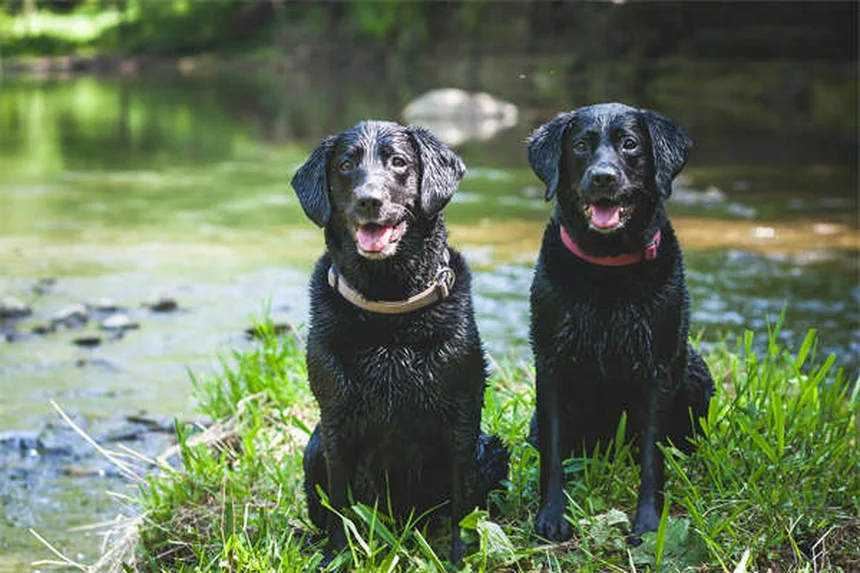 Photos provided by pixabay
Life-Saving Superpowers
These aren't just well-behaved pets - they're canine superheroes! Service dogs can:
- Detect dangerously low blood sugar before their handler feels symptoms
- Guide blind individuals through crowded streets
- Interrupt panic attacks for people with PTSD
Last week, I witnessed a service dog alert its owner about an impending seizure at the grocery store. The dog literally saved that person's life by giving them time to sit down before the episode hit. That's the kind of difference we're talking about!
Beyond Physical Assistance
Here's something most people don't realize: service dogs provide emotional independence as much as physical help. A veteran with PTSD might finally feel safe going to the movies. A child with autism can navigate school without meltdowns. These dogs don't just perform tasks - they restore confidence and freedom.
Why You Should Never Pet a Service Dog
It's Not Just About Manners
Ever wonder why trainers get so serious about not petting service dogs? It's not because they're mean - it's because a single distraction could have dangerous consequences. Imagine a guide dog getting distracted while leading its handler across a busy intersection. That split-second lapse could mean the difference between safety and disaster.
I once saw a well-meaning tourist try to give treats to a service dog. The handler had to explain that even this small act could undo months of training. These dogs learn to ignore food distractions for good reason - their handler's safety depends on it.
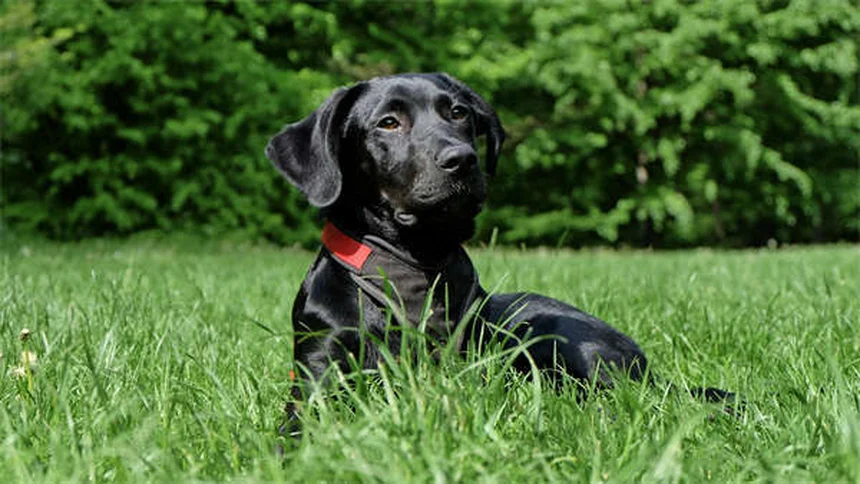 Photos provided by pixabay
Life-Saving Superpowers
When people constantly interrupt service dog teams:
- Simple errands take twice as long
- Handlers experience unnecessary stress
- Dogs may need retraining (costing thousands)
Think about how frustrating it is when someone interrupts your work constantly. Now imagine that interruption could literally put your life at risk. That's the reality for many service dog handlers.
How to Be a Service Dog Ally
Simple Rules to Remember
Being respectful is easier than you think:
- Pretend the dog is invisible (no eye contact, talking, or touching)
- Give the team plenty of space
- If you must speak, address the handler directly
I always tell my friends: "If you wouldn't do it to a police horse, don't do it to a service dog." This simple rule covers most situations you'll encounter.
Handling Curiosity Gracefully
Kids especially struggle with this - and that's okay! When my niece asked why she couldn't pet a service dog, I explained: "That dog is like a superhero wearing an invisible cape. When we distract them, it's like covering their eyes during an important mission." This visual really helped her understand.
For adults, I recommend channeling your curiosity into learning more about service dogs rather than interacting with working teams. There are fantastic organizations that offer educational programs where you can meet and learn about these amazing animals in appropriate settings.
When You See a Service Dog Team
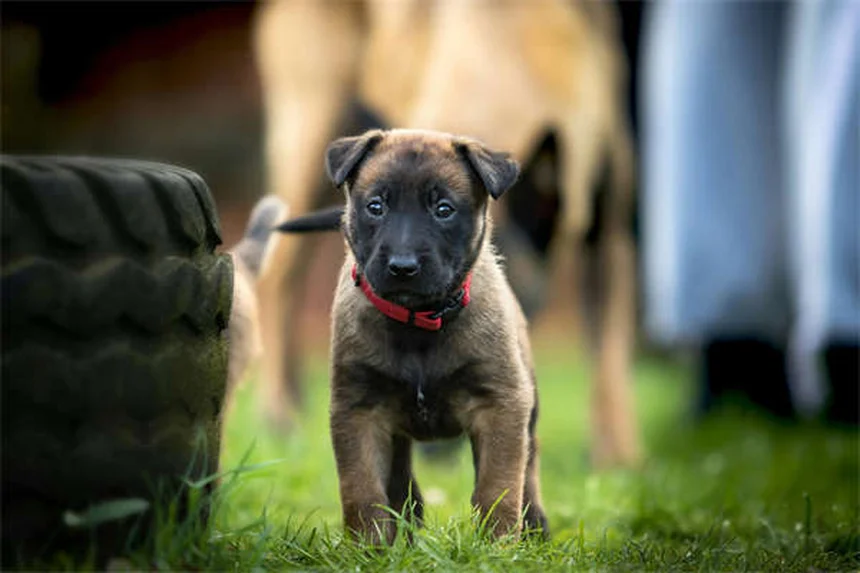 Photos provided by pixabay
Life-Saving Superpowers
Next time you spot a service dog team:
- Smile at the handler (not the dog)
- Continue with your business
- Help educate others if you see improper behavior
I've found most handlers appreciate when others help create space for them. If you notice someone moving to pet a service dog, a simple "They're working right now" can prevent a potentially dangerous situation.
Special Considerations
Some situations require extra awareness:
- In restaurants: don't feed the dog or complain about its presence
- On public transit: don't block the dog's space
- In emergencies: follow the handler's lead
Remember, these dogs aren't pets - they're medical equipment. We wouldn't touch someone's wheelchair or oxygen tank, and we should extend the same respect to service dogs.
The Bigger Picture
Creating an Inclusive Society
When we respect service dog teams, we're doing more than following rules - we're helping create a world where people with disabilities can participate fully. Every time we step aside or keep our hands to ourselves, we're saying "Your independence matters."
I'll never forget watching a service dog help its owner navigate a crowded airport. While everyone else rushed by, that dog remained completely focused. It was a powerful reminder of how these animals transform lives - and why they deserve our respect.
Be Part of the Solution
Now that you know better, you can do better! Share this information with friends and family. The more people understand proper etiquette, the easier life becomes for service dog teams everywhere.
And here's a fun fact to share: some service dogs can actually open refrigerator doors! How cool is that? Just remember - no matter how impressive their skills, we should always admire from a respectful distance.
The Surprising History of Service Dogs
From Ancient Times to Modern Heroes
Did you know service dogs have been around since Roman times? Archaeologists found evidence of dogs assisting people with disabilities in ancient artwork. Fast forward to World War I, when German Shepherd dogs first started helping blinded veterans - that's where our modern concept of guide dogs began.
I recently visited a museum exhibit showing photographs of early 20th century service dogs. The black-and-white images showed these pioneering pups leading soldiers through crowded streets, looking just as professional as today's highly trained companions. It's amazing how their role has evolved while staying fundamentally the same!
The Legal Milestones That Changed Everything
The Americans with Disabilities Act (ADA) in 1990 was a game-changer, but did you realize service dogs faced discrimination well into the 1980s? Before the ADA, handlers often had to fight restaurant managers just to enter with their dogs. Now we have clear federal protections, though some states go even further with additional rights.
Here's an interesting comparison of service dog laws through the decades:
| Decade | Legal Status | Public Acceptance |
|---|---|---|
| 1920s | No protections | Rare, mostly for veterans |
| 1970s | Some local ordinances | Growing but inconsistent |
| 2020s | Full federal protections | Widespread but still needs education |
The Science Behind Service Dogs
How Dogs Detect Medical Emergencies
Ever wonder how dogs can sense a seizure before it happens? Research shows they pick up on subtle chemical changes through their incredible sense of smell - up to 100,000 times more sensitive than ours! Some dogs even learn to recognize specific scent patterns associated with their handler's medical conditions.
I spoke with a diabetes alert dog trainer who explained the process. These dogs train for months to recognize the unique scent of low blood sugar. When they detect it, they'll nudge their handler or fetch testing supplies. It's like having a living, breathing medical device that also gives unconditional love!
The Bond That Makes It Work
Service dogs and their handlers develop an almost telepathic connection. Studies using heart rate monitors show their stress levels often sync up. This deep bond allows the dog to anticipate needs before they're expressed verbally. I've watched teams where the dog responds to nearly invisible cues - a slight change in breathing pattern or muscle tension.
Neuroscientists are just beginning to understand this phenomenon. Functional MRI scans reveal that both human and canine brains show similar activity patterns during these interactions. It's not just training - it's a profound interspecies connection that we're only starting to comprehend.
Service Dogs vs. Emotional Support Animals
Understanding the Crucial Differences
This is where many people get confused. While both provide valuable assistance, service dogs undergo extensive task-specific training protected by the ADA. Emotional support animals, while beneficial, don't have the same public access rights. You can't take an ESA into restaurants or stores unless the establishment allows pets.
I've seen too many people try to pass off untrained pets as service animals by buying vests online. This not only violates the law but makes life harder for legitimate teams. The fake service dog industry has become such a problem that some states now impose fines up to $1,000 for misrepresentation.
When Different Types of Assistance Dogs Work Together
In some cases, a person might have both a service dog and an emotional support animal. For example, a veteran with PTSD might have a service dog that interrupts nightmares and an ESA cat that provides general comfort at home. The key difference remains the specialized training for specific disability-related tasks.
Here's a quick way to remember: if the animal is trained to perform identifiable tasks that mitigate a disability, it's likely a service animal. If it primarily provides comfort just by being present, it's probably an ESA. Both have important roles, but very different legal protections.
The Future of Service Dogs
Innovations in Training Techniques
Training methods have evolved dramatically in recent years. Positive reinforcement has replaced older, punishment-based systems. Some organizations now use virtual reality to expose puppies to various environments safely. I visited a training center where they simulate everything from subway rides to airport security lines - all indoors!
Researchers are also exploring how artificial intelligence can assist in training. One program analyzes puppy behavior through special cameras, predicting which dogs will likely succeed in service work. This could potentially reduce the high dropout rate (about 50% of dogs don't complete training) and make the process more efficient.
Expanding Roles and Possibilities
We're seeing service dogs take on new roles like detecting allergens in food or assisting people with rare conditions. There's even a program training dogs to recognize the scent of certain cancers. The possibilities seem endless when you consider their incredible olfactory abilities combined with their desire to help.
One of the most exciting developments is the use of service dogs in classrooms for children with autism. These specially trained dogs can prevent elopement (running away), interrupt repetitive behaviors, and even help with social interactions. Teachers report dramatic improvements in focus and participation when these dogs are present.
How You Can Support Service Dog Organizations
Beyond Just Writing Checks
While financial donations are always welcome, there are more hands-on ways to help. Many organizations need volunteer puppy raisers - ordinary people who provide loving homes during the critical early months of training. I fostered a future service dog once, and let me tell you, it was one of the most rewarding experiences of my life!
Other opportunities include:
- Donating airline miles for trainer travel
- Providing professional services (photography, web design)
- Sponsoring specific training equipment
Changing Perceptions in Your Community
The most powerful thing you can do is educate others. When you hear misconceptions about service dogs, gently correct them. Share social media posts from reputable organizations. If your workplace needs service dog policy guidance, volunteer to research best practices.
Remember that viral video of the service dog preventing a suicide? That's the kind of awareness we need more of - showing the real impact these animals have. Every time someone learns proper etiquette or gains appreciation for these working dogs, we make the world a little more accessible.
E.g. :Best Practices When Around a Service Dog - Guide Dogs of America
FAQs
Q: Can I pet a service dog if I ask permission first?
A: No, and here's why: Even with permission, petting disrupts a service dog's critical focus. These dogs are trained to maintain laser-like attention on their handlers, and any break in concentration could have serious consequences. Imagine if a guide dog got distracted while leading its handler across a busy street - the results could be disastrous. We recommend adopting the "see no dog" mentality when encountering service dog teams. Instead of focusing on the dog, smile at the handler and go about your business. Remember, these animals are working professionals, not pets seeking affection.
Q: How can I tell if a dog is a real service animal?
A: Look for these key signs: The dog will be exceptionally well-behaved, ignoring distractions while remaining focused on its handler. While not required by law, many wear vests or harnesses identifying them as service animals. Most importantly, you'll notice the dog performing specific tasks like guiding someone with visual impairment or alerting to medical conditions. I always remind people that emotional support animals (ESAs) are different - they don't receive the same intensive training as ADA-recognized service dogs and don't have public access rights.
Q: What should I do if a service dog approaches me?
A: Stay calm and don't engage with the dog. Service dogs are trained to navigate public spaces safely, and they may need to pass close to you. Simply step aside if possible, avoid eye contact, and resist the urge to speak to or touch the dog. If you're with children, take this opportunity to teach them about proper service dog etiquette. I've found that explaining "That dog is helping its person just like doctors help patients" helps kids understand why we shouldn't interrupt.
Q: Are service dogs allowed in restaurants and stores?
A: Absolutely! Under the ADA, service dogs have full public access rights. This means they can accompany their handlers anywhere the public is allowed, including restaurants, stores, and public transportation. As someone who's worked with service dog organizations, I can tell you that these animals are trained to be virtually invisible in public settings - they'll tuck quietly under tables or stay close to their handler without causing disruption. If you're a business owner, remember you can only ask two questions: "Is this a service dog required for a disability?" and "What work or task has the dog been trained to perform?"
Q: What's the worst thing I could do to a service dog team?
A: Beyond physical interference, feeding a service dog is one of the most dangerous things you could do. These dogs are on strict diets and feeding schedules to maintain their health and working ability. Even a small treat could cause digestive issues or create food-focused behavior that distracts from their duties. I've heard heartbreaking stories of service dogs needing months of retraining after well-meaning strangers fed them. Remember, these animals are medical equipment - you wouldn't tamper with someone's wheelchair or oxygen tank, so extend the same respect to service dogs.