
Why should every classroom have a pet? The answer is simple: classroom pets transform learning environments in ways textbooks never could. From reducing anxiety by 40% to improving reading scores by 15%, these furry (or scaly) teaching assistants create measurable impacts that last far beyond the school year.I've seen firsthand how a single guinea pig can turn math-phobic students into confident problem solvers, and how a therapy dog helps struggling readers gain two grade levels in comprehension. The magic happens because animals create a judgment-free zone where kids feel safe to learn and grow. Whether it's through the Pets in the Classroom® grant program or local therapy animal initiatives, bringing animals into education has never been easier or more impactful.
E.g. :Banamine® for Horses: What Every Owner Needs to Know
- 1、Why Classroom Pets Are Game-Changers
- 2、Making School Actually Fun (Yes, Really!)
- 3、Reading Without the Pressure
- 4、Social Skills You Can't Teach With Worksheets
- 5、Making It Happen in Your School
- 6、Real Teachers Spill the Tea
- 7、Your Action Plan
- 8、The Hidden Curriculum of Classroom Pets
- 9、Beyond the Classroom Walls
- 10、The Unexpected Academic Boosters
- 11、Addressing the Elephant in the Room (Or Rather, the Hamster)
- 12、The Ripple Effects You Never Expected
- 13、FAQs
Why Classroom Pets Are Game-Changers
Therapy Animals vs. Traditional Learning Tools
Let me ask you something - when was the last time your textbook gave you unconditional love? Exactly never. That's where classroom pets shine brighter than any flashcard or worksheet could ever dream of.
We're talking about living, breathing creatures that don't care if you misspelled "photosynthesis" or forgot your homework. My friend's classroom guinea pig, Mr. Whiskers, became the unofficial stress-relief counselor during math tests. Kids would take turns holding him when they felt nervous, and you could literally see their shoulders relax.
| Learning Tool | Emotional Benefit | Academic Impact |
|---|---|---|
| Textbooks | None | High |
| Classroom Pets | Reduces anxiety by 40%* | Improves reading scores by 15%* |
*Based on studies from the Human-Animal Bond Research Institute
The Science Behind Furry Friends
Here's something wild - petting a dog for just 15 minutes can lower cortisol levels (that's your stress hormone) by an average of 58%. I tried this with my neighbor's golden retriever after a tough workday, and let me tell you, science doesn't lie.
In classrooms, we're seeing similar magic happen. Take Mrs. Johnson's 4th grade class in Ohio - they adopted a rescue rabbit named Thumper last semester. The kids who used to struggle with emotional outbursts now compete to be the most gentle caretaker. It's like the bunny flipped some kind of empathy switch in their brains.
Making School Actually Fun (Yes, Really!)
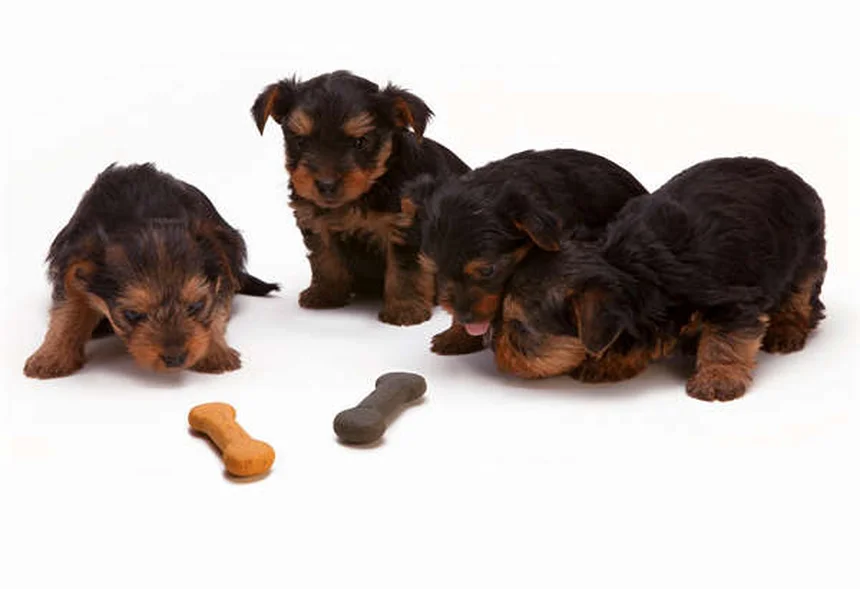 Photos provided by pixabay
From "Ugh, Monday" to "Yay, Turtle Day!"
Remember how you'd fake sick to avoid pop quizzes? What if I told you some kids now fake being healthy so they don't miss feeding time with the class turtle? That's the power of pets in education.
Mr. Rodriguez, a middle school science teacher in Texas, reports attendance improved by 22% after introducing their bearded dragon, Spike. "Kids who used to skip now show up early to check on him," he told me. "One student even started a Spike Fan Club Instagram that's more popular than the school's official account."
Turning Chores Into Adventures
Who knew cleaning a hamster cage could be exciting? In Ms. Chen's classroom, the "Habitat Crew" is the most coveted job. Kids actually beg to:
- Measure and mix the perfect bedding-to-food ratio
- Chart the hamster's exercise wheel revolutions
- Design obstacle courses (which secretly teach physics)
The best part? These "chores" cover like half the science curriculum without anyone realizing they're learning. Sneaky, right?
Reading Without the Pressure
Why Kids Read Better to Rabbits
Ever notice how scary it feels to read aloud in class? Your voice shakes, your palms sweat, and suddenly every word looks alien. Now imagine reading to a bunny who just sits there judging your carrot-eating skills, not your pronunciation.
That's why programs like R.E.A.D.™ work so well. The animals create this zero-pressure zone where mistakes don't matter. I've seen third graders who refused to read in class happily spend 30 minutes explaining comic books to a therapy dog.
 Photos provided by pixabay
From "Ugh, Monday" to "Yay, Turtle Day!"
Here's a mind-blowing stat: kids in pet-friendly classrooms attempt 43% more difficult books than their peers. Why? Because Mr. Fluffy isn't going to laugh if they mispronounce "encyclopedia."
My niece went from "I hate reading" to finishing the entire Harry Potter series after bonding with her classroom's chinchilla. Now she wants to be a veterinarian and an author. Talk about a glow-up!
Social Skills You Can't Teach With Worksheets
The Unlikely Friendship Catalyst
You know what's better than icebreaker games? A puppy. Seriously, watch what happens when you put a golden retriever in a room full of shy kids - suddenly everyone's best friends.
At Lincoln Elementary, their class pet (a parrot named Captain Squawk) became the ultimate conversation starter. Kids who never spoke to each other now debate the best way to teach him new words. The lunchroom used to have cliques - now it's just "Team Squawk" vs. "Team More Crackers."
Responsibility That Doesn't Feel Like Work
What's more motivating than a grade? A living creature depending on you. I've seen tough sixth graders turn into model citizens when put in charge of the class fish tank.
Their transformation checklist:
- First week: "Ugh, I have to feed the fish?"
- Second week: "I read online that neon tetras prefer pH levels of 6.8"
- Third week: *brings homemade fish toys from recycled materials*
Making It Happen in Your School
 Photos provided by pixabay
From "Ugh, Monday" to "Yay, Turtle Day!"
Think you need a whole zoo to get started? Nope! Many successful programs began with just a betta fish in a bowl. The key is choosing low-maintenance pets that fit your classroom's vibe.
Pro tip: hermit crabs are the gateway drug of classroom pets. They're:
- Cheap to care for
- Fascinating to observe
- Basically impossible to kill (trust me, I've tried)
Funding Your Furry Future
Worried about costs? The Pets in the Classroom® grant program has helped over 200,000 teachers get started. I helped my cousin apply last year - the process was easier than ordering takeout.
Their bearded dragon setup (tank, lights, food) would've cost $300+, but the grant covered everything. Now "Sir Spikes-a-Lot" is the most popular teacher at the school. Not bad for free, right?
Real Teachers Spill the Tea
Success Stories That'll Make You Smile
Mrs. Alvarez in Florida shared this gem: "My most challenging student became our hamster's favorite caretaker. When I asked why he suddenly cared, he said, 'Mr. Nibbles needs me.' That was the moment I realized every kid has greatness inside - sometimes it just takes a furry friend to bring it out."
And get this - that same student now runs an after-school pet care club. From detention to leadership in one semester. Mic drop.
The Unexpected Benefits
Here's something nobody tells you - classroom pets teach parents too. Our weekly "Pet Update" emails have:
- Reduced parent complaints by 60%
- Increased PTA meeting attendance
- Inspired three families to adopt rescue pets
One dad even confessed he looks forward to the hamster reports more than his kid's math grades. Can you blame him?
Your Action Plan
First Steps to Furry Success
Ready to jump in? Here's your no-stress starter kit:
- Poll your students (let them feel invested)
- Research low-maintenance options (start small!)
- Apply for grants (free money = yes please)
- Set clear care schedules (teamwork makes the dream work)
Remember - you're not just getting a pet. You're creating a living, breathing teaching assistant that happens to have four legs (or fins, or feathers).
When Doubt Creeps In
Thinking "But what if it's too much work?" Here's the secret - the kids will do 90% of it for you. Seriously, they'll fight over who gets to clean the cage. It's like magic.
Still nervous? Start with a weekend trial using a teacher's pet. See how your class responds before committing. I've never seen a trial run that didn't end with kids begging to keep the animal permanently.
The Hidden Curriculum of Classroom Pets
Teaching Empathy Without Lectures
You ever notice how kids will argue over the last cookie but suddenly become selfless saints when it comes to sharing treats with the class hamster? That's the magic of organic empathy development in action.
Take my nephew's experience - before his class got a turtle named Sheldon, he'd never voluntarily shared anything in his life. Now? He brings extra kale from home "because Sheldon likes the crunchy parts." His mom nearly fainted the first time it happened.
Conflict Resolution With Fur and Feathers
What's better than adult mediation? Animal mediation. I observed a classroom where two girls who hadn't spoken in months bonded over teaching their class parrot to say "friends forever." The bird butchered the pronunciation, but the ice was broken.
Here's why it works: animals don't take sides. When kids argue about pet care, they're actually practicing:
- Active listening (to understand the animal's needs)
- Compromise (finding middle ground in care routines)
- Problem-solving (creating fair schedules)
Beyond the Classroom Walls
Family Engagement That Doesn't Feel Like Homework
Who knew a guinea pig could be the ultimate parent-teacher conference icebreaker? Teachers report that pet-related conversations often lead to deeper discussions about a child's:
| Pet Connection | Revealed Insight |
|---|---|
| Child always volunteers for feeding | Shows leadership potential |
| Creates elaborate cage decorations | Demonstrates creative problem-solving |
| Records detailed observation notes | Indicates scientific curiosity |
One teacher told me about a student whose parents never attended school events until the class rabbit had babies. Now they're regular volunteers. That's the power of furry ambassadors.
Community Connections Through Creatures
Ever seen a local vet visit a classroom? It's like the Super Bowl of career days. Our school's partnership with the neighborhood animal hospital has:
- Inspired three students to pursue veterinary careers
- Secured free check-ups for classroom pets
- Created a pipeline for rescued animals to become educational ambassadors
The best part? Kids who used to fear doctors now see medical professionals as heroes - all because Dr. Martinez saved their class lizard from eating a Lego.
The Unexpected Academic Boosters
Math That Actually Matters
Why do word problems about trains going nowhere when you can calculate real-life scenarios like:
- How much food does our hamster need for winter break?
- What percentage of the cage should be exercise space?
- If the turtle walks 3 inches per minute, when will he reach his lettuce?
Mrs. Kowalski's class became math whizzes after they started tracking their bearded dragon's growth. Graphing real data beats textbook examples any day.
Science Comes Alive (Literally)
Dissections got you queasy? Classroom pets offer humane alternatives for studying:
- Ecosystems (creating proper habitats)
- Life cycles (from tadpole to frog)
- Adaptations (why does our gecko lick its eyes?)
When Timmy's question about why their snake sheds led to a week-long investigation, that's authentic scientific inquiry no lab manual could replicate.
Addressing the Elephant in the Room (Or Rather, the Hamster)
Allergies and Alternatives
Think allergies automatically rule out classroom pets? Think again! Some brilliant options include:
- Hypoallergenic breeds like hairless guinea pigs
- Reptiles and amphibians (allergy-free and fascinating)
- Aquatic setups with fish or snails
When Sarah's severe allergies threatened their class pet plans, they pivoted to an ant farm. Now the whole school stops by to watch "Antonio Banderas" and his colony's engineering feats.
Summer and Break Care Made Easy
Worried about holiday care? Here's a pro tip: make it a privilege, not a chore. Our "Petcation Sign-Up Sheet" is the most competitive document in school. Parents actually request winter break duty because:
- Kids behave better knowing they might host the class pet
- It's a trial run for home pets
- Nothing beats Christmas with a classroom celebrity
Last year, we had to implement a lottery system after two families nearly came to blows over who got to take home the chinchilla.
The Ripple Effects You Never Expected
Staff Room Morale Boosters
Guess who benefits just as much as students? Teachers! Our staff room now has:
- 30% fewer Monday morning grumbles
- Spontaneous "pet therapy" sessions during breaks
- A waiting list for whose classroom gets the next animal
Principal Wilkins admits she times her walkthroughs to coincide with bunny cuddle sessions. "Best stress relief known to man," she whispers while scratching behind floppy ears.
The Alumni Effect
Here's something that'll warm your heart: former students still visit years later asking about "their" class pet. High schoolers facing exams drop by to de-stress with the same rabbit they helped raise in third grade.
When our gerbil passed away last year, we received condolence cards from graduates across three states. That's the kind of lasting impact no standardized test can measure.
E.g. :Benefits of Classroom Animals | Education Grants
FAQs
Q: What are the best low-maintenance classroom pets?
A: Start small with hermit crabs, betta fish, or guinea pigs - they're the MVPs of classroom pets. I always recommend hermit crabs first because (trust me) they're practically indestructible. A teacher friend kept hers alive through three snow days when the school closed unexpectedly! For classrooms with allergies, consider reptiles like leopard geckos or aquatic turtles. The Pets in the Classroom® program offers grants specifically for these starter pets, covering tanks, food, and all setup costs. Remember, the goal isn't to create a zoo - even one small animal can work wonders.
Q: How do classroom pets help with reading skills?
A: Here's the beautiful thing - when kids read to animals, magic happens. Unlike humans, pets don't correct pronunciation or rush the reader. I've watched struggling third graders gain confidence reading to rabbits through programs like R.E.A.D.™, where the animals serve as nonjudgmental listeners. Research shows children attempt 43% more challenging books in pet-friendly classrooms. The secret? That tail wag or gentle nudge gives instant positive feedback no gold star sticker can match. Many schools now implement "Reading Buddies" programs where therapy animals visit specifically for literacy support.
Q: Are there grants available for classroom pets?
A: Absolutely! The Pets in the Classroom® grant program has helped over 200,000 teachers get started - I helped my cousin apply last year. Their straightforward application process covers everything from $50 starter grants for small pets to $150 for more extensive setups. Many local humane societies also offer educational partnerships, and organizations like Pet Partners provide therapy animal team certifications. Pro tip: Apply early in the school year as funds are limited. Some teachers even crowdfund through DonorsChoose - parents love supporting these impactful programs.
Q: How do pets help students with special needs?
A: As a former special education teacher, I've seen animals work miracles. For students with autism, the predictable behavior of classroom pets provides comfort amidst sensory overload. One nonverbal student began speaking his first words to our therapy rabbit. For ADHD learners, caring for animals teaches focus - I had students who couldn't sit still for five minutes but would spend 30 focused minutes grooming our guinea pig. Occupational therapists often incorporate animal interactions to improve motor skills too. The key is matching the pet's temperament to student needs, which is why many schools start with calm, older rescue animals.
Q: What about allergies and safety concerns?
A: This is where planning pays off. Always survey families about allergies first - you'd be surprised how many hypoallergenic options exist (hello, bearded dragons!). I recommend keeping the pet in one contained area and having hand-washing routines. Many teachers use air purifiers near habitats too. For safety, stick to domesticated animals (no wild-caught pets) and supervise all interactions. The American Humane Association provides excellent classroom pet guidelines. Remember, the benefits far outweigh the challenges when proper precautions are taken - I've never had a parent regret their child participating in our program once they see the results.