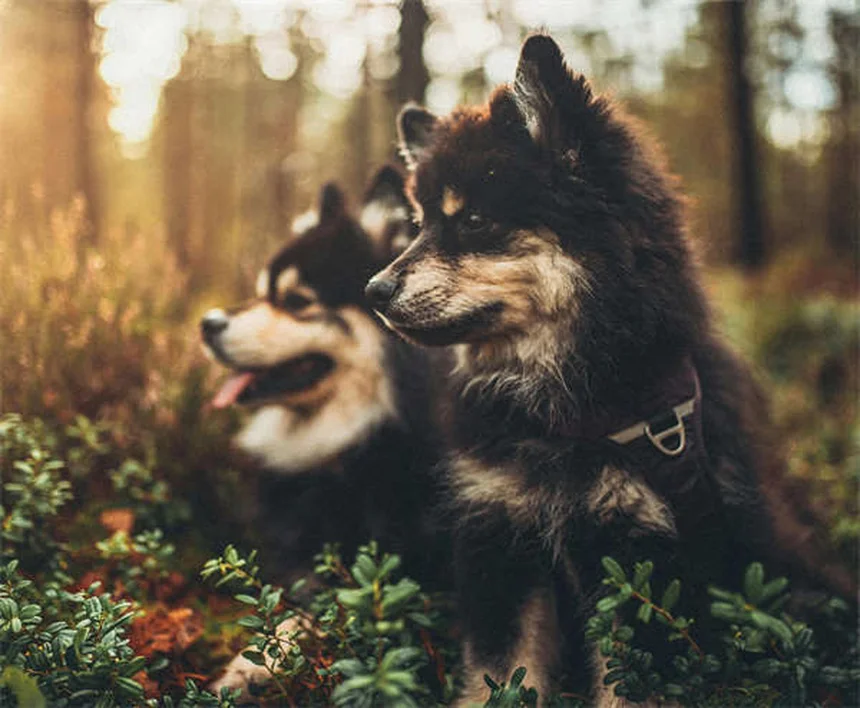
Looking for the best small dog breeds to fit your lifestyle? You're in the right place! As a dog lover with years of experience, I can tell you that small dogs pack huge personalities into those tiny bodies. Whether you live in a cozy apartment or a spacious home, these little companions bring endless joy and love. From the sassy Chihuahua to the fluffy Pomeranian and elegant Papillon, we've rounded up 25 amazing small breeds that'll steal your heart. Each has unique traits - some are perfect lap dogs while others are energetic adventurers. I'll help you understand their temperaments, care needs, and why they might be your ideal match. Let's dive in and find your perfect pint-sized pal!
E.g. :Can Dogs Smell Fear? The Surprising Science Behind Your Pup's Superpower
- 1、Meet Your Perfect Tiny Companion
- 2、The Ultimate Small Dog Breed Guide
- 3、Small Dog Care Essentials
- 4、More Amazing Small Breeds
- 5、Special Considerations for Small Dogs
- 6、More Wonderful Small Breeds
- 7、Finding Your Perfect Match
- 8、More Fantastic Small Breeds
- 9、Final Thoughts on Small Dog Ownership
- 10、Beyond the Basics: Small Dog Lifestyle Perks
- 11、Unexpected Benefits of Small Dog Ownership
- 12、Small Dogs in Pop Culture
- 13、Small Dog Myths Debunked
- 14、Special Considerations for Small Dog Parents
- 15、Small Dogs Through the Ages
- 16、The Unexpected Challenges
- 17、Small Dogs and Family Life
- 18、FAQs
Meet Your Perfect Tiny Companion
Why Small Dogs Make Great Pets
Let me tell you something - small dogs pack a huge personality into those tiny bodies! Whether you live in a studio apartment or a mansion, these little guys adapt perfectly. Their compact size means they're easier to travel with, cheaper to feed, and often live longer than larger breeds. Plus, who can resist those puppy-dog eyes in a miniature package?
Now, you might be wondering - do small dogs require less exercise than big dogs? Well, here's the surprising truth: many small breeds have energy levels that could power a small city! Take the Jack Russell Terrier for example - they're like tiny athletes who need serious playtime. But don't worry, we'll help you find the perfect match for your activity level.
Choosing Your Tiny Best Friend
Before we dive into our list of 25 amazing small breeds, let's talk about what really matters when choosing your furry companion. Size isn't the only factor - you'll want to consider:
| Factor | What to Consider |
|---|---|
| Energy Level | From couch potatoes to marathon runners |
| Grooming Needs | Daily brushing vs. low-maintenance coats |
| Temperament | Lap dogs vs. independent spirits |
| Health Considerations | Common breed-specific issues to watch for |
The Ultimate Small Dog Breed Guide
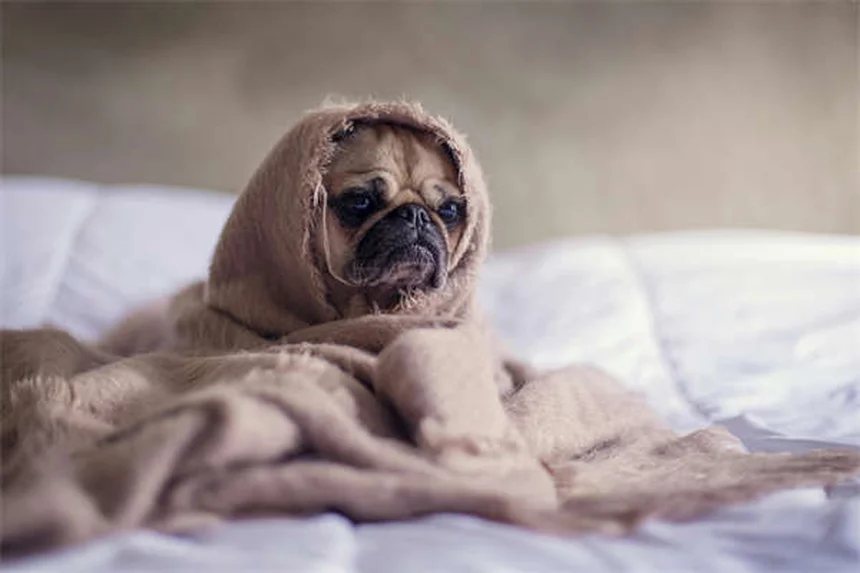 Photos provided by pixabay
1. The Mighty Chihuahua
Don't let their size fool you - these little warriors have big personalities! Weighing in at just 6 pounds or less, Chihuahuas are perfect for apartment living. Their sassy attitude will keep you laughing every day.
Here's a fun fact: Chihuahuas actually come in two coat varieties - smooth and long-haired. Both types are equally adorable, but the long-haired version might need a bit more brushing. And get this - they're one of the longest-living dog breeds, often reaching 15-20 years! That's a lot of years of love and companionship.
2. The Fluffy Pomeranian
Looking for a dog that's basically a walking cloud? Meet the Pomeranian! These little fluffballs weigh just 3-7 pounds but carry themselves like royalty. Their luxurious coat comes in nearly two dozen colors - from classic orange to stunning blues.
Poms are descended from much larger sled dogs - can you imagine? Through selective breeding, we've got these tiny bundles of joy today. They're surprisingly intelligent too - many Pomeranians excel in obedience and agility training. Just be prepared for regular grooming sessions to keep that coat looking fabulous!
3. The Playful Yorkie
Yorkshire Terriers, or Yorkies as we lovingly call them, are the perfect combination of spunk and sweetness. At just 7 pounds, they're small enough to carry everywhere but brave enough to think they're giant guard dogs!
Their beautiful silky coat does require regular maintenance - many owners opt for the practical "puppy cut" to keep things manageable. Yorkies are particularly sensitive to cold weather, so you might want to invest in some cute sweaters for winter walks. They're incredibly loyal and will follow you from room to room - your very own furry shadow!
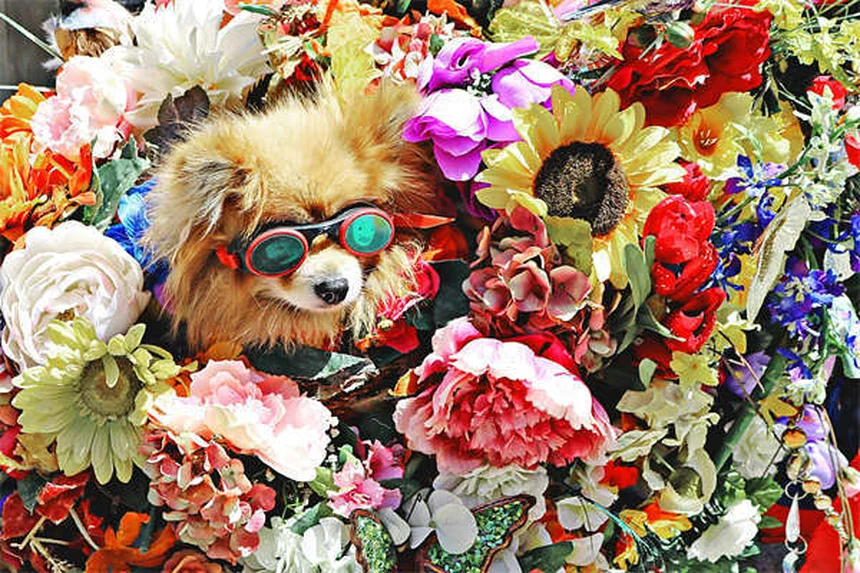 Photos provided by pixabay
1. The Mighty Chihuahua
Bred to resemble miniature lions, Shih Tzus are all about the glam life. That flowing coat isn't just for show - it's a badge of honor! These 9-16 pound pups were treasured by Chinese royalty for centuries.
Shih Tzus have an incredibly sweet temperament - they get along with everyone from kids to other pets. Their flat faces mean they can be prone to breathing issues in hot weather, so keep those summer walks short and sweet. Many owners choose to keep their coats clipped short for easier care, but that long flowing show coat is absolutely breathtaking!
5. The Elegant Papillon
Named for their butterfly-like ears (papillon means butterfly in French), these 5-10 pound charmers are more than just pretty faces. They're consistently ranked among the most intelligent small breeds - some can learn new tricks in just a few repetitions!
Papillons thrive on mental stimulation - puzzle toys and training sessions are musts. They're also surprisingly athletic for their size, excelling in dog sports like agility. That silky coat is relatively low-maintenance compared to some other small breeds - just regular brushing to prevent mats. Their expressive faces and lively personalities make them utterly irresistible!
Small Dog Care Essentials
Nutrition for Tiny Tummies
Small breeds have different nutritional needs than their larger cousins. Their metabolisms run faster, so they need calorie-dense food in smaller portions. Look for kibble specifically formulated for small breeds - the pieces are sized just right for those little mouths.
Many small dogs are prone to dental issues, so dental chews or regular teeth brushing is a must. And here's a pro tip: elevated food and water bowls can help prevent neck strain and improve digestion for your petite pup.
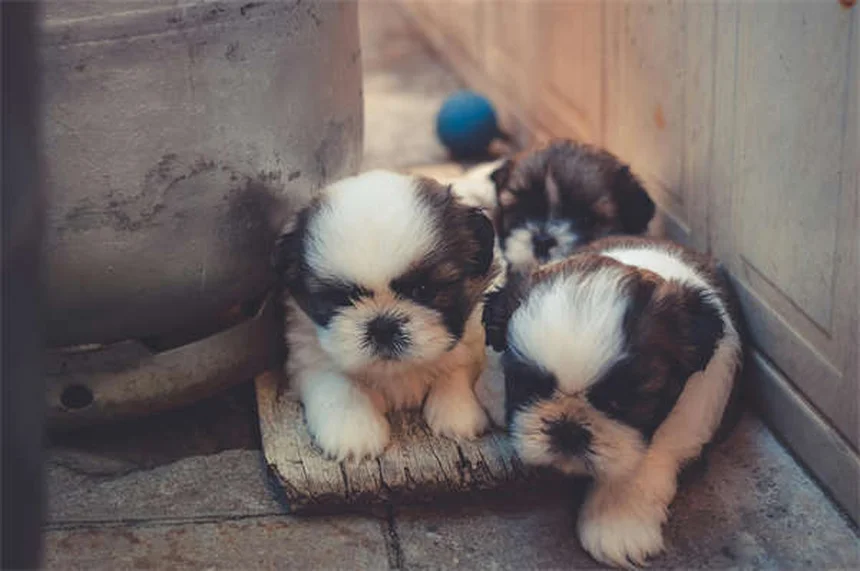 Photos provided by pixabay
1. The Mighty Chihuahua
While small dogs don't need miles of running like some large breeds, they do require regular activity to stay happy and healthy. Short, frequent walks are ideal - their little legs work twice as hard to keep up with you!
Indoor play is just as important - try hiding treats around the house for a fun scavenger hunt, or invest in some interactive toys. Many small breeds love learning tricks - it's great mental stimulation and strengthens your bond. Just remember - no jumping from high furniture to protect those delicate joints!
More Amazing Small Breeds
6. The Sophisticated Toy Poodle
Don't let the fancy haircuts fool you - Toy Poodles are incredibly smart and athletic. At just 4-6 pounds, they're the smallest of the poodle family but just as clever as their larger relatives.
Their curly hypoallergenic coat makes them a great choice for allergy sufferers, though it does require professional grooming every 4-6 weeks. Poodles excel in obedience and are often used as therapy dogs due to their gentle nature. That intelligence means they need plenty of mental stimulation - bored poodles can become mischievous!
7. The Unique Affenpinscher
With a name that means "monkey terrier" in German, these 7-10 pound characters live up to their name! That distinctive bearded face gives them an almost human-like expression that's impossible to resist.
Affenpinschers are known for their bold, confident personalities - they don't realize how small they are! Their wiry coat needs regular brushing and occasional hand-stripping to maintain its texture. These little clowns will keep you entertained for years - they're one of the longest-living small breeds, often reaching 15 years or more.
8. The Angelic Maltese
That flowing white coat makes Maltese look like they've stepped out of a fairy tale. At just 7 pounds or less, they're the perfect lap-sized companion. Despite the long hair, they're surprisingly low-shedding.
Maltese are incredibly affectionate and thrive on human companionship - they don't do well being left alone for long periods. Many owners keep their coats clipped short in a "puppy cut" for easier maintenance. Their sweet, gentle nature makes them excellent therapy dogs and perfect for first-time owners.
9. The Cheerful Bichon Frise
Looking for a dog that's basically sunshine on four legs? Meet the Bichon! These 12-18 pound powder puffs are famous for their merry personalities and hypoallergenic coats.
Bichons are incredibly social and get along with everyone - kids, other pets, even strangers (who they'll quickly try to befriend). Their curly coat requires regular grooming to prevent mats, but it's worth it for that cloud-like fluff. They're particularly talented at learning tricks - their eager-to-please nature makes training a breeze!
10. The Rare Biewer Terrier
Pronounced "beaver," these 4-8 pound beauties are like Yorkies with a special twist - their unique piebald coloring gives them a distinctive look. They're relatively new to the US but quickly gaining popularity.
Biewers are incredibly loyal to their families and make excellent watchdogs (they'll alert you to any unusual sounds). Their long, silky coat does require regular brushing to stay tangle-free. Despite their small size, they have plenty of energy and love going on adventures with their favorite humans!
Special Considerations for Small Dogs
Health Matters
Small breeds often live longer than larger dogs, but they can be prone to certain health issues. Dental problems are common due to their crowded teeth, so regular dental care is crucial. Many small breeds are also prone to luxating patellas (slipping kneecaps) and tracheal collapse.
Did you know small dogs can be more sensitive to anesthesia? Always make sure your vet has experience with small breeds. And here's an important tip - small dogs can get chilled easily, so sweaters in cold weather aren't just fashion statements!
Training Tips
Some people think small dogs don't need training - big mistake! Proper training is just as important for your petite pup. Small dog syndrome (when little dogs develop behavior problems) often stems from owners being too lenient because "they're so cute."
Use positive reinforcement methods - small dogs respond best to treats and praise. Socialization is crucial too - expose your pup to different people, places, and situations while they're young. And remember - even a 5-pound dog should know basic commands for their safety and your sanity!
More Wonderful Small Breeds
11. The Expressive Brussels Griffon
With faces that look straight out of a Disney movie, Brussels Griffons are impossible to resist. Those huge, soulful eyes seem to look right into your heart! At 8-10 pounds, they're the perfect size for cuddling.
Griffons form incredibly strong bonds with their owners - they're true "Velcro dogs." Their wiry coat needs regular brushing and occasional hand-stripping. Fun fact: these little guys were the inspiration for the Ewoks in Star Wars - how cool is that?
12. The Mini Husky - Alaskan Klee Kai
Want a Husky but live in an apartment? Meet the Alaskan Klee Kai! These 6-25 pound beauties come in three sizes (Toy, Miniature, and Standard) and have all the Husky personality in a compact package.
Like their larger cousins, Klee Kai are intelligent and energetic - they need plenty of exercise and mental stimulation. Their striking markings and blue eyes turn heads wherever they go. They can be reserved with strangers but are devoted to their families - perfect for someone who wants a loyal companion with Arctic good looks!
13. The Shaggy Cairn Terrier
Remember Toto from The Wizard of Oz? That was a Cairn Terrier! These 13-14 pound Scottish natives are full of spunk and personality. Their shaggy coat is weather-resistant and relatively low-maintenance.
Cairns are incredibly intelligent and excel at dog sports. They have an independent streak but are very loyal to their families. That rough-and-tumble coat comes in various colors and gives them a charming, scruffy appearance that's impossible not to love!
14. The Noble Japanese Chin
Once treasured by Japanese aristocracy, these 7-11 pound beauties still carry themselves with royal grace. Their silky coat and expressive eyes give them an almost porcelain doll-like appearance.
Chins are known for their unique "cat-like" behaviors - they often groom themselves and even climb onto high surfaces! They're relatively quiet compared to other small breeds and make excellent apartment companions. That long coat needs regular brushing to stay beautiful, but their gentle nature makes grooming sessions a breeze.
15. The Italian Bolognese
Hailing from Bologna, Italy, these 6-10 pound fluffballs have been charming nobility for centuries. Their pure white coat gives them an angelic appearance that matches their sweet temperament.
Bolognese are incredibly affectionate and form strong bonds with their families. They're relatively low-energy compared to some small breeds - perfect for more relaxed households. Their coat needs regular brushing to prevent mats, but it's worth it for that cloud-like fluffiness!
Finding Your Perfect Match
Adoption vs. Breeder
Now that you've seen these amazing small breeds, you might be wondering where to find your perfect match. Both adoption and responsible breeders have their advantages. Many small breed rescues specialize in specific types of dogs, while reputable breeders can provide health-tested puppies with predictable traits.
Did you know that small dogs are often surrendered to shelters because owners underestimate their needs? That means there are plenty of wonderful small dogs waiting for second chances. Whatever route you choose, make sure to do your research and ask plenty of questions!
Preparing Your Home
Before bringing home your tiny companion, you'll want to puppy-proof your space. Small dogs can squeeze into surprisingly tight spaces, so look for potential hazards at their eye level. Electrical cords, small objects they could swallow, and gaps behind furniture all need attention.
Invest in appropriately sized supplies - small dogs need smaller beds, toys, and even collars. And here's a safety tip: be extra careful with recliners and sofas - many small dogs get injured when people don't see them curled up in the cushions!
More Fantastic Small Breeds
16. The Royal Cavalier King Charles Spaniel
Named after kings and bred for royalty, Cavaliers are the definition of lap dog luxury. At 13-18 pounds, they're slightly larger than some toy breeds but still perfectly portable.
Those big, dreamy eyes and silky ears are impossible to resist. Cavaliers are famously good-natured - they get along with everyone from kids to other pets. They do require regular ear cleaning (those long ears can trap moisture) and benefit from daily brushing to keep their coat looking its best.
17. The Graceful Italian Greyhound
The miniature version of the racing Greyhound, these 7-14 pound speedsters are all about elegance. Their sleek coats come in various colors and require minimal grooming - just occasional wiping with a soft cloth.
Italian Greyhounds are sensitive souls who thrive on companionship. They're known for their love of burrowing under blankets - you might want to invest in some cozy doggy sweaters too! While they enjoy short bursts of running, they're equally happy curling up with you for movie night.
18. The Unique Chinese Crested
Talk about a conversation starter! Chinese Cresteds come in two varieties - the hairless (with tufts on the head, tail, and feet) and the powderpuff (completely covered in soft hair). Both types weigh 8-12 pounds and have sweet, playful personalities.
Hairless Cresteds need special skincare - sunscreen in summer and sweaters in winter. Powderpuffs require regular brushing to prevent mats. Both varieties are incredibly affectionate and love being the center of attention - perfect for someone who wants a truly unique companion!
19. The Bouncy Havanese
Cuba's only native dog breed, the Havanese is all about joy. These 7-13 pound bundles of happiness have a signature spring in their step that's absolutely contagious!
Their silky coat can grow quite long and comes in various colors. Many owners opt for a practical puppy cut for easier maintenance. Havanese are incredibly social and hate being left alone - they do best in homes where someone is usually around. That cheerful disposition makes them excellent therapy dogs!
20. The Lion-Like Lhasa Apso
Bred in Tibetan monasteries to resemble lions, these 12-18 pound dogs are as majestic as their name suggests. That flowing coat is truly spectacular when properly maintained.
Lhasa Apsos were originally watchdogs, and they still retain that alert nature. They're incredibly loyal to their families but can be wary of strangers - early socialization is key. Many owners keep their coats clipped short for easier care, but that full show coat is a sight to behold!
Final Thoughts on Small Dog Ownership
The Joys of Tiny Companions
After exploring all these amazing small breeds, I hope you're as excited about small dog ownership as I am! There's something truly special about the bond between a person and their petite pup. Whether you choose a feisty terrier or a regal lap dog, you're in for years of love, laughter, and unforgettable moments.
Small dogs prove that great things really do come in small packages. They fit perfectly into our lives, our homes, and most importantly, our hearts. No matter which breed you choose, you're gaining a loyal friend who will cherish every moment with you.
Your Next Steps
Ready to find your perfect small companion? Start by visiting local shelters and breed-specific rescues - you might just meet your soulmate! If you're considering a breeder, look for someone who health tests their dogs and prioritizes temperament.Beyond the Basics: Small Dog Lifestyle Perks
Travel Buddies Extraordinaire
Ever tried taking a Great Dane on an airplane? Yeah, me neither - but I can tell you small dogs make fantastic travel companions! Most airlines allow dogs under 20 pounds to ride in-cabin with you. That means no stressful cargo holds for your furry friend.
I recently took my 8-pound Maltese on a cross-country flight, and let me tell you - she was the hit of the plane! While big dog owners were worrying about pet cargo fees and temperature restrictions, my little girl snoozed comfortably in her carrier under the seat. Pro tip: Always call the airline in advance - each has slightly different pet policies and fees.
Apartment Living Made Easy
Living in a tiny studio? No backyard? No problem! Small dogs adapt beautifully to compact spaces. My neighbor's 6-pound Chihuahua gets all his exercise running laps around their 500-square-foot apartment when it rains.
But here's something most people don't consider - small dogs are much easier to housebreak in small spaces. When nature calls at 3 AM, you won't need to throw on snow boots for a trek across a frozen yard. A quick trip to the puppy pad or balcony potty area does the trick!
| Living Situation | Big Dog Challenges | Small Dog Advantages |
|---|---|---|
| Apartment | Space restrictions, noise complaints | Compact size, quieter barks |
| City Living | Difficult public transport, crowded sidewalks | Easy to carry, less intimidating to others |
| Frequent Moves | Breed restrictions, higher pet deposits | More housing options, lower fees |
Unexpected Benefits of Small Dog Ownership
Budget-Friendly Furballs
Let's talk dollars and cents - small dogs are significantly cheaper to care for than large breeds. My cousin's Great Dane goes through a 40-pound bag of food every three weeks, while my Yorkie's 5-pound bag lasts two months!
Vet bills tend to be lower too - medication doses are smaller, and procedures often cost less. Even basics like dog beds, crates, and toys come in smaller (and cheaper) sizes. Don't even get me started on grooming costs - bathing a 5-pound dog uses way less shampoo than washing a 50-pound fluff monster!
Fashion Forward Companions
Okay, I'll admit it - dressing up small dogs is ridiculously fun. While your neighbor's Labrador would look silly in a raincoat, your 10-pound Shih Tzu will rock that Burberry trench like a runway model!
The pet fashion industry caters heavily to small breeds with everything from designer sweaters to tiny booties. And it's not just about looks - small dogs actually need clothing in cold weather since they lose body heat faster. My Pomeranian has a whole wardrobe of sweaters, and honestly? She pulls them off better than I do.
Small Dogs in Pop Culture
Celebrity Tiny Paws
From Tinkerbell (Paris Hilton's Chihuahua) to Boo (the Pomeranian internet sensation), small dogs have always stolen the spotlight. Did you know the most followed dog on Instagram is a 5-pound Pomeranian with over 10 million followers?
Hollywood loves small breeds too - remember Bruiser from Legally Blonde or Moonie from Modern Family? These tiny actors prove that great things come in small packages. Even historical figures like Marie Antoinette and Queen Victoria adored their small canine companions!
Why Do Small Dogs Capture Our Hearts?
Ever notice how small dogs seem to trigger our "cute response"? Scientists say it's because their large eyes and rounded features activate our nurturing instincts - similar to how we react to human babies!
But there's more to it than just looks. Small dogs have this incredible ability to form intense emotional bonds with their humans. My aunt's 7-pound Maltese follows her everywhere - to the point we joke he's her furry shadow. That level of devotion is hard to resist!
Small Dog Myths Debunked
"They're Just Anxious All the Time"
I hear this one a lot - that small dogs are naturally nervous wrecks. But here's the truth: anxiety often comes from how we treat them, not their size. When we constantly carry them or shield them from normal experiences, we create fearful dogs.
Proper socialization makes all the difference. My neighbor's confident 6-pound Chihuahua walks off-leash (safely in enclosed areas) because she was exposed to diverse experiences as a puppy. Meanwhile, another friend's unsocialized 80-pound German Shepherd is terrified of his own shadow!
"Small Dogs Aren't Real Dogs"
This ridiculous myth drives me crazy! What exactly makes a "real" dog? Is it size? Because last I checked, all dogs share the same canine DNA.
Small breeds were developed for specific purposes - ratting, companionship, even herding. My 12-pound Jack Russell has more energy and drive than most large breeds I know. And let's not forget - small dogs were often bred to be fearless - those medieval castle ratters had to stand up to much larger rodents!
Special Considerations for Small Dog Parents
Safety First
Small dogs face unique safety challenges that big dog owners never consider. Did you know an excited toddler can accidentally injure a tiny pup? Or that small dogs are more vulnerable to predatory birds in some areas?
Here are essential safety tips every small dog owner needs:• Use a harness instead of a collar to protect delicate tracheas• Keep them leashed in unfamiliar areas - a startled small dog can bolt quickly• Be extra vigilant around larger dogs - even friendly ones might play too rough• Consider pet insurance - small breeds can be expensive at the vet despite their size
The Social Life of Small Dogs
You might think small dogs prefer hanging with their own size, but many actually enjoy mixed-size playgroups! The key is proper introductions and supervision.
At our local dog park, we have a "small dog hour" where the little guys can play safely. But my Yorkie's best friend is actually a gentle Golden Retriever - they have the most adorable play style where she jumps over him like he's a living obstacle course!
Small Dogs Through the Ages
Historical Companions
Small dogs have been by humanity's side for centuries. Ancient Chinese emperors kept Pekingese as sacred companions, while European royalty adored toy spaniels. Even the Aztecs prized the Techichi - ancestor of today's Chihuahua!
During the Renaissance, small dogs weren't just pets - they were living hand warmers! Noble ladies would carry them in special sleeves to stay cozy. Talk about multi-purpose companions!
Modern Working Small Dogs
Think small dogs are just lap warmers? Think again! Many excel in important jobs:• Therapy dogs bringing comfort to hospitals and nursing homes• Agility champions competing at the highest levels• Scent detection dogs - their size lets them access tight spaces• Alert dogs for medical conditions like diabetes
My friend's 10-pound Papillon works as a hearing assistance dog - her sharp ears catch sounds her deaf owner misses. She even knows different alerts for the doorbell versus the smoke alarm!
The Unexpected Challenges
Household Hazards
Small dogs see the world from about 8 inches off the ground - which means everyday items can be dangerous. That loose button? Potential choking hazard. That gap in the balcony railing? Escape route waiting to happen.
Here's something I learned the hard way - small dogs can get trapped in reclining chairs and folding furniture. Now I always do a "puppy check" before closing anything! And don't get me started on the time my Havanese tried to "help" by carrying my sewing scissors...
The Lap Dog Reality
We all imagine peacefully reading with a snoozing pup in our lap. The reality? Many small breeds have endless energy and would rather play fetch than cuddle!
My neighbor adopted a "lap dog" Bichon only to discover he's an agility superstar in disguise. They've since competed in three national championships! The lesson? Research energy levels, not just size, when choosing your small breed.
Small Dogs and Family Life
Kids and Tiny Dogs
Many parents worry small dogs are too fragile for children, but with proper supervision, they can be wonderful family pets. The key is teaching kids how to interact gently.
My sister's 5-pound Yorkie and 4-year-old niece are inseparable - but they learned boundaries through "gentle hands" training. We taught her to sit still and let the dog come to her. Now they share the most adorable tea parties!
Multi-Pet Households
Wondering if a small dog will get along with your cat or big dog? It's all about proper introductions. My 15-pound Cavalier King Charles rules the roost over two cats and a German Shepherd mix!
The secret? We introduced them gradually with barriers at first, used positive reinforcement, and always supervised early interactions. Now they're the best of friends - though the cats still pretend they're in charge.
E.g. :What dog would be good for an active lifestyle, but living in a smaller ...
FAQs
Q: What is the best small dog breed for first-time owners?
A: If you're new to dog ownership, I'd recommend starting with the Cavalier King Charles Spaniel or Maltese. These breeds are incredibly friendly, easy to train, and adaptable to different living situations. Cavaliers are known for their sweet temperament - they get along with everyone and are less prone to the "small dog syndrome" behavior issues. Maltese are equally wonderful, with their hypoallergenic coats and affectionate nature. Both breeds typically weigh under 18 pounds and require moderate exercise. Just remember, even the easiest small dogs need proper socialization and training - don't skip puppy classes!
Q: How much exercise do small dog breeds need daily?
A: Here's something many people get wrong - small dogs often need more exercise than you'd expect! While they don't require marathon walks, most small breeds need 30-60 minutes of activity daily. High-energy breeds like Jack Russell Terriers or Border Terriers might need even more. I recommend breaking exercise into multiple short sessions - think morning and evening walks plus playtime. Mental stimulation is equally important for these smart little pups. Puzzle toys, training sessions, and interactive games will keep them happy. Remember, a tired dog is a well-behaved dog, no matter the size!
Q: Are small dog breeds good with children?
A: Many small breeds can be great with kids, but there are important considerations. Supervision is crucial - small dogs can be easily injured by rough play. Some of the best kid-friendly small breeds include the Bichon Frise, Havanese, and Cavalier King Charles Spaniel. These breeds tend to be sturdy, patient, and less prone to nipping. I always teach children how to properly interact with small dogs - no picking them up without permission, gentle petting, and respecting their space. With proper training (for both dog and kids), small breeds can make wonderful family pets!
Q: What are the healthiest small dog breeds?
A: While all breeds can have health issues, some small dogs are known for their longevity and robust health. The Chihuahua often lives 15-20 years, and the Miniature Schnauzer is another relatively healthy choice. Italian Greyhounds and Rat Terriers also tend to have fewer genetic health problems. That said, all small dogs need regular veterinary care, especially dental checkups. I recommend choosing a reputable breeder who does health testing or adopting from a rescue that fully vets their dogs. Proper nutrition and exercise will go a long way in keeping your small companion healthy for years!
Q: How do I choose between small dog breeds?
A: Choosing your perfect small breed comes down to matching their needs with your lifestyle. Ask yourself: How much time do I have for grooming? How active am I? Do I want a lap dog or an adventurous companion? Make a list of your must-haves - maybe you need a hypoallergenic coat or a dog that travels well. I always suggest meeting several breeds in person before deciding. Visit dog shows, talk to breeders, or volunteer at shelters. Remember, while breed traits give general guidelines, each dog has its own personality. The right small dog will just feel like they belong with you!