Why do dogs bring you toys when you get home? The answer is simple: it's their way of saying I love you in dog language! Whether your pup wants to play, show off, or just manage their excitement, that slobbery toy in their mouth is packed with meaning. I've seen this behavior countless times with my own dogs, and let me tell you - it's one of the sweetest parts of coming home. Your dog isn't just handing you a chew toy - they're sharing their joy, their pride, and their need to connect with you. In this article, we'll break down the three main reasons behind this adorable habit, and trust me, by the end you'll look at your dog's toy offerings in a whole new light!
E.g. :5 Easy Aquarium Shrimp Care Tips Every Beginner Should Know
- 1、Why Does Your Pup Bring You Toys? Let’s Decode This Adorable Habit!
- 2、Beyond Toys: Other Quirky Welcome Rituals
- 3、What Should You Do When They Bring a Toy?
- 4、When Toy-Bringing Goes Overboard
- 5、The Bottom Line
- 6、The Science Behind Your Dog's Toy Obsession
- 7、Breed-Specific Toy Behaviors You Should Know
- 8、When Toy Love Goes Too Far
- 9、Making the Most of Toy Time
- 10、FAQs
Why Does Your Pup Bring You Toys? Let’s Decode This Adorable Habit!
Picture this: You walk through the door after a long day, and there’s your furry best friend—tail wagging at warp speed, holding their favorite dog toy like it’s a prized trophy. Why do dogs do this? Let’s dig into the hilarious and heartwarming reasons behind this classic canine welcome!
Reason #1: "Playtime? Yes, Please!"
Your dog’s day probably went like this: 80% napping, 15% staring out the window, and 5% wondering why you abandoned them (dramatic sigh). When you finally return, their energy meter goes from 0 to 100 real quick.
Here’s the deal: Dogs are creatures of habit. If you usually play fetch or tug-of-war right after work, your pup connects your arrival with fun time. That slobbery toy in their mouth? It’s their way of saying, "Hey, remember our deal? You throw, I chase—let’s go!"
Pro tip: Keep a basket of interactive toys by the door. Rotate them weekly to keep things exciting. A bored dog is a mischievous dog (RIP to my favorite shoes last summer).
Reason #2: "Look What I’ve Got!" (The Canine Show-Off)
Some dogs strut around with toys like they’re on a runway. But why bring it if they won’t let you touch it? Great question!
This behavior is part display ("Aren’t I fancy?"), part game ("Try and take it—psych!"). These pups learned that holding a toy makes you react—maybe you laugh, say their name, or playfully chase them. Attention = success in dog math.
Fun fact: My neighbor’s Golden Retriever carries the same ratty stuffed bunny every day. It’s missing both eyes and smells questionable, but to him? Priceless treasure.
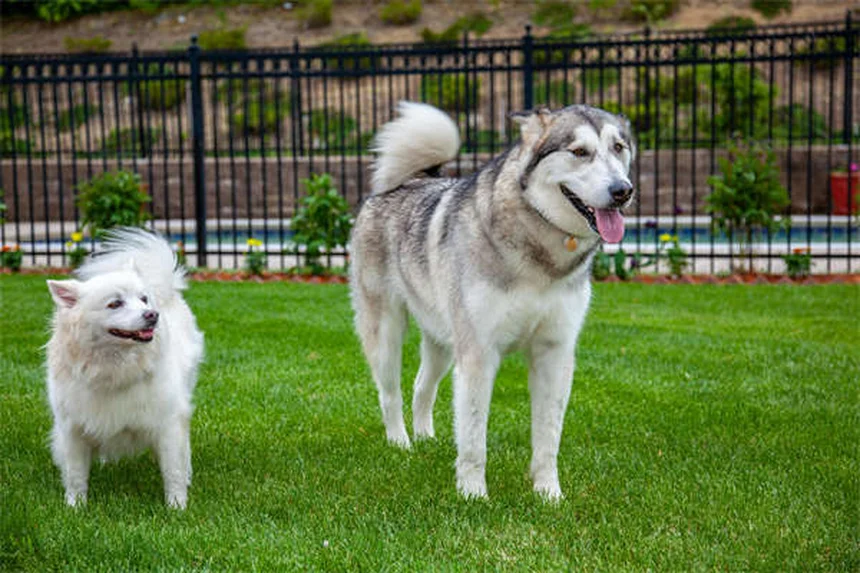 Photos provided by pixabay
Reason #3: "I’m So Excited I Might Explode!"
For overly enthusiastic greeters (jumpers, barkers, or "I-love-you-so-much-I-must-nip-your-elbow" types), toys act as a distraction tool. A mouth full of toy can’t bark or chew your jeans!
Trainers call this redirection. Instead of scolding excitement, we channel it positively. Over time, smart dogs self-redirect—grabbing a toy before they even see you. Genius!
Check out this training progress table:
| Week | Behavior | Toy Success Rate |
|---|---|---|
| 1 | Jumps + barks | 20% |
| 3 | Grabs toy sometimes | 60% |
| 6 | Runs to toy basket first | 90% |
Beyond Toys: Other Quirky Welcome Rituals
The Sock Bandit
Some dogs bring laundry instead of toys. If yours delivers mismatched socks like a tiny butler, they might prefer soft textures or your scent on fabric. (Still better than finding socks shredded behind the couch!)
The Foodie Ambassador
Ever been greeted with a kibble piece? That’s the dog version of "I saved you some dinner!" Awkward but sweet.
What Should You Do When They Bring a Toy?
Do: Praise them! Even 10 seconds of play or a "Good boy!" reinforces happy behavior.
Don’t: Ignore them or take the toy immediately. That’s like someone high-fiving the air when you try to greet them—rude!
Wait—does responding encourage begging? Nope! This is bonding, not manipulation. Dogs don’t scheme; they live in the moment. Your attention is their paycheck.
When Toy-Bringing Goes Overboard
If your dog brings every toy they own in rapid succession, they might be:
- Overstimulated (try calming activities)
- Anxious (consult a trainer)
- Just really, really proud of their collection
The Bottom Line
Whether it’s a slobbery ball or that one indestructible Kong toy they’ve had since puppyhood, this ritual is your dog’s love language. Next time, kneel to their level and say thanks—maybe even play a quick round of fetch. After all, their whole world lights up when you walk through that door.
Now if you’ll excuse me, my Lab just dropped a wet rope toy on my keyboard. Duty calls!
The Science Behind Your Dog's Toy Obsession
 Photos provided by pixabay
Reason #3: "I’m So Excited I Might Explode!"
When your pup shoves that slobbery tennis ball into your lap, their brain is actually flooding with dopamine - the same "feel-good" chemical humans get from eating chocolate or winning a game. But why does this happen? Simple! Dogs associate toys with playtime, and playtime means bonding with their favorite human (that's you!).
Researchers at Emory University found that dogs' brains light up like Christmas trees when they anticipate rewards. That ratty old stuffed animal? To your dog, it's not just a toy - it's a happiness trigger that says "fun times are coming!" This explains why some dogs will literally trip over themselves running to grab a toy when you walk in the door.
The Pack Mentality Connection
Here's something wild - wolves in the wild actually show similar behaviors! Young wolves will often bring items (bones, sticks, etc.) to older pack members as a form of social bonding. Your living room might not be the Arctic tundra, but that stuffed squirrel your dog keeps dropping in your lap? It's basically the modern version of this ancient wolf behavior.
Think about it this way: when your dog brings you a toy, they're not just saying "let's play" - they're saying "you're part of my pack". And isn't that just the sweetest thing? I know my heart melts every time my terrier proudly presents his mangled rope toy like it's the crown jewels.
Breed-Specific Toy Behaviors You Should Know
The Retrievers: Born to Deliver
Ever notice how Golden Retrievers seem to come pre-programmed to carry things? That's because we literally bred them for this! These water-loving pups were developed to gently carry birds back to hunters without damaging them. Today, that means your Lab will treat your TV remote with the same delicate care as a 19th century duck hunter's prize pheasant.
Here's a fun table comparing different breeds' toy habits:
| Breed | Typical Toy Behavior | Funny Quirk |
|---|---|---|
| Labrador | Carries toys constantly | Will try to fit 3 toys in mouth at once |
| Border Collie | Organizes toys | Lines them up by size/color |
| Dachshund | Buries toys | Looks offended when you sit on their "hidden" toy |
 Photos provided by pixabay
Reason #3: "I’m So Excited I Might Explode!"
If you've got a terrier, you've probably seen the infamous "kill shake" - where they grab a toy and whip their head back and forth like they're trying to snap its neck. Should you be worried about this violent-looking behavior? Not at all! This is just their natural prey drive coming out to play (literally).
Those little guys were bred to hunt rodents, and that shaking motion is hardwired into their DNA. When your Jack Russell goes nuts on that plush toy, they're not being aggressive - they're just following centuries of breeding that says "if it squeaks, it must die!" My personal solution? Invest in extra-durable toys unless you enjoy finding stuffing all over your couch.
When Toy Love Goes Too Far
The Canine Hoarder Situation
Some dogs take toy collection to extreme levels. I'm talking about the pups who gather every single toy in the house and pile them in their bed (or your lap). While this might seem cute (and Instagram-worthy), it can actually signal mild anxiety. These dogs are creating what animal behaviorists call a resource cache - basically, they're stockpiling their favorite things "just in case."
If your dog does this, try establishing a toy rotation system. Keep 2-3 toys out at a time and store the rest. This keeps things fresh and prevents that overwhelmed "must collect ALL the toys" mentality. Trust me, your living room will thank you when it's not buried under a mountain of chew toys.
The Velcro Dog Phenomenon
Does your shadow - I mean, dog - follow you everywhere with a toy in their mouth? This constant need to have a toy near you might be more than just playfulness. Some dogs use toys as comfort objects, especially in new or stressful situations. It's like how some kids carry around a security blanket.
While this isn't necessarily bad, it's good to encourage independence. Try designating "toy-free zones" where your dog learns to relax without their emotional support tennis ball. Start with short periods while you're still in the room, then gradually increase the time. Before you know it, they'll be confident enough to nap without their favorite plushie by their side.
Making the Most of Toy Time
Quality Over Quantity
Here's a secret: your dog would rather play with you for 5 minutes with one toy than have 20 toys they only interact with alone. Why does this matter? Because that connection is what they're really craving when they bring you toys. Those goofy play sessions strengthen your bond way more than any fancy toy ever could.
Next time your dog shoves a toy in your face, try this: get down on their level (yes, even if it means sitting on the floor) and engage fully for just a few minutes. Make eye contact, use an excited voice, and really focus on them. You'll be amazed at how much more satisfied they seem afterward compared to half-hearted play while you scroll through your phone.
The Art of Toy Rotation
Dogs get bored of toys just like we get bored of eating the same lunch every day. But here's the cool part - they forget about old toys after a while! I keep three bins of toys in my closet and rotate them weekly. It's like Christmas morning every time I bring out the "new" (read: forgotten) toys. My dog acts like each one is brand new, even though they're all at least a year old.
Pro tip: Wash toys before rotating them back in. That way they'll smell fresh and interesting. And if you really want to blow your dog's mind? Sprinkle a little bit of treats or peanut butter powder on them when you first reintroduce them. Just be prepared for some serious tail wagging!
E.g. :What does it mean when my dog brings me his toy? : r/Dogtraining
FAQs
Q: Is it bad to ignore my dog when they bring me a toy?
A: While it won't harm your dog, ignoring this sweet gesture misses a golden bonding opportunity. Think about it - your pup waited all day to see you, and that toy is their way of saying "Let's connect!" I recommend at least giving them a quick pat or verbal praise. Even better? Spend 2-3 minutes playing. This reinforces positive behavior without creating dependency. Remember: dogs live in the moment - that brief interaction means the world to them!
Q: Why does my dog bring toys but won't let me take them?
A: Ah, the classic "look but don't touch" game! This is completely normal dog behavior. Your pup might be showing off their prized possession (like a kid with a trophy), or they might want to initiate a game of keep-away. My Labrador does this daily - he prances around with his favorite rope toy, tail wagging, but dodges when I reach for it. It's his way of saying "Notice me!" without actually wanting to give up his treasure. Pro tip: Try offering a treat exchange if you really want the toy.
Q: Should I be concerned if my dog suddenly stops bringing toys?
A: Any sudden behavior change deserves attention, but don't panic. First, check for physical issues - dental pain or arthritis might make carrying toys uncomfortable. Second, consider stress factors like routine changes. My friend's dog stopped bringing toys when construction started next door. If the change persists beyond a week or comes with other symptoms (lethargy, appetite changes), schedule a vet visit. Otherwise, try reintroducing their favorite toy during happy moments to rebuild the association.
Q: How can I train my dog to bring specific toys?
A: Targeted toy retrieval is absolutely trainable! Start by naming each toy during play ("Get your blue ball!"). When they pick up the right one, reward heavily with treats and praise. I trained my terrier this way - now she can distinguish between her squeaky hedgehog and rubber bone on command! Keep sessions short (5 minutes max) and always end on a success. Remember: this should feel like a fun game, not a chore. Most dogs pick it up within 2-3 weeks with consistent practice.
Q: Why does my dog destroy toys but carefully presents others?
A: This shows remarkable emotional intelligence! Dogs often categorize toys into "for destruction" (satisfies chewing urges) and "for keeping" (special comfort items). My pitbull has a hierarchy - stuffed animals get obliterated within hours, but his first puppy toy remains intact after 5 years! The toys they gently bring you are typically their emotional support objects. Respect this distinction - replace the "destructibles" regularly, but protect their special favorites (even if they look ratty to you).