Why is my dog ignoring me? The answer is: Your pup isn't being stubborn on purpose! Dogs ignore us for specific reasons - from simple distractions to serious health issues. I've worked with hundreds of dog owners who faced this exact problem, and here's what I've learned: 9 times out of 10, your dog's selective hearing can be fixed with the right approach.Maybe your commands get lost in translation at the dog park, or perhaps your senior pup isn't ignoring you - he just can't hear well anymore. We'll break down the real reasons behind this frustrating behavior and give you actionable solutions that actually work. By the end of this guide, you'll understand your dog's behavior better and know exactly how to get his attention back!
E.g. :How to Humanely Euthanize a Fish: Vet-Approved Methods
- 1、Why Does My Dog Act Like I'm Invisible?
- 2、Top Reasons Your Dog Might Be Tuning You Out
- 3、When Ignoring Signals Something Serious
- 4、Pro Tips to Get Your Dog's Attention Back
- 5、Building a Stronger Bond
- 6、Turning Ignoring Into Engagement
- 7、The Science Behind Canine Selective Hearing
- 8、Creative Solutions for the "Deaf" Dog
- 9、Understanding Breed Differences
- 10、Technology to the Rescue
- 11、The Emotional Connection Factor
- 12、When All Else Fails
- 13、FAQs
Why Does My Dog Act Like I'm Invisible?
Ever feel like your dog treats you like background noise? You're not alone! Many pet parents experience that frustrating moment when their pup suddenly develops "selective hearing." But don't worry - there's usually a good reason behind this behavior, and more importantly, solutions to fix it!
The Mystery of the Ignoring Pup
Picture this: You're calling your dog's name repeatedly, waving treats, even doing a little dance... and your furry friend acts like you're a ghost. What gives?
Dogs don't ignore us to be rude. There's always an underlying reason - maybe they're distracted, confused, or even experiencing physical changes. The key is playing detective to understand why before we can fix the problem.
Top Reasons Your Dog Might Be Tuning You Out
New Environment, Old Problems
Remember when you aced that math test after studying in your quiet bedroom, then bombed the same material during a noisy lunch period exam? Dogs experience this too!
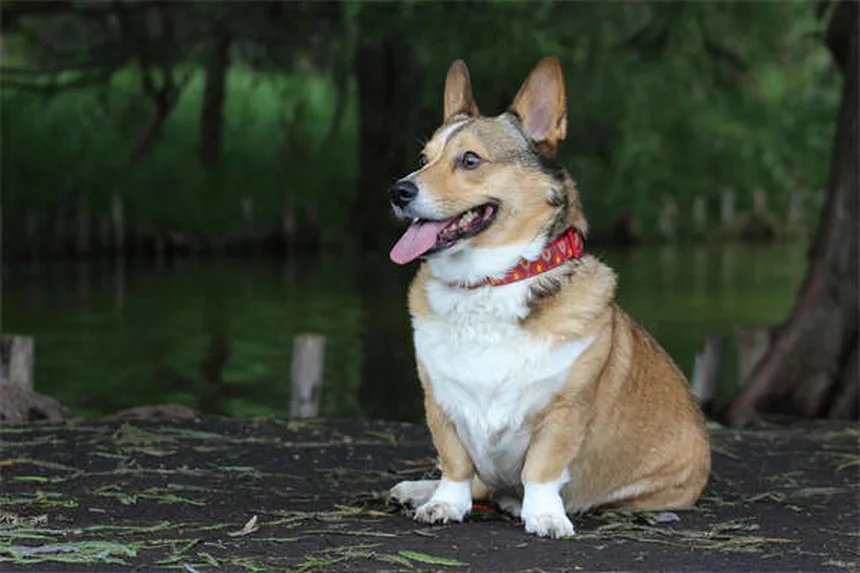
Your pup might perform perfectly at home or in training class, then completely blank when you're at the park. This isn't disobedience - it's just that dogs don't automatically generalize commands to new locations. They need practice in different environments to truly master skills.
 Photos provided by pixabay
Distraction Overload
Imagine trying to focus on a conversation while:
- A delicious steak sizzles nearby
- Your best friends are playing without you
- There's fresh snow to roll in
That's your dog's reality at the dog park or backyard BBQ! When exciting stimuli compete for attention, even the best-trained pups might prioritize sniffing over sitting.
| Distraction Level | Typical Dog Response | Solution |
|---|---|---|
| Low (quiet home) | Quick response to commands | Great for learning new skills |
| Medium (backyard) | Occasional delayed response | Use higher-value treats |
| High (dog park) | May appear deaf to commands | Lower expectations, focus on engagement |
Communication Breakdown
Ever played the telephone game where a message gets distorted as it passes between people? Similar things happen with dog commands!
"Sit" and "sit-sit-sit-SIT!" are actually different cues to your dog. Using inconsistent words or tones creates confusion. Think of it like someone giving you driving directions where "turn left" sometimes means right - you'd ignore them too!
When Ignoring Signals Something Serious
The Fear Factor
Newly adopted dogs often go through an adjustment period. Some bounce into their new lives, while others shut down temporarily. This isn't rejection - it's self-preservation.
Rescue dogs with difficult pasts might ignore commands because they've learned humans are unpredictable. Building trust takes time and patience in these cases.
 Photos provided by pixabay
Distraction Overload
Did you know dogs can develop canine cognitive dysfunction (doggy dementia)? As pups age, they may:
- Forget previously mastered commands
- Appear confused by familiar routines
- Seem less interested in interaction
If your older dog starts ignoring you suddenly, schedule a vet visit to rule out medical causes like hearing loss or arthritis pain.
Pro Tips to Get Your Dog's Attention Back
Back to Basics Training
Think of training like muscle memory - if you stop going to the gym, you lose strength. The same applies to your dog's skills!
Short, fun refresher sessions using high-value treats (think chicken or cheese, not boring kibble) can work wonders. Try these steps:
- Start in a low-distraction area
- Use an excited, happy voice
- Reward immediately for correct responses
- Gradually increase difficulty
Environmental Awareness
Would you expect a toddler to focus in a toy store? Then don't expect perfect obedience from your dog at the park!
Adjust your expectations based on location. At the vet's office, getting your anxious dog to take treats might be a win. At home, you can expect more.
 Photos provided by pixabay
Distraction Overload
Is your dog ignoring you, or actually telling you something important? Learning to "speak dog" helps tremendously.
Watch for these signs your pup might be stressed rather than disobedient:
- Yawning when not tired
- Lip licking without food present
- Turning head away
- Tucked tail
Building a Stronger Bond
Consistency Is Key
Ever notice how kids test boundaries by asking the same question to different parents? Dogs do this too!
If one family member allows jumping while another scolds it, your dog gets confused. Establish house rules everyone follows consistently.
The Power of Positive Reinforcement
Here's a fun experiment: try carrying treats randomly for a week and rewarding spontaneous good behavior (like sitting calmly). You'll notice your dog checking in with you more often!
Positive reinforcement isn't bribery - it's communication. You're showing your dog what behaviors earn good things.
When to Call the Vet
Sudden behavior changes always warrant a vet visit. Could your dog's ignoring actually be:
- Hearing loss?
- Vision problems?
- Arthritis pain?
- Cognitive decline?
A thorough checkup can identify or rule out medical causes, letting you focus on training solutions if needed.
Turning Ignoring Into Engagement
Remember - dogs want to please us! When they seem to ignore commands, they're not being stubborn. They're either confused, distracted, or communicating something important.
With patience, consistency, and understanding, you can transform those frustrating moments into opportunities to strengthen your bond. Soon, you'll be the most interesting thing in your dog's world again!
The Science Behind Canine Selective Hearing
How Dogs Process Human Speech
Did you know your dog's brain lights up differently when hearing praise versus neutral words? MRI studies show they actually do understand our tone and some vocabulary!
But here's the catch - dogs process speech more like we process background music. They pick up on emotional cues rather than analyzing every word. That's why shouting "SIT!" angrily might make them cower instead of obey.
The Evolutionary Advantage of Selective Attention
Wild canines needed to prioritize certain sounds - like rustling prey or approaching predators - over others. Your modern pet still has this wiring!
When your dog ignores your call to chase a squirrel, they're not being disobedient. They're following an instinct millions of years in the making. Understanding this helps us work with their nature rather than against it.
Creative Solutions for the "Deaf" Dog
Making Yourself Irresistible
Ever notice how kids flock to the fun aunt who always has candy? You need to become that aunt for your dog!
Carry surprise treats in your pocket for random "check-ins." When your dog voluntarily looks at you, reward heavily. Soon they'll check in constantly, making commands easier.
The Power of Novelty
Dogs, like humans, get bored with routine. If "sit" always means boring kibble, why bother?
Try these attention-grabbers:
- Suddenly running away (dogs love to chase)
- Making funny noises (kissy sounds work great)
- Producing a favorite squeaky toy
Keep training sessions short and end on a high note. Five minutes of fun beats thirty minutes of frustration!
Understanding Breed Differences
Working Dogs vs. Companion Breeds
Not all dogs ignore commands equally! Herding breeds like Border Collies live to please, while independent breeds like Shiba Inus... well, let's just say they have opinions.
| Breed Type | Typical Responsiveness | Training Approach |
|---|---|---|
| Herding (Collies, Shepherds) | Highly responsive | Use praise as reward |
| Hounds (Beagles, Bassets) | Distracted by smells | Use scent-based games |
| Independent (Akitas, Chow Chows) | Selective listening | Make obedience worth their while |
The Adolescent Rebellion Phase
Remember your teenage years when you thought you knew everything? Dogs go through this too around 6-18 months!
Your once-perfect puppy might suddenly "forget" every command. Stay patient - this phase passes with consistent training. Think of it as your dog's version of getting a weird haircut and hating their parents.
Technology to the Rescue
Vibration Collars (Not Shock Collars!)
For dogs with genuine hearing problems or those who work at distance, vibration collars can be game-changers. These don't deliver shocks - just gentle buzzes to get attention.
Always pair the vibration with a visual signal at first, like a hand wave. Soon your dog will associate the buzz with "look at me!"
Interactive Treat Cameras
Can't figure out if your dog ignores you only when you're gone? Pet cameras with treat dispensers let you test this scientifically!
You might discover your "deaf" dog responds perfectly to the camera's commands when alone. This reveals it's not hearing loss - just selective listening when they think you're not serious.
The Emotional Connection Factor
Do Dogs Hold Grudges?
Ever wonder if your dog ignores you after a bath or nail trim because they're mad? Science says no - but they do remember unpleasant associations.
If your dog avoids you after grooming, it's not spite. They're just worried you'll do that awful toenail thing again. Counter this by making post-grooming time extra fun with play and treats.
The Power of Scent Bonding
Here's a weird but effective trick: sleep with a small towel for a night, then place it where your dog naps. Your scent provides comfort and strengthens your connection.
Dogs process the world through smell more than sight or sound. Sometimes being "heard" starts with being smelled!
When All Else Fails
The Professional Help Option
If you've tried everything and your dog still acts like you're invisible, don't despair! Certified professional dog trainers see cases like this daily.
A good trainer can spot subtle issues you might miss, like:
- Micro-expressions showing stress
- Timing problems in your commands
- Unintentional reinforcement of ignoring
Reevaluating Expectations
Is your dog truly ignoring you, or just being a dog? We sometimes expect canine perfection while forgetting they're animals with instincts.
Ask yourself: Would I get mad at a fish for swimming? Adjusting what we consider "good" behavior can reduce frustration for both species!
E.g. :Dog ignored prior owner : r/germanshepherds
FAQs
Q: Why does my dog listen at home but ignore me outside?
A: This is completely normal dog behavior! Think about it - would you focus the same way in your living room versus Times Square? Dogs don't automatically generalize commands to new locations. Your pup might ace "sit" in your kitchen but blank at the park because: 1) The environment is overwhelming, 2) He hasn't practiced enough in distracting places, and 3) Outdoor smells/sounds are more exciting than you (sorry!). The fix? Practice commands gradually in increasingly distracting areas, using extra tasty treats as motivation.
Q: Is my rescue dog ignoring me because he doesn't like me?
A: Absolutely not! Many rescue dogs go through an adjustment period where they seem disengaged. Here's what's really happening: 1) They're processing a major life change, 2) Past experiences might make them cautious, and 3) They're learning to trust again. I always tell my clients - this isn't rejection, it's self-protection. With patience and positive reinforcement, most rescue dogs blossom into attentive companions. Try bonding through fun activities like treat puzzles or short training sessions to build confidence.
Q: Could health problems cause my dog to ignore commands?
A: Yes! As a dog trainer, I always recommend ruling out medical issues first. Common health-related reasons for ignoring behavior include: 1) Hearing loss (especially in older dogs), 2) Canine cognitive dysfunction (doggy dementia), 3) Pain from arthritis, and 4) Vision problems. If your normally attentive dog suddenly starts ignoring you, especially if he's senior, schedule a vet visit immediately. Many conditions are manageable if caught early!
Q: How can I make my commands more effective?
A: After 10 years of training dogs, here's my golden rule: Make listening to you more rewarding than ignoring you! Try these pro tips: 1) Use high-value treats (real meat works best), 2) Say commands once (repeating teaches dogs to ignore), 3) Reward immediately when your dog responds, and 4) Keep training sessions short and fun. Remember - if your dog fails repeatedly, the problem isn't him being stubborn; it's that we're asking too much too soon.
Q: Why does my dog look away when I call his name?
A: This is actually important dog body language many owners miss! When dogs avoid eye contact or turn away, they're often communicating: 1) "I'm stressed/overwhelmed," 2) "I don't understand what you want," or 3) "That tone scares me." Watch for other stress signals like yawning or lip licking. The solution? Practice name recognition with happy tones and rewards, and never use your dog's name for scolding. Make coming to you the best part of his day!