
Can pets really suffer from emotional trauma? The answer is absolutely yes! Just like humans, our furry friends can carry deep emotional scars from past experiences. Whether it's a rescue dog who flinches at raised voices or a cat that hides for days after fireworks, emotional trauma in pets is very real and more common than you might think.Here's the good news: with the right approach, most traumatized pets can make remarkable progress. I've seen firsthand how techniques like desensitization and counter-conditioning can transform fearful animals into confident companions. The key is understanding that your pet isn't being difficult - they're responding to real fear based on their past experiences.In this guide, we'll walk through exactly how to recognize trauma symptoms in your pet and what you can do to help them feel safe again. You'll learn professional techniques used by veterinary behaviorists, common mistakes to avoid, and when it might be time to consider medication options. Remember - healing takes time, but every small step forward is worth celebrating!
E.g. :Pet Sharks 101: The Ultimate Guide to Keeping Sharks in Your Home Aquarium
- 1、Understanding Emotional Trauma in Pets
- 2、Breaking Down Treatment Options
- 3、Creating a Healing Environment
- 4、Long-Term Success Strategies
- 5、Preventing Future Trauma
- 6、The Science Behind Pet Emotions
- 7、Beyond Dogs and Cats: Other Pets Need Help Too
- 8、The Power of Play in Healing
- 9、The Human-Pet Connection
- 10、When Professional Help Is Needed
- 11、FAQs
Understanding Emotional Trauma in Pets
Do Pets Really Experience Trauma Like Humans?
You bet they do! Just like us, our furry friends can carry emotional scars from bad experiences. Dogs and cats aren't just pets - they're sentient beings with complex emotions. Ever seen your cat bolt under the bed during a thunderstorm? That's trauma response in action.
Dr. Frank McMillan, a leading animal behavior expert, explains it perfectly: "The challenge is they can't tell us their life story. Was Fluffy abused by a previous owner, or is she just naturally skittish? We may never know for sure." But here's the good news - we don't always need to know the cause to help them heal.
Spotting the Signs: Is Your Pet Struggling?
Watch for these red flags:
- Houdini acts - bolting at the first chance
- Aggression when cornered
- Excessive shaking or panting
- "Accidents" when stressed
But here's a fun fact that might surprise you: most "traumatized" pets weren't actually abused. Dr. Stelow reveals that poor socialization as puppies or kittens causes many behavior issues. It's like that friend who never learned to swim - they're not necessarily afraid because of a near-drowning, they just never got comfortable in water!
Breaking Down Treatment Options
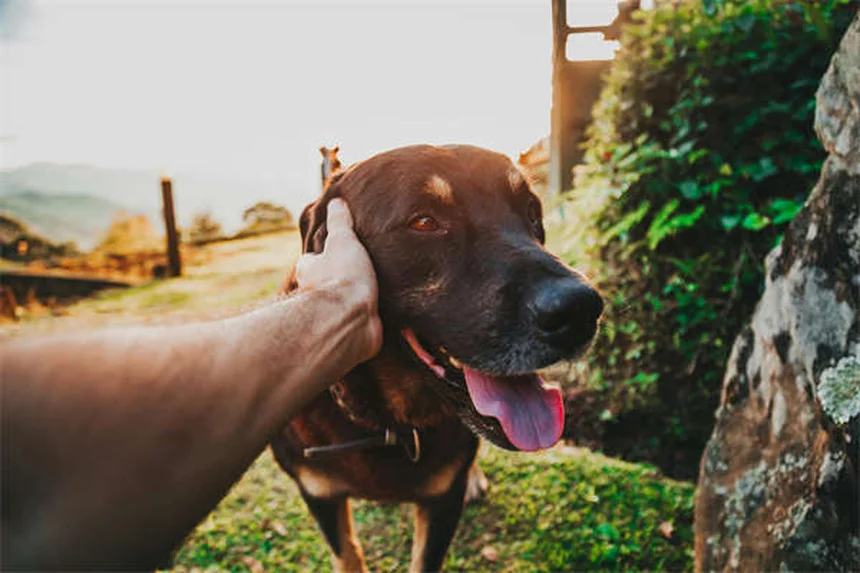 Photos provided by pixabay
The Dynamic Duo: Desensitization & Counter-Conditioning
Imagine your worst fear - maybe spiders or heights. Now imagine facing it in tiny doses while eating your favorite ice cream. That's essentially what we do for pets! We:
- Start with barely-there exposure
- Pair it with amazing rewards
- Gradually increase intensity
Dr. Wooten gives a perfect pop culture reference: "Remember how Harry Potter defeated boggarts by making them ridiculous? We're doing the same thing - turning scary into silly (or at least tolerable)." For dogs, this might mean pairing the sight of a stranger with chicken treats.
When Treats Aren't Enough: Medication Options
Sometimes the fear is too big for treats alone. That's okay! Modern veterinary medicine offers safe options:
| Medication Type | Best For | Example |
|---|---|---|
| SSRIs | Long-term anxiety | Fluoxetine (Prozac) |
| Benzodiazepines | Acute situations | Alprazolam (Xanax) |
Important note: Never give human meds to pets without vet guidance! Your 50mg tablet could be deadly for a 10lb dog.
Creating a Healing Environment
The Safe Space Debate: Where Should It Be?
Here's where many owners go wrong - we try to choose the safe space for our pets. Big mistake! Your cat might prefer the top shelf of your closet (yes, on your dry cleaning), while your dog might claim under the dining table.
The golden rules:
- Let them pick the spot
- Never disturb them there
- Make it comfy with their scent
 Photos provided by pixabay
The Dynamic Duo: Desensitization & Counter-Conditioning
Ever heard "She just needs more love"? That's like telling someone with a broken leg to walk it off! Dr. Silvani explains: "Traumatized pets often don't want interaction - forcing cuddles can make things worse."
And please, for the love of dog, avoid these "training" methods:
- Shake cans
- Spray bottles
- Prong collars
Long-Term Success Strategies
Is There Such Thing as a "Cured" Pet?
Here's the honest truth - complete "cures" are rare, but dramatic improvement is absolutely possible. Think of it like managing diabetes rather than curing a cold. With the right approach, most pets can:
- Experience significantly less stress
- Enjoy a good quality of life
- Form strong bonds with their humans
When Progress Feels Slow
Ever tried teaching a teenager to clean their room? Pet rehabilitation requires similar patience. Dr. McMillan shares: "We're working with biological beings, not computers. Some pets respond quickly, others need months of tiny steps."
The key is celebrating small victories. Did your dog take a treat near the scary vacuum today? That's huge! Progress might look like:
- Week 1: Hides when doorbell rings
- Week 4: Stays in room (but tense)
- Week 8: Approaches for treats after doorbell
Preventing Future Trauma
 Photos provided by pixabay
The Dynamic Duo: Desensitization & Counter-Conditioning
While we can't bubble-wrap our pets' lives, we can stack the odds in their favor. Early socialization is like childhood vaccinations - it builds resilience. Here's how:
- Positive exposure to various people/situations
- Respect for their comfort zones
- Building confidence through training
Remember that viral video of the puppy meeting a vacuum for the first time? That's prevention in action - making new experiences positive from the start!
When to Seek Professional Help
Don't play Dr. Google with your pet's mental health. Seek a certified behaviorist if you notice:
- Self-harm behaviors
- Complete withdrawal
- Aggression that's escalating
As Dr. Bright wisely says: "There's no shame in needing help. These professionals have spent years learning how to speak 'dog' and 'cat' - let them translate for you!"
The Science Behind Pet Emotions
What's Really Going On in Their Brains?
You know that warm fuzzy feeling when your dog greets you? Turns out, their brains light up just like ours during happy moments! Recent MRI studies show dogs experience emotions in the same brain regions as humans. That tail wag isn't just reflex - it's genuine joy.
But here's something wild - cats actually share 90% of our emotional brain structures. That aloof behavior? It's often misunderstood. Your feline friend might be showing affection in ways you're missing. Slow blinks? That's their version of a hug!
The Surprising Similarities Between Pet and Human PTSD
Ever wonder why fireworks terrify so many dogs? Their trauma responses mirror ours in fascinating ways:
| Symptom | Humans | Dogs |
|---|---|---|
| Hypervigilance | Constantly scanning for danger | Pacing, unable to settle |
| Flashbacks | Reliving traumatic events | Reacting to similar sounds/smells |
Dr. Johnson's research shows that traumatized pets can develop actual neural pathways that keep them stuck in fear mode. But the good news? Their brains can rewire with proper care - just like ours!
Beyond Dogs and Cats: Other Pets Need Help Too
Birds: The Overlooked Emotional Geniuses
Parrots aren't just pretty faces - they're emotional powerhouses! Did you know an African Grey parrot can experience grief so intense it stops eating? Bird trauma often shows up as feather plucking or sudden aggression.
Here's a fun fact: Many parrots develop stronger bonds with their human than with other birds. When that bond breaks (through rehoming or neglect), the emotional fallout can last years. But with patience and the right approach, even the most traumatized birds can learn to trust again.
Small Mammals Need Love Too
Think rabbits and guinea pigs don't have complex emotions? Think again! These little guys can develop deep-seated fears from rough handling or loud noises. Ever seen a rabbit thump its feet in warning? That's their version of a panic attack.
The key with small pets? Slow movements and quiet voices. Unlike dogs, they don't respond well to enthusiastic greetings. Imagine being a 2-pound creature facing a giant hand coming at you - no wonder they get scared!
The Power of Play in Healing
Why Play Therapy Works Wonders
You know how playing with kids helps them process tough stuff? Same goes for pets! Interactive play builds confidence and creates positive associations. For dogs, tug-of-war can be therapeutic (when done right). For cats, feather wands help rebuild their hunting confidence.
But here's the catch - you've got to let them win sometimes. Constant "losing" can reinforce feelings of helplessness. Watch their body language closely - when play stops being fun, it's time to stop.
Can Toys Really Help With Trauma?
Absolutely! Puzzle feeders do double duty - they distract from anxiety while building problem-solving skills. For dogs scared of strangers, a stuffed Kong can create positive associations during visits.
Ever tried a snuffle mat? These simple tools tap into natural foraging instincts, reducing stress hormones. It's like meditation for pets! The best part? You can make one from old towels and treats.
The Human-Pet Connection
How Your Emotions Affect Your Pet
Here's something wild - your stress literally rubs off on your pet! Studies show dogs mirror their owner's cortisol levels. If you're anxious about your dog's fear, you might accidentally make it worse.
But the flip side is beautiful - your calm can become their calm. Deep breathing exercises? They work for both of you. Next time your pet gets scared, try this: Take three slow breaths before reacting. You'll be amazed how they respond!
The Healing Power of Routine
Ever notice how kids thrive on schedules? Pets are the same! Predictability builds security. For traumatized animals, knowing what comes next is incredibly comforting.
Here's a simple trick that works wonders: Create "anchor points" in their day. Maybe it's morning cuddles or after-dinner play. These become emotional safe harbors amidst life's storms. Even small routines - like always entering a room the same way - can reduce anxiety.
When Professional Help Is Needed
What Can a Veterinary Behaviorist Do That I Can't?
Think of them as pet psychologists with medical training! They can:
- Identify subtle body language cues you're missing
- Create customized treatment plans
- Prescribe medications when appropriate
Here's an eye-opener: Many behavior issues have medical roots. That "aggressive" cat might have arthritis pain. A good behaviorist will rule out physical causes first.
Alternative Therapies Worth Considering
Beyond traditional methods, some surprising options show promise:
- TTouch massage (gentle circular movements)
- Adaptil pheromone diffusers
- Acupuncture for anxiety
Dr. Chen's clinic reports 85% success rates combining acupuncture with behavior modification for noise phobias. Who knew ancient Chinese medicine could help modern pets?
E.g. :How to Heal an Emotionally Traumatized Pet | PetMD
FAQs
Q: How can I tell if my pet's behavior is due to trauma or just personality?
A: This is one of the most common questions pet owners ask! While some animals are naturally more cautious, trauma responses tend to be more extreme and specific. For example, a shy dog might avoid strangers, but a traumatized dog may panic, lose bladder control, or become aggressive when approached. Key indicators of trauma include sudden changes in behavior, extreme reactions to specific triggers, and physical symptoms like shaking or excessive drooling. If your previously social cat now hides all day after a home renovation, that's likely trauma. The good news? With patience and proper techniques, these responses can often be improved.
Q: What's the difference between desensitization and counter-conditioning?
A: Great question! These two techniques often work together but serve different purposes. Desensitization is about gradual exposure - we start with the trigger at such a low intensity that your pet notices but doesn't react (like seeing another dog 100 feet away). Counter-conditioning then changes your pet's emotional response by pairing the trigger with something amazing (like chicken treats!). Think of it this way: desensitization helps your pet tolerate the trigger, while counter-conditioning helps them actually feel good about it. Most behaviorists recommend using both methods together for best results.
Q: Are anxiety medications safe for pets long-term?
A: Many pet parents worry about this, and it's smart to ask! When prescribed and monitored by a vet, medications like fluoxetine (Prozac for pets) can be safely used long-term. These aren't sedatives - they help rebalance brain chemistry just like human antidepressants. The key is working with a veterinary behaviorist who can find the lowest effective dose and combine meds with behavior modification. I've seen medications give traumatized pets the "brain space" to learn new, positive associations they couldn't make while in constant fear.
Q: How long does it typically take to see improvement?
A: I wish I could give a one-size-fits-all answer, but healing timelines vary as much as pets themselves! Factors that affect progress include: how long the trauma lasted, your pet's age, and how consistent you are with training. Some pets show improvement in weeks, while severe cases may take months. The important thing is celebrating small victories - if your terrified dog now takes treats while hearing a recording of thunder at low volume, that's huge progress! Set realistic expectations and remember: slow and steady wins this race.
Q: Can I make my pet's trauma worse by accident?
A: This concern shows what a caring pet parent you are! Yes, well-meaning mistakes can sometimes set progress back. Common pitfalls include: moving too fast with exposure (flooding), comforting your pet in ways that reinforce fear ("It's okay" with petting during panic), or using punishment that increases anxiety. The golden rule? Let your pet set the pace and always work below their fear threshold. If you're unsure, consulting a certified behaviorist can help you avoid these missteps while building trust with your furry friend.