
Should you let your dog on the couch? The answer is: it depends on your household rules and your dog's behavior! While many pet parents love snuggling with their pups on furniture, others prefer keeping four paws on the floor - and both approaches are completely valid. The most important factor is consistency. If you decide to allow couch access, everyone in the family must enforce the same rules. Otherwise, you're setting your dog up for confusion and frustration.Here's what I've learned from 10 years of dog training: couch privileges should never come at the expense of good behavior. If your dog growls when approached on furniture (a sign of resource guarding), it's time to establish clear boundaries. The good news? With positive reinforcement and patience, you can teach your dog to happily relax in their own space - whether that includes couch cuddles or not!
E.g. :Best Flea and Tick Prevention for Dogs and Cats: Top Options Compared
- 1、To Couch or Not to Couch: The Great Dog Debate
- 2、Setting Boundaries: How to Keep Paws Off Furniture
- 3、Training Tactics That Actually Work
- 4、Troubleshooting Common Problems
- 5、Real-Life Success Stories
- 6、Your Action Plan
- 7、The Science Behind Dog Behavior
- 8、Alternative Solutions for Happy Coexistence
- 9、Seasonal Considerations
- 10、The Emotional Connection
- 11、When to Break Your Own Rules
- 12、FAQs
To Couch or Not to Couch: The Great Dog Debate
Why This Decision Matters More Than You Think
Picture this: you're curled up on your favorite couch with your furry best friend, watching Netflix. Pure bliss, right? But wait - is this actually good for your dog's behavior? The couch debate divides dog owners everywhere, and I'm here to help you navigate it like a pro.
Here's the truth: there's no universal right answer. Some families love snuggling with their pups on furniture, while others prefer keeping four paws on the floor. The key? Consistency across all family members. If Mom says "yes" but Dad says "no," you're setting your dog up for confusion - and yourself for frustration.
The Surprising Benefits of Couch Sharing
Did you know that a 2018 study found women actually sleep better with dogs in bed? That's right - your pup might be the ultimate sleep aid! Beyond cozy cuddles, furniture access can:
- Strengthen your bond through physical closeness
- Provide comfort for older dogs with joint issues
- Create perfect Instagram-worthy moments (let's be real)
But before you turn your couch into a doggy lounge, consider this: is your furniture ready for the fur-pocalypse? Between shedding, muddy paws, and the occasional chew mark, your pristine couch might never look the same.
Setting Boundaries: How to Keep Paws Off Furniture
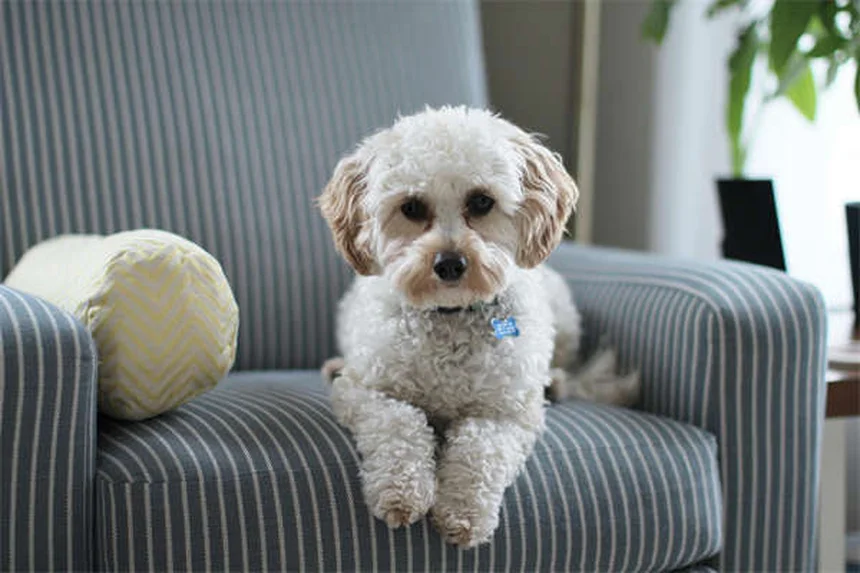 Photos provided by pixabay
Start Early for Best Results
Think of puppy training like building a house - the foundation matters most. If you establish a "no couch" rule from day one, you'll save yourself headaches later. Here's my pro tip: make the floor more exciting than the furniture!
| Puppy Age | Success Rate | Training Time Needed |
|---|---|---|
| 8-12 weeks | 90% | 1-2 weeks |
| 6-12 months | 70% | 3-4 weeks |
| Adult dogs | 50% | 4+ weeks |
For older rescue dogs with established couch habits? Don't panic! While it takes more patience, even senior pups can learn new tricks with the right approach.
Create a Doggy Paradise
Why would your dog choose a boring floor bed over your plush couch? They wouldn't - unless you make their space irresistible. Here's how to win the comfort battle:
First, observe where your dog naturally hangs out. That corner by the window with perfect sunlight? Bingo - that's prime real estate for their bed. Then invest in quality bedding - memory foam for older dogs, raised cots for warm climates, or bolsters for leaners.
Pro tip: rotate 2-3 beds to keep things fresh. My golden retriever goes nuts for his cooling gel mat in summer and plush cave bed in winter. Variety is the spice of doggy life!
Training Tactics That Actually Work
The Power of Positive Reinforcement
Ever tried yelling "off!" for the hundredth time? Yeah, that rarely works. Instead, let's play a game called "Best Bed Ever" with these simple steps:
- Place treats on their bed throughout the day (free snacks!)
- Celebrate like they won the lottery when they choose their bed
- Practice "go to bed" commands during calm moments
Here's a secret: dogs do what works. If the couch gets them attention (even negative) and the bed gets them nothing, guess where they'll go? Make their bed the happiest place on earth with praise, pets, and the occasional hidden treat.
 Photos provided by pixabay
Start Early for Best Results
Can you imagine if traffic lights changed rules daily? That's how dogs feel with inconsistent furniture rules. Whether you allow couch access or not, every family member must enforce the same rules.
I learned this the hard way when my husband "secretly" let our beagle on the bed. Cue months of begging at my side of the bed! The solution? Weekly family meetings to align on dog rules, plus fun alternatives like floor cuddle sessions.
Troubleshooting Common Problems
When Your Dog Guards the Couch
Does your sweet pup turn into Cujo when you approach "their" couch? This resource guarding is serious business. First, stop all furniture access immediately. Then call a certified behaviorist - this isn't a DIY fix.
Remember: growling is communication, not aggression. Your dog's saying "I'm uncomfortable," not "I'm evil." Professional help can teach them to feel safe without furniture guarding.
Dog-Proofing Your Furniture
For those committed to keeping couches dog-free, here are humane solutions:
- Remove cushions to make surfaces less inviting
- Use baby gates to block access when unsupervised
- Try citrus sprays (many dogs hate the smell)
Important: Never use scare tactics like loud noises or shock mats. You'll damage trust with your pup faster than you can say "bad dog."
Real-Life Success Stories
 Photos provided by pixabay
Start Early for Best Results
Take Max, a 3-year-old lab who lived for couch time. His owners tried everything - until they discovered his love for frozen Kongs. Now, his extra-comfy bed comes with daily stuffed Kongs, making the floor his favorite spot.
The lesson? Find your dog's currency. For some it's food, others toys or affection. Crack that code, and you've won half the battle.
The Power of Patience
When Sarah adopted senior dog Bella, the couch habits seemed impossible to break. But after six weeks of consistent training (and finding the perfect orthopedic bed), Bella now happily snoozes in her own space.
This proves that while older dogs may learn slower, they absolutely can change. The secret? Celebrate small wins and remember - every dog learns at their own pace.
Your Action Plan
Step-by-Step Implementation
Ready to transform your furniture habits? Here's your roadmap:
1. Family Meeting: Get everyone on the same page about rules
2. Bed Shopping: Find the perfect bed for your dog's needs
3. Treat Stations: Stock the bed area with high-value rewards
4. Training Sessions: 5-minute daily practice of "go to bed"
5. Management: Use gates or closed doors when unsupervised
Remember, Rome wasn't built in a day - and neither are perfect dog habits. Stick with it, and soon you'll have both a well-behaved pup and a fur-free couch!
The Science Behind Dog Behavior
Understanding Your Dog's Mindset
Ever wonder why your dog acts like the couch is their personal throne? It's not just about comfort - it's about pack mentality. In the wild, higher elevations mean higher status. When your pup claims the couch, they're essentially saying "I'm the boss here!"
But here's the fascinating part: research shows dogs actually don't try to dominate us like wolves do. That old "alpha dog" theory? Totally debunked! Your dog just wants to be near their favorite human - that's you. The warmth, the smells, the leftover popcorn crumbs... it's all about connection, not conquest.
The Comfort Factor You Haven't Considered
Let's talk about doggy joints. Did you know that by age 7, most dogs show early signs of arthritis? That plush couch might actually be better for them than hard floors. Here's a quick comparison:
| Sleeping Surface | Pressure Points | Joint Support |
|---|---|---|
| Hard Floor | High | Poor |
| Standard Dog Bed | Medium | Good |
| Memory Foam Couch | Low | Excellent |
Now, doesn't that make you look at your couch-hogging pup differently? Maybe they're not being stubborn - maybe they're just being smart about their aging body!
Alternative Solutions for Happy Coexistence
Designated Doggy Furniture
Why choose between your comfort and your dog's when you can have both? More pet furniture companies are creating stylish solutions that blend with your decor. From miniature sofas to window perches, these options give dogs their own special spots without banning them from human furniture entirely.
I recently tried the "Furhaven Pet Lounge" - basically a dog-sized recliner - and my lab mix abandoned my couch completely. The secret? It's positioned right next to "my spot" on the real couch, so he still feels included in family time.
The Power of Scent Markers
Here's a trick most trainers won't tell you: dogs navigate the world through their nose. By rubbing a soft cloth on your dog's face and placing it in their bed, you're essentially scent-marking their space as "theirs." It's like hanging a "Reserved" sign in dog language!
Combine this with regular washing of your couch covers (to remove their scent), and you've got a powerful one-two punch for redirecting where they choose to lounge. Just be patient - scent habits take about 3 weeks to really stick.
Seasonal Considerations
Summer Survival Strategies
When temperatures rise, your leather couch becomes a canine slip 'n slide of sweat. Dogs don't sweat like we do - they rely on panting and paw pads to cool down. That's why in summer, you might notice:
- Increased couch avoidance (too hot!)
- More floor-sprawling behavior
- Seeking out tile or cool surfaces
This is the perfect time to introduce cooling mats or elevated cots. My pro tip? Freeze a towel for 30 minutes and lay it over their bed - instant pup-sicle paradise!
Winter Woes and Solutions
Ever notice how your dog becomes your personal space heater when the thermostat drops? Smaller breeds especially struggle with cold floors. That's when furniture sharing becomes less about training and more about survival.
Consider these cold-weather compromises: designate one "dog-friendly" chair with a washable blanket, or invest in a heated pet bed placed near your usual sitting area. Your pup gets warmth, you keep your couch - everyone wins!
The Emotional Connection
Separation Anxiety Factors
Here's something heartbreaking but important: dogs often seek out our scent when we're gone. That's why they sleep in our beds or on our couches - it smells like safety and love. If your dog has separation anxiety, banning furniture access might actually make the problem worse.
Instead, try this: leave an unwashed t-shirt in their approved sleeping area when you leave. The familiar scent can reduce stress by up to 40% according to recent studies. Combine this with gradual alone-time training, and you'll see improvements in both furniture habits and anxiety levels.
Bonding Through Touch
Did you know petting a dog for just 15 minutes can lower your blood pressure? And it works both ways! Physical contact releases oxytocin (the "love hormone") in both humans and dogs. This explains why couch cuddles feel so darn good for everyone involved.
If you do allow furniture access, make it quality time - not just lazy lounging. Ten minutes of intentional pets and praise on the couch, then redirect to their bed with a chew toy. This satisfies their need for connection while maintaining boundaries.
When to Break Your Own Rules
Special Occasion Exceptions
Let's be real - sometimes rules are made to be broken. Sick days, thunderstorms, or just those extra-hard days when both you and your pup need extra love. Temporary exceptions won't ruin your training if you're consistent 90% of the time.
The key is making it obvious when it's "special couch time." I use a specific blanket that only comes out for movie nights or storms. My dogs now associate that blanket with "okay to snuggle" times, which helps maintain boundaries the rest of the week.
Senior Dog Considerations
As dogs age, their needs change dramatically. That 12-year-old lab who could easily jump on the couch at 2? Now it's a struggle. This is when I advocate for compassionate rule changes - maybe adding pet stairs or designating one low couch as "senior approved."
Quality of life matters more than perfect obedience in their golden years. If couch access keeps them comfortable and happy in their final seasons, that's a gift worth giving. Just be sure to protect your furniture with washable covers!
E.g. :How do I keep my dog off the couch? : r/Dogtraining
FAQs
Q: Is it bad to let my dog sleep on the couch?
A: Letting your dog on the couch isn't inherently bad, but there are important considerations. From my experience training hundreds of dogs, couch access works best when it's a privilege rather than a right. If your dog shows any signs of resource guarding (growling, stiffening when approached), it's safer to keep them off furniture entirely. Otherwise, as long as everyone in your home agrees on the rules and your dog respects boundaries, couch time can actually strengthen your bond. Just be prepared for extra vacuuming!
Q: How do I stop my dog from jumping on the couch when I'm not home?
A: Management is key when you can't supervise! I recommend these humane solutions that actually work: first, try removing couch cushions to make the surface less inviting. Many dogs won't bother with just the springs. You can also use baby gates to block access to the living room, or create an irresistible alternative space with a high-value dog bed stocked with chew toys. The secret? Make their approved space more appealing than your couch through positive reinforcement training.
Q: Why does my dog growl when I try to move them off the couch?
A: This is classic resource guarding behavior, and it's why I always tell clients: "When in doubt, call a professional." Growling means your dog feels threatened about losing access to something valuable (in this case, the couch). It's not dominance or spite - it's anxiety. The safest approach is to immediately stop all furniture access and contact a certified behavior consultant. With proper behavior modification, most dogs can learn to feel secure without guarding furniture.
Q: What's the best dog bed alternative to my couch?
A: After testing dozens of beds with my own dogs, I've found success comes from matching the bed to your dog's needs. For senior dogs, go for orthopedic memory foam. Warm-climate pups love raised cooling cots. Anxious dogs often prefer bolster beds that provide security. My pro tip: buy two different types and see which your dog chooses naturally. Place it near (but not right next to) the couch at first, then gradually move it to your preferred location as your dog builds positive associations.
Q: How long does it take to train a dog to stay off furniture?
A: The training timeline varies dramatically based on your dog's age and history. Puppies with no couch experience can learn in 1-2 weeks with consistent training. Adult dogs with established habits typically need 3-4 weeks of daily practice. For rescues with years of couch access, plan on a month or more. Remember: consistency is everything. If even one family member occasionally allows couch access, you're essentially starting the training over from scratch each time.