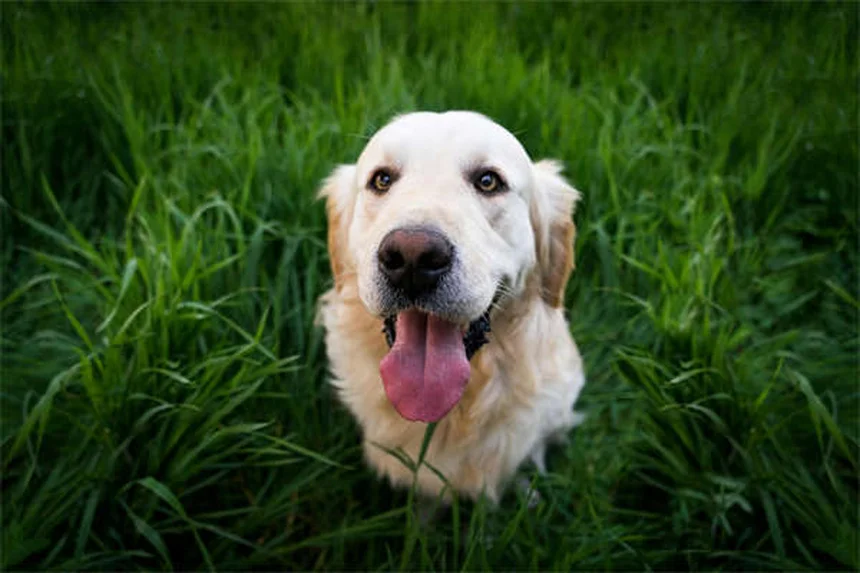
Are your cleaning products safe for dogs? The answer might surprise you - many common household cleaners contain chemicals that are dangerous for your furry friend. As a dog owner myself, I've learned the hard way that products like bleach, ammonia, and even some natural cleaners can cause serious health issues for pets.You're probably using at least one of these harmful products right now without realizing it. That fresh linen scent from your fabric spray? Could contain hormone-disrupting chemicals. Those convenient toilet bowl cleaners? Basically toxic lollipops for curious pups. But don't worry - I'll share the exact pet-safe alternatives I've switched to after my own scary experiences with cleaning product dangers.
E.g. :7 Common Dog Bathing Mistakes You're Probably Making
- 1、Dangerous Cleaning Products You Might Be Using Right Now
- 2、Hidden Dangers in Everyday Cleaning Products
- 3、Surprising Products You Wouldn't Expect to Be Dangerous
- 4、How to Clean Safely With Dogs Around
- 5、Pet-Safe Cleaning Alternatives That Actually Work
- 6、When Accidents Happen - What to Do
- 7、The Psychology Behind Our Cleaning Choices
- 8、The Science of Pet-Safe Cleaning
- 9、Real-Life Cleaning Disasters (And How to Avoid Them)
- 10、Beyond Cleaning Products - Hidden Household Hazards
- 11、Making the Switch - Easier Than You Think
- 12、When Professional Cleaning is Necessary
- 13、FAQs
Dangerous Cleaning Products You Might Be Using Right Now
Bleach - The Silent Killer in Your Mop Bucket
You know that strong chemical smell when you mop the floors? That's bleach doing its job - but it might be doing more harm than good for your furry friend. Bleach contains sodium hypochlorite, which can cause serious respiratory issues and chemical burns if your dog licks treated surfaces.
Last week, my neighbor's golden retriever Max got into some freshly bleached bathroom tiles. Poor guy ended up at the emergency vet with mouth ulcers and vomiting. The vet bill? A whopping $850! That's when I realized we need to be way more careful about what cleaning products we use around our pets.
Ammonia-Based Cleaners - Double Trouble
Ever wonder why your dog sneezes when you clean the windows? Many glass cleaners contain ammonia, which irritates their sensitive noses. What's worse - ammonia smells similar to urine to dogs, which might encourage them to "mark" cleaned areas again.
Pro tip: If you must use ammonia products, keep your dog in another room until surfaces are completely dry. Better yet - try this simple alternative:
| Product | Danger Level | Pet-Safe Alternative |
|---|---|---|
| Bleach | High | Hydrogen peroxide (3% solution) |
| Ammonia | Medium-High | Vinegar and water (1:1 ratio) |
Hidden Dangers in Everyday Cleaning Products
 Photos provided by pixabay
Fabric Fresheners - More Than Just a Pleasant Scent
That "fresh linen" smell might be masking something dangerous. Many fabric sprays contain phthalates and formaldehyde - chemicals linked to hormone disruption and cancer. When your dog snuggles into treated fabrics, they're breathing in these toxins.
Here's a scary thought: Did you know dogs have 300 million olfactory receptors compared to our measly 6 million? That means chemical smells we barely notice can overwhelm your pup's sensitive nose.
Automatic Toilet Cleaners - Not So Automatic Safety
Those handy toilet bowl cleaners that clip to the rim? They're like toxic lollipops for curious dogs. The blue water might look interesting, but it often contains alkyl dimethyl benzyl ammonium chloride - a mouthful that spells trouble for pets.
I learned this the hard way when my beagle, Biscuit, decided to take a drink from the toilet. $300 vet visit later, we switched to manual cleaning with pet-safe products.
Surprising Products You Wouldn't Expect to Be Dangerous
Essential Oil Cleaners - Natural Doesn't Always Mean Safe
Wait - aren't essential oils natural? Yes, but that doesn't make them safe for dogs. Tea tree oil, peppermint, and citrus oils can cause neurological issues in dogs even in small amounts.
Fun fact: A dog's liver processes toxins differently than ours. What's harmless to us could be deadly to them. That's why you should always check if cleaning products contain these oils before using them around your pup.
 Photos provided by pixabay
Fabric Fresheners - More Than Just a Pleasant Scent
Those fragrant powders you sprinkle before vacuuming? They linger in carpets much longer than you think. When your dog lies down, these particles can irritate their skin and be ingested through grooming.
Did you know most carpet powders contain sodium borate? This compound can cause kidney damage with repeated exposure. Instead, try baking soda - it absorbs odors without the risk!
How to Clean Safely With Dogs Around
Read Labels Like a Detective
Turn that bottle around and scan for danger words: "danger," "warning," "caution." These signal varying levels of toxicity. Better yet, look for products specifically labeled pet-safe.
Here's my personal rule: If I wouldn't want it on my skin, I don't use it where my dog might contact it. Simple as that!
Create a Cleaning Routine That Works for Both of You
Timing is everything. Clean when your dog is out for a walk or in another room. Make sure surfaces are completely dry before letting them back in. And always store cleaners in secured cabinets - dogs can be surprisingly clever about getting into things!
Remember how I mentioned Biscuit and the toilet? Now we have a strict "lid down" policy and clean the bathroom when he's at doggy daycare.
Pet-Safe Cleaning Alternatives That Actually Work
 Photos provided by pixabay
Fabric Fresheners - More Than Just a Pleasant Scent
White vinegar cuts through grease, deodorizes, and disinfects - all without harming your pup. Mix equal parts vinegar and water in a spray bottle for an all-purpose cleaner that costs pennies per batch.
Bonus: Vinegar helps repel fleas! Just add a cup to your dog's final rinse water during bath time (avoid eyes and open wounds).
Baking Soda - The Magic Powder
Sprinkle it on carpets before vacuuming to absorb odors. Make a paste with water to scrub tough stains. It's safe, effective, and ridiculously cheap. What's not to love?
Pro tip: For really stinky dog beds, sprinkle baking soda, let sit for 15 minutes, then vacuum. Works like a charm every time!
When Accidents Happen - What to Do
Recognizing Poisoning Symptoms
Watch for excessive drooling, vomiting, difficulty breathing, or unusual behavior. If you suspect poisoning, act fast - every minute counts.
Keep your vet's number and the ASPCA Animal Poison Control Center (888-426-4435) handy. I have them saved in my phone and posted on the fridge - just in case.
Creating an Emergency Plan
Know where your nearest 24-hour animal hospital is. Keep a pet first-aid kit with activated charcoal (only use if directed by a vet), hydrogen peroxide, and bandages.
Practice this mantra with me: "Better safe than sorry." A little preparation can save your dog's life and your peace of mind.
The Psychology Behind Our Cleaning Choices
Why We Reach for Harsh Chemicals
Ever notice how cleaning product commercials always show sparkling results in 30 seconds? We've been conditioned to associate strong chemical smells with effectiveness. But here's the thing - that lemony fresh scent is often just masking the real dirt rather than eliminating it.
I used to think my home wasn't clean unless I could smell the bleach. Then I adopted my rescue dog Charlie, who would literally run and hide when I brought out the mop. That's when I realized - if it's making my dog uncomfortable, maybe it's not as safe as the label claims.
The Marketing Tricks That Fool Us
"Kills 99.9% of germs!" sounds impressive, but did you know many pet-safe alternatives achieve similar results? Companies spend millions making us believe we need industrial-strength cleaners for basic household messes.
Here's a funny story - my cousin once bought this "extreme power" cleaner that came with gloves and goggles. Turns out, it was basically just concentrated vinegar with blue dye! We laughed, but it shows how packaging can deceive us.
The Science of Pet-Safe Cleaning
How Dogs Process Chemicals Differently
You know how chocolate makes dogs sick but we eat it just fine? Same principle applies to cleaning products. A dog's liver lacks certain enzymes we have, meaning toxins stay in their system longer.
For example, that lavender-scented floor cleaner might give you a mild headache, but could cause full-body tremors in your 15-pound terrier. Scary thought, isn't it?
Air Quality Factors We Never Consider
Chemicals don't just disappear when surfaces dry - they become part of your home's air quality. Dogs spend most of their time near the floor where chemical residues settle.
Think about it - when was the last time you laid on your kitchen floor for hours? Your dog does this daily, breathing in whatever you've used to clean those surfaces.
Real-Life Cleaning Disasters (And How to Avoid Them)
The Toilet Bowl Cleaner Incident
My friend's Labrador once turned blue after drinking from a freshly cleaned toilet. $1,200 later, they learned automatic cleaners continuously release chemicals into the water.
Now they use these simple alternatives:
- Baking soda scrub for stains
- Vinegar soak for mineral deposits
- Old-fashioned elbow grease for everything else
The Carpet Powder Catastrophe
A client's pug developed mysterious rashes until we traced it back to their weekly carpet treatment. The "fresh rain" scent contained five different irritants!
We switched to this simple routine:
| Problem | Commercial Solution | Pet-Safe Alternative |
|---|---|---|
| Odors | Chemical powders | Baking soda + vacuum |
| Stains | Foaming sprays | Club soda + microfiber |
Beyond Cleaning Products - Hidden Household Hazards
Laundry Detergent Residues
Ever notice your dog chewing on freshly washed towels? Those "brightening" agents in detergent can be irresistible - and toxic - to pets.
I switched to fragrance-free, dye-free detergent after my dog licked a pile of clean laundry and got sick. Now I do an extra rinse cycle too - small price for peace of mind.
Scented Plug-Ins and Candles
That cozy vanilla candle? Could be pumping out chemicals worse than cigarette smoke for your dog's lungs. Many air fresheners contain volatile organic compounds (VOCs) that accumulate in pet fur.
Pro tip: Simmer citrus peels and cinnamon sticks instead. Makes your home smell like Thanksgiving and won't harm your pup!
Making the Switch - Easier Than You Think
The 30-Day Challenge
Try replacing one cleaning product each week with a pet-safe alternative. Start with floor cleaners (since pets walk on them), then move to surfaces they might lick.
You'll be shocked how well simple ingredients work. My stainless steel has never been shinier since I started using vinegar and olive oil!
Involving Your Whole Family
Get kids involved by making DIY cleaners together. My nieces love mixing baking soda and essential oils (pet-safe ones!) to create custom scents.
It's become our Saturday tradition - we call it "Science Lab Day." The dogs supervise from a safe distance, tails wagging!
When Professional Cleaning is Necessary
Choosing Pet-Safe Services
Need carpet shampooing or deep cleaning? Ask providers these key questions:
- What chemicals do you use?
- How long until pets can re-enter?
- Do you offer enzyme-based alternatives?
I found a fantastic local company that uses plant-derived cleaners. They even provide a certificate showing their products meet veterinary safety standards!
Post-Cleaning Protocols
After professional cleaning, I always:
- Open all windows for ventilation
- Wipe down surfaces with water
- Wait the recommended time before letting pets back in
Remember - just because it's "professional grade" doesn't automatically mean it's pet-safe. Always verify!
E.g. :6 Cleaning Products That Can Harm Your Pets | PetMD
FAQs
Q: Is bleach really that dangerous for dogs?
A: Absolutely! Bleach contains sodium hypochlorite which can cause chemical burns in your dog's mouth and throat if they lick treated surfaces. I've seen cases where dogs developed serious respiratory issues just from breathing in bleach fumes during floor cleaning. The scary part? Many people don't realize how toxic it is until their dog gets sick. Instead of bleach, try using a 3% hydrogen peroxide solution - it disinfects just as well without the dangerous side effects. Always make sure to keep your dog away from any area you've cleaned until it's completely dry.
Q: Why are ammonia-based cleaners bad for dogs?
A: Ammonia is double trouble for dogs. First, it irritates their sensitive noses - that's why your pup might sneeze when you clean windows. Second (and this is wild), ammonia smells similar to urine to dogs, which can actually encourage them to "mark" cleaned areas again. I recommend switching to a simple vinegar and water solution (1:1 ratio) for glass cleaning. It works just as well, leaves no streaks, and won't irritate your dog's nose or trigger unwanted behaviors.
Q: Are essential oil cleaners safe since they're natural?
A: Here's the thing about "natural" cleaners - natural doesn't always mean safe for dogs. Many essential oils like tea tree, peppermint, and citrus can cause neurological issues in dogs even in small amounts. Their livers process toxins differently than ours. I made this mistake myself before learning better - now I always check product labels for these ingredients. If you want a naturally fresh scent, try simmering cinnamon sticks and orange peels in water instead.
Q: What should I do if my dog ingests a toxic cleaner?
A: First, don't panic but act quickly. Look for symptoms like excessive drooling, vomiting, or difficulty breathing. Immediately call your vet or the ASPCA Animal Poison Control Center (888-426-4435) - I keep this number saved in my phone and on the fridge. Never induce vomiting unless directed by a professional. Having a pet first-aid kit with activated charcoal (only use if directed) and hydrogen peroxide can be lifesaving in these situations.
Q: What's the safest way to clean with dogs in the house?
A: Here's my foolproof system: 1) Always read labels for danger words like "warning" or "caution", 2) Clean when your dog is out of the room or on a walk, 3) Use pet-safe alternatives like vinegar, baking soda, or hydrogen peroxide, and 4) Store all cleaners in secured cabinets. I've learned to treat cleaning products like chocolate - if it's dangerous for my dog, it gets locked up tight. Following these simple steps has given me peace of mind and kept my pups safe.