
Is your dog getting enough exercise? The answer might surprise you! After working with hundreds of dogs, I've learned that most pet owners underestimate their dog's exercise needs. The truth is, a tired dog is a happy dog - and your furry friend might be showing subtle signs they need more activity.Here's the deal: dogs can't tell us when they're bored or restless, but they communicate through behavior. If your pup is gaining weight, destroying your home, or acting withdrawn, these could all be red flags. The good news? With some simple changes to your routine, you can transform your dog's health and behavior. Let me show you how we turned things around for Max - and how you can do the same!
E.g. :DIC in Dogs: Life-Threatening Blood Disorder Explained
- 1、Is Your Dog Getting Enough Exercise? Here's How to Tell
- 2、Sign 1: The Scale Doesn't Lie - Weight Gain
- 3、Sign 2: Your Living Room Looks Like a Tornado Hit It
- 4、Sign 3: Your Social Butterfly Has Become a Wallflower
- 5、Sign 4: Your Dog Could Power a Small City
- 6、Sign 5: The Neighborhood Noise Complaint
- 7、Sign 6: Moving Like They're 100 Years Old
- 8、Making Exercise Fun (For Both of You!)
- 9、Special Considerations for Different Dogs
- 10、Creating a Sustainable Routine
- 11、The Hidden Benefits of Dog Exercise You Never Considered
- 12、Exercise Hacks for Busy Pet Parents
- 13、The Weather-Proof Exercise Guide
- 14、Reading Your Dog's Exercise Language
- 15、When Exercise Isn't Enough
- 16、FAQs
Is Your Dog Getting Enough Exercise? Here's How to Tell
Spotting the Warning Signs
Hey there, fellow dog lovers! Let's talk about something we all worry about - is Fido getting enough exercise? I've been there too, wondering if my golden retriever Max was just being lazy or if he needed more activity. Dogs can't tell us when they're bored or restless, but they sure show it in other ways!
Think about this - when you're cooped up inside all day, don't you start feeling antsy? Dogs experience the same thing, just with more tail wagging and less complaining about the weather. The key is recognizing the signs before they turn into bigger problems.
Sign 1: The Scale Doesn't Lie - Weight Gain
When Your Pup Starts Looking a Little Too Cuddly
Remember that time you noticed your dog's belly dragging a bit when they walked? Yeah, me too. Weight gain in dogs works exactly like it does for humans - too many treats and not enough walks equals extra pounds.
Here's the thing though - it's not just about looks. Extra weight can lead to serious health issues like joint problems and diabetes. Did you know that just 20 extra minutes of walking daily can make a huge difference? I started taking Max on an extra loop around the block after dinner, and within a month, his vet noticed the change!
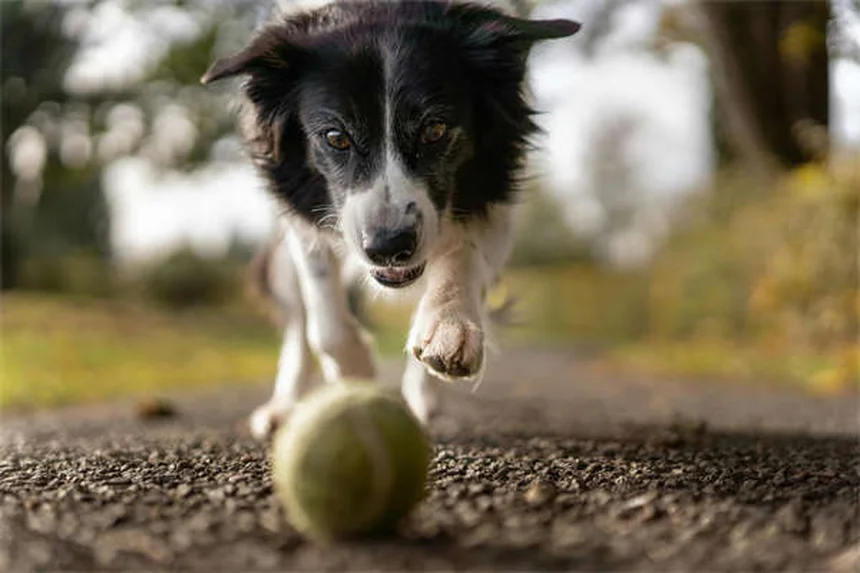 Photos provided by pixabay
Creating a Balanced Routine
Let's break it down simply:
| Activity | Calories Burned (30 lb dog) | Equivalent in Treats |
|---|---|---|
| 30 min walk | 100 calories | 1 medium dog biscuit |
| 15 min fetch | 150 calories | 1.5 slices of cheese |
| 1 hour dog park | 300 calories | 3 tablespoons peanut butter |
See how quickly those little treats add up? The solution isn't cutting out snacks completely, but balancing them with fun activities. Try swapping one treat session for a quick game of tug-of-war - your dog won't even notice the difference!
Sign 2: Your Living Room Looks Like a Tornado Hit It
When Chewing Becomes Destructive
Oh boy, do I have a story for you! Last winter, I came home to find my favorite shoes... well, let's just say they became modern art. Destructive behavior is often just pent-up energy screaming for release.
Here's what I learned the hard way - a tired dog is a well-behaved dog. High-energy breeds especially need that daily outlet. Think of it like a toddler with unlimited candy - that energy has to go somewhere!
Turning Chaos Into Productive Play
Ever notice how your dog goes straight for your stuff instead of their toys? There's a reason for that! Your scent makes items more interesting. Try rubbing their favorite toy on your hands before leaving - it makes it smell like you!
Here are some lifesavers I've discovered:
- Puzzle feeders make mealtime last longer
- Frozen Kong toys keep them busy for hours
- Rotating toys keeps things fresh and exciting
Sign 3: Your Social Butterfly Has Become a Wallflower
 Photos provided by pixabay
Creating a Balanced Routine
This one really scared me when it happened with Max. Suddenly my always-ready-to-play pup didn't even lift his head when I grabbed the leash. Turns out, lack of exercise can make dogs depressed just like people!
But here's an important question: Is your dog just bored, or could it be something more serious? Always check with your vet first, especially if the change is sudden. Thyroid issues and other health problems can mimic exercise deficiency.
Bringing Back the Spark
The solution? Make exercise exciting again! Try these tricks I've used:
- Change up walking routes - new smells = mental stimulation
- Introduce new games - flirt poles are amazing for lazy days
- Have "adventure walks" where you let your dog lead
Sign 4: Your Dog Could Power a Small City
When Energy Levels Go Off the Charts
Ever seen a dog do zoomies at 2 AM? Yeah, that was my life before we adjusted Max's routine. Hyperactivity is often just unused potential - like a battery that needs discharging!
Here's something interesting: many "bad behaviors" are actually normal dog behaviors without proper outlets. Chewing, digging, even that annoying jumping - they're all natural actions that exercise can redirect.
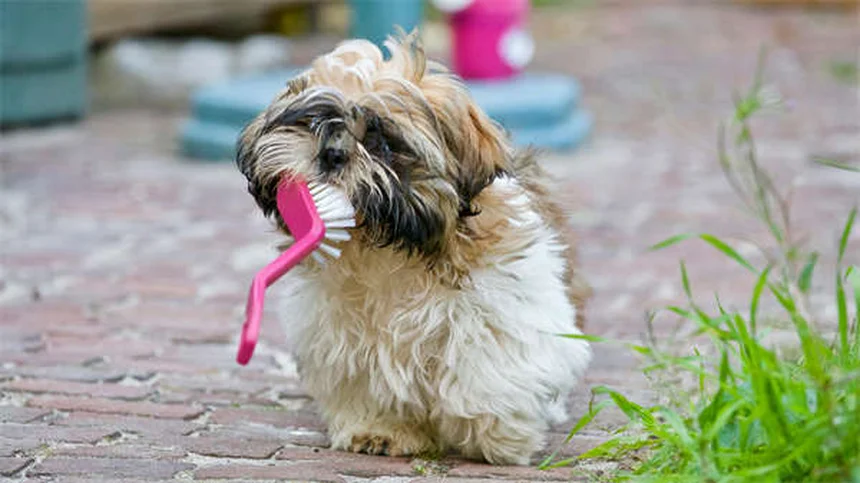 Photos provided by pixabay
Creating a Balanced Routine
Try this simple trick - schedule energy bursts throughout the day. Five minutes of intense play can be more effective than an hour of half-hearted walking. Here's our current schedule:
- Morning: 15 min fetch session
- Afternoon: 10 min training with treats
- Evening: 20 min sniff walk
Sign 5: The Neighborhood Noise Complaint
When Barking Becomes Excessive
My neighbor once joked that Max should get his own radio show with all his "commentary." Excessive vocalization is often a cry for attention and activity.
But here's the thing - are you accidentally rewarding the barking? Even negative attention can reinforce the behavior. Instead, try waiting for quiet moments to give praise and treats.
Quiet Time Strategies
These worked wonders for us:
- "Quiet" command training (takes patience but worth it!)
- White noise machines to drown out triggers
- Scheduled "bark breaks" in appropriate places
Sign 6: Moving Like They're 100 Years Old
When Stiffness Sets In
Watching Max struggle to jump on the couch broke my heart. Joint stiffness sneaks up on older dogs, but regular movement actually helps more than rest!
Did you know that controlled exercise can improve arthritis symptoms? It's true! The key is low-impact activities that keep joints moving without strain.
Senior Dog Fitness
Here's what our vet recommended for Max:
- Short, frequent walks instead of long ones
- Swimming (we use a kiddie pool in summer)
- Gentle stretching sessions
Making Exercise Fun (For Both of You!)
Creative Ways to Get Moving
Let's be honest - sometimes walks get boring for us too! Here are some ways we've kept exercise exciting:
Try "sniffari" walks where your dog chooses the path. Letting them follow interesting smells provides mental exercise too. We've discovered entire new routes this way!
Incorporating Training Into Play
Why just throw a ball when you can make it a learning opportunity? Combine fetch with basic commands for double-duty exercise. Here's our routine:
- "Sit" before throwing
- "Wait" before retrieving
- "Drop it" when returning
Special Considerations for Different Dogs
Brachycephalic Breeds Need Extra Care
Pugs and bulldogs can't handle heat like other dogs. We learned this the hard way when a friend's pug overheated on a warm day. Now we stick to early morning or evening activities.
Puppies vs. Adults
Remember - puppies have growing bones that need protection. Too much high-impact exercise can cause long-term damage. Stick to softer surfaces and shorter sessions.
Creating a Sustainable Routine
Making It Stick
The secret? Find activities you both enjoy. If you hate running, don't force it - try hiking instead! Consistency matters more than intensity.
Tracking Progress
We keep a simple journal to note:
- Energy levels
- Behavior changes
- Favorite activities
After three months of consistent exercise, the difference in Max was incredible - happier, healthier, and (bonus!) better behaved. The effort pays off in wagging tails and peaceful evenings!
The Hidden Benefits of Dog Exercise You Never Considered
Boosting Your Dog's Brain Power
You know exercise keeps your pup physically fit, but did you realize it's like sending them to doggy Harvard? Mental stimulation through physical activity prevents cognitive decline in older dogs. I noticed Max started remembering commands faster after we upped his exercise game.
Here's a fun fact - sniffing during walks activates more of your dog's brain than watching TV does for humans. That's why sniff walks tire dogs out faster than regular walks. Try counting how many times your dog stops to smell - you'll be amazed!
Strengthening Your Bond Beyond Treats
Ever wonder why your dog follows you everywhere after a good play session? Shared physical activity releases oxytocin in both of you - the same "love hormone" that bonds mothers with babies. That post-walk cuddle session isn't just cute, it's science!
I started noticing Max responding better to my commands after our morning fetch sessions. Turns out, exercise builds trust along with muscles. Who knew playtime was actually relationship therapy?
Exercise Hacks for Busy Pet Parents
5-Minute Energy Burners That Actually Work
Think you don't have time to exercise your dog? Try these quick fixes I use on crazy workdays:
Stair sprints - toss treats up the stairs and watch your dog turn into an Olympic athlete. Just 3 minutes of this leaves Max panting happily. Bonus: it counts as your cardio too!
| Time Available | Activity | Effectiveness |
|---|---|---|
| 2 minutes | Hide-and-seek with treats | Mental workout |
| 5 minutes | Tug-of-war | Full-body exercise |
| 10 minutes | Backyard obstacle course | Physical + mental |
Turning Chores Into Exercise
Here's my favorite life hack - multitask your dog's workout with household tasks. When I garden, Max "helps" by digging in his designated sandbox. Folding laundry? He "assists" by retrieving socks (okay, sometimes stealing them).
But wait - is your dog really getting enough exercise from these activities? The answer might surprise you. While these help, they shouldn't replace dedicated exercise time. Think of them as bonus points in your dog's fitness routine!
The Weather-Proof Exercise Guide
Rainy Day Solutions That Don't Involve Destruction
When the weather turns nasty, my living room transforms into a canine gym. Indoor fetch with soft toys saves my furniture from becoming chew victims. Pro tip: use hallway space for longer throws!
Ever tried doggy dancing? Max and I have a routine to "Who Let the Dogs Out" that burns calories and creates hilarious memories. YouTube has great tutorials for beginner dog-and-human dance teams.
Summer Survival Tactics
Hot pavement can burn paws in seconds - I learned this the hard way. Now we stick to early morning/late evening walks and test pavement with my bare hand first. If it's too hot for my hand, it's too hot for paws!
Here's our summer routine:
- 5 AM walks beat the heat
- Kiddie pool with ice cubes for afternoon cool-down
- Frozen peanut butter Kongs for mental stimulation
Reading Your Dog's Exercise Language
Decoding the "I'm Done" Signals
Dogs have subtle ways of saying "enough already!" Watch for lagging behind, excessive panting, or lying down during walks. Max once plopped down in a neighbor's yard mid-walk - his version of calling an Uber!
But how do you know if your dog is genuinely tired or just being stubborn? Here's the tell - a tired dog will pant heavily but recover quickly, while an overexerted dog may show prolonged distress. When in doubt, err on the side of caution.
The Happy Medium Between Couch Potato and Marathoner
Finding the right exercise balance is like Goldilocks finding the perfect porridge - not too much, not too little. I keep a simple journal tracking Max's energy levels and adjust accordingly. Some days he's ready for miles, other days he's content with backyard sniffing.
Remember - variety is key! Just like us, dogs get bored with the same routine. Mix up locations, activities, and intensity to keep things interesting for both of you.
When Exercise Isn't Enough
Recognizing Underlying Issues
Sometimes behavioral problems persist despite adequate exercise. This was my wake-up call when Max kept chewing despite daily runs. Turns out he had mild separation anxiety needing different solutions.
Here's a quick checklist of when to consult your vet:
- Sudden changes in energy levels
- Excessive panting that doesn't subside
- Limping or reluctance to move
The Holistic Approach to Canine Wellness
Exercise is crucial, but it's just one piece of the puzzle. Nutrition, mental stimulation, and proper rest complete your dog's wellness picture. I adjusted Max's diet along with his exercise routine and saw dramatic improvements.
Think of it like a three-legged stool - remove one leg, and the whole thing topples. Your dog's health depends on balancing all aspects of their care, with exercise being one important component.
E.g. :What are your dogs signs of being under exercised vs too tired? : r ...
FAQs
Q: How do I know if my dog is overweight and needs more exercise?
A: Here's an easy way to check: run your hands along your dog's sides - you should be able to feel (but not see) their ribs without pressing hard. If there's a thick layer of fat covering the ribs, your pup likely needs more activity. Weight gain in dogs creeps up slowly, just like with humans. Start by adding 10-15 minutes to your daily walks and cut back on treats slightly. Remember, it's always best to consult your vet before making big changes to your dog's routine. We worked with Max's vet to create a balanced plan that combined diet adjustments with increased playtime.
Q: My dog destroys things when I'm gone - is this really an exercise issue?
A: Absolutely! In most cases, destructive behavior stems from pent-up energy and boredom. Think about it - would you want to be stuck inside all day with nothing to do? High-energy breeds especially need both physical and mental stimulation. Before leaving, try a 20-minute game of fetch or a brisk walk. We found that giving Max a puzzle toy stuffed with frozen peanut butter kept him busy for hours. The key is tiring them out both physically and mentally.
Q: How much exercise does my dog really need each day?
A: This depends on your dog's breed, age, and health, but most dogs need at least 30-60 minutes of activity daily. High-energy breeds like Border Collies or Labradors might need 2+ hours! Here's what worked for us with Max: three 20-minute sessions spread throughout the day - morning walk, afternoon play session, and evening training. Remember: it's better to have multiple shorter sessions than one long exhausting one. Puppies and seniors need special consideration - their exercise should be gentler and more frequent.
Q: My older dog seems stiff - should I reduce exercise?
A: Actually, the opposite is often true! While it might seem counterintuitive, gentle regular exercise helps maintain joint mobility in senior dogs. The trick is low-impact activities like swimming or short, frequent walks. When Max started showing stiffness, our vet recommended hydrotherapy (which we did in our kiddie pool) and it made a huge difference. Always consult your vet first, but in most cases, movement is medicine for aging joints!
Q: What are some fun ways to exercise my dog when I'm busy?
A: I feel you - life gets hectic! Here are my top time-saving tricks: 1) Use meal times as training sessions (mental exercise counts!), 2) Play hide-and-seek with treats around the house, and 3) Get a flirt pole (5 minutes of this equals 30 minutes of walking!). When I'm really crunched for time, I'll take Max on a "sniff walk" where he gets to lead and explore smells - it's less about distance and more about mental stimulation. The best exercise fits into your lifestyle so you'll stick with it!