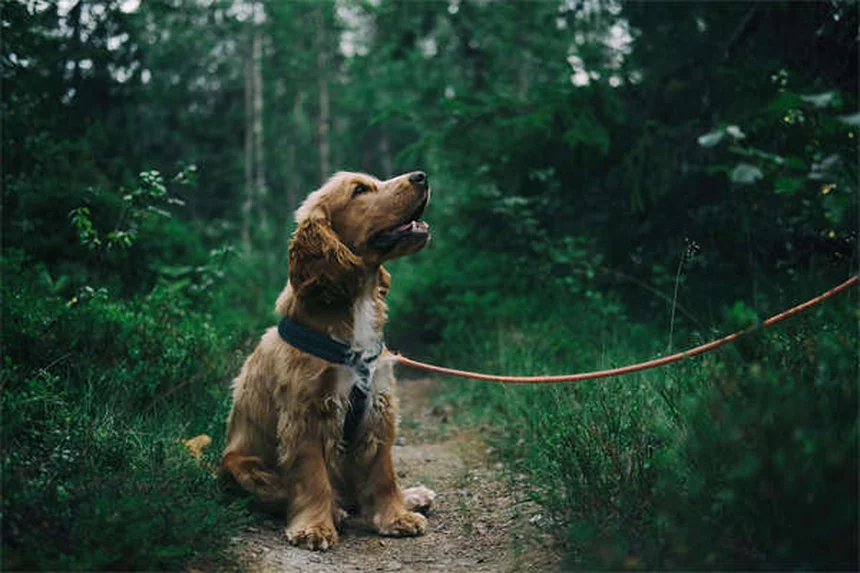
Are newborn puppies as fragile as they seem? The answer is: Yes, but they're also packed with incredible survival skills! Those tiny bundles of fur might look helpless, but they come equipped with some fascinating abilities right from birth. I've been studying puppy development for years, and let me tell you - these little guys will blow your mind with what they can do!From their marathon sleeping habits to their super-powered noses, newborn pups are full of surprises. Did you know they're born blind yet can still find their mom instantly? Or that they double their birth weight in just days? We're going to uncover 12 mind-blowing facts about puppies in their first weeks of life that even experienced dog owners might not know.Whether you're caring for a new litter or just love learning about dogs, understanding these newborn puppy facts will give you a whole new appreciation for man's best friend. Let's dive into what makes these little creatures so remarkable!
E.g. :Can Dogs Take Pepto-Bismol? Vet-Approved Safety Guide
- 1、Puppy Development: The First Few Days
- 2、Puppy Senses: How They Experience the World
- 3、Puppy Care Essentials
- 4、Puppy Growth Milestones
- 5、Puppy Socialization Secrets
- 6、Puppy Health Red Flags
- 7、Fun Puppy Facts You'll Love
- 8、The Science Behind Puppy Sleep Patterns
- 9、Nutrition Beyond Mother's Milk
- 10、Developing Puppy Personalities
- 11、Puppy Health Beyond the Basics
- 12、Advanced Puppy Socialization Techniques
- 13、Puppy Brain Development Breakthroughs
- 14、FAQs
Puppy Development: The First Few Days
Sleeping Like...Well, a Baby!
You think you need beauty sleep? Newborn pups sleep about 90% of the day - that's 22 hours of snoozing! Their tiny bodies are working overtime to grow, so don't be surprised if your puppy seems to do nothing but nap.
Here's a fun comparison: while human babies sleep about 16 hours daily, puppies put them to shame with their marathon sleeping sessions. This extreme sleep pattern helps their brains develop and bodies grow at an incredible rate - some breeds can double their birth weight in just one week!
Eating Machines in Tiny Packages
When they're not sleeping? They're eating. Newborn puppies nurse every 2-3 hours, around the clock. That means you'll be on puppy feeding duty day and night if you're caring for an orphaned pup.
Did you know a puppy's stomach is only about the size of a cherry when born? That's why they need frequent small meals. Here's a quick comparison of feeding schedules:
| Age | Feedings Per Day | Amount Per Feeding |
|---|---|---|
| 0-2 weeks | 8-12 | 2-4 ml per ounce of body weight |
| 2-4 weeks | 6-8 | 5-7 ml per ounce of body weight |
Puppy Senses: How They Experience the World
 Photos provided by pixabay
Born Blind and Deaf - But Not for Long!
Here's something wild - puppies are born with their eyes and ears closed! Their eyelids don't open until 10-14 days old, and their ear canals open around the same time.
Ever wonder why this happens? Nature designed it this way to protect their developing senses. In those first two weeks, puppies rely completely on smell and touch to find mom and siblings. By three weeks, their vision starts clearing up, and soon they'll be seeing the world in all its puppy-sized glory!
The Nose Knows Best
While their eyes and ears are out of commission early on, a puppy's nose is working overtime from birth. Their sense of smell is about 1,000 times stronger than ours - that's how they locate mom's milk source so quickly!
You might notice puppies twitching their noses constantly. That's because scent is their primary way of understanding the world at first. Even before they can see you, they'll recognize your smell and associate it with comfort and safety.
Puppy Care Essentials
Keeping Them Warm and Cozy
Newborn puppies can't regulate their body temperature well. For the first two weeks, they need an environment between 85-90°F (29-32°C). After that, you can gradually decrease it to about 75°F (24°C) by week four.
Here's a pro tip: use a heating pad under half the whelping box so pups can move away if they get too warm. Always monitor the temperature with a thermometer - their comfort zone is narrower than you might think!
 Photos provided by pixabay
Born Blind and Deaf - But Not for Long!
Ever held a newborn puppy and marveled at how fragile they feel? Their bones are still developing, so you'll want to be extra gentle. But did you know proper handling actually helps their development?
Puppies who experience positive human touch from 3-16 days old tend to be more confident and sociable as adults. Just keep sessions short (5-10 minutes) and always support their entire body. Think of it as quality bonding time that sets them up for life!
Puppy Growth Milestones
From Wobbly to Zoomies
Those first attempts at walking are downright adorable - and hilarious! At about 2 weeks old, puppies start trying to stand, looking like tiny drunk sailors. By 3 weeks, they're taking their first wobbly steps.
But here's the amazing part - within just a few days of those first steps, they'll be running around like they own the place! That rapid development is why puppy-proofing your home becomes crucial so quickly.
Teething Timeline
Think human babies are the only ones who teeth? Puppies get their first teeth (the incisors) at 2-4 weeks old, with canines following at 3-5 weeks. By 8 weeks, they'll have all 28 baby teeth!
Here's a fun fact: those sharp little puppy teeth are designed to transition them from milk to solid food. But watch out - they're also perfect for nibbling on your fingers during playtime!
Puppy Socialization Secrets
 Photos provided by pixabay
Born Blind and Deaf - But Not for Long!
Between 3-14 weeks old, puppies go through their prime socialization period. This is when positive experiences shape their future personality. Wait too long to introduce them to new people, sounds, and environments, and you might end up with a fearful adult dog.
But here's the good news - making socialization fun is easy! Simple things like letting them walk on different surfaces (grass, tile, carpet) or meet friendly neighbors can make a world of difference.
Sibling Bonds Matter
Ever watched puppies play together? Those wrestling matches and pouncing games aren't just cute - they're crucial for learning bite inhibition and doggy manners. Puppies separated from littermates too early often struggle with these skills later.
Most experts recommend keeping puppies with mom and siblings until at least 8 weeks old. Those extra weeks of puppy playtime pay off in better social skills and confidence!
Puppy Health Red Flags
When to Call the Vet
Newborn puppies are vulnerable, so knowing warning signs is crucial. Immediate vet attention is needed if a puppy:
- Isn't nursing regularly
- Feels cold to the touch
- Cries constantly
- Is being rejected by mom
Remember, it's always better to be safe than sorry with these little ones. A quick vet check can mean the difference between a minor issue and a serious problem.
The Fading Puppy Syndrome
This heartbreaking condition causes some puppies to fail to thrive despite apparent good care. Symptoms include weakness, inability to nurse, and being smaller than littermates.
While the exact causes aren't always clear, immediate veterinary care gives these puppies their best chance. Specialized feeding and temperature support can sometimes help them pull through.
Fun Puppy Facts You'll Love
Puppy Dreams Are Real
Notice those little twitches during sleep? Puppies experience REM sleep just like we do, complete with dreaming! Researchers believe they're likely processing all their new experiences.
Next time you see your puppy's paws paddling in sleep, imagine they're dreaming of chasing butterflies or playing with their siblings. It's one of the cutest parts of puppyhood!
They're Born With Superpowers
Okay, not exactly - but newborn puppies have some amazing abilities. For example, they can instinctively crawl toward warmth (called thermotaxis) and have a "rooting reflex" that helps them find mom's milk.
These built-in survival skills help them thrive even before their eyes open. Nature really thought of everything when designing these adorable little creatures!
The Science Behind Puppy Sleep Patterns
Why Puppies Need So Much Sleep
You might think puppies are just lazy sleepers, but there's serious science behind those marathon naps. During sleep, their bodies produce growth hormone at 10 times the rate of awake periods. That's why proper rest directly impacts how big and strong your pup will grow!
Here's something fascinating - puppies experience sleep cycles that are much shorter than ours, about 10 minutes compared to our 90-minute cycles. This means they transition between light and deep sleep more frequently, which actually helps their brain development. Ever notice how they twitch more than adult dogs while sleeping? That's because their immature nervous systems cause more visible muscle activity during REM sleep.
The Dreaming Puppy Phenomenon
Have you ever watched your puppy's eyes move rapidly under closed lids? That's when they're in REM sleep and likely dreaming about their daily adventures. Studies suggest dogs process memories and learn during sleep just like humans do.
Want to help your puppy sleep better? Create a consistent bedtime routine and comfortable sleeping area. Puppies raised with good sleep habits tend to grow into calmer, better-adjusted adult dogs. Pro tip: A warm water bottle wrapped in a towel can mimic littermates' warmth for orphaned pups!
Nutrition Beyond Mother's Milk
The Transition to Solid Foods
When puppies reach 3-4 weeks old, their nutritional needs change dramatically. This is when you'll start introducing puppy gruel - a mixture of high-quality puppy food and milk replacement. The weaning process typically takes 2-3 weeks, during which puppies gradually reduce nursing while increasing solid food intake.
Here's a common mistake many new owners make - switching to adult dog food too early. Puppy food contains higher levels of protein, fat, and essential nutrients needed for proper development. Most veterinarians recommend feeding puppy formula until at least 12 months for larger breeds!
Hydration Matters More Than You Think
Did you know puppies can become dehydrated much faster than adult dogs? Their bodies are about 80% water compared to 60% in adults. Always provide fresh water once they start eating solid food, even if they're still nursing occasionally.
Watch for these signs of dehydration:
- Dry, sticky gums
- Loss of skin elasticity
- Sunken eyes
- Lethargy
Developing Puppy Personalities
Early Signs of Temperament
Believe it or not, you can spot personality traits as early as 3-4 weeks old! The bold puppy who explores first often grows into a confident adult, while the one hanging back might be more cautious. But here's the important part - early experiences can shape these tendencies.
We call this the "nature vs. nurture" debate in dog development. While genetics play a role, positive reinforcement and proper socialization can help shy puppies gain confidence. The key is going at their pace - never force interactions that clearly make them uncomfortable.
The Sibling Effect on Behavior
Ever wonder why responsible breeders keep puppies with littermates for 8+ weeks? Those wrestling matches teach crucial social skills! Puppies separated too early often struggle with bite inhibition and dog-to-dog communication later in life.
Here's an interesting fact: puppies who stay with siblings longer tend to be better at reading other dogs' body language. They learn canine etiquette through play - when one puppy bites too hard, the other yelps and stops playing. This natural feedback system is something humans can't fully replicate!
Puppy Health Beyond the Basics
The Hidden Importance of Gut Health
Did you know a puppy's digestive system is sterile at birth? They acquire beneficial bacteria from their mother's milk and environment. This microbiome development is crucial for immune system function and nutrient absorption.
Here's why this matters: puppies separated from mom too early or given unnecessary antibiotics may develop digestive issues. Probiotic supplements designed specifically for puppies can help, but always consult your vet first. A healthy gut means a healthier, happier puppy!
Parasite Prevention Starts Early
Most people don't realize that nearly all puppies are born with roundworms or get them from their mother's milk. Veterinarians typically recommend deworming starting at 2 weeks old, with treatments every 2 weeks until they're 12 weeks old.
Here's a quick guide to common puppy parasites and prevention:
| Parasite | Transmission | Prevention |
|---|---|---|
| Roundworms | Mother's milk, environment | Regular deworming |
| Hookworms | Skin penetration, ingestion | Clean environment, prevent soil eating |
| Fleas | Environment, other animals | Vet-approved flea prevention |
Advanced Puppy Socialization Techniques
Beyond Basic Exposure
Socialization isn't just about meeting people and dogs. Have you considered introducing your puppy to different surfaces, sounds, and experiences? Walking on grates, hearing thunderstorms, and encountering unusual objects all help build confidence.
The key is making every new experience positive. Carry treats to reward brave behavior, but never force interactions. Puppies who learn that new things predict good outcomes grow into adaptable adult dogs. Think of it as giving them a toolkit for handling life's surprises!
The Car Ride Challenge
Many owners don't realize that car sickness in adult dogs often stems from negative early car experiences. Start with short, positive trips (maybe just to the end of the driveway!) and gradually increase duration.
Here's a pro tip: bring familiar-smelling blankets and take your puppy on an empty stomach at first. Reward calm behavior with treats and praise. Positive car experiences early on can prevent lifelong travel anxiety - something you'll both appreciate during vet visits and family trips!
Puppy Brain Development Breakthroughs
The Enrichment Advantage
Recent studies show that puppies raised in enriched environments develop more neural connections. This means puzzle toys, novel experiences, and training sessions actually make your puppy smarter!
Simple enrichment ideas:
- Food-dispensing toys
- Novel textures to explore (bubble wrap, cardboard boxes)
- Basic obedience training sessions
- Controlled outdoor exploration
The Language Learning Puppy
Did you know puppies can learn words as early as 8 weeks old? They start associating sounds with meaning much earlier than we previously thought. This is why consistent command words during training are so important.
Here's something amazing - research suggests puppies can learn up to 165 words (the smarter breeds even more)! The key is short, positive training sessions with clear repetition. Start with basics like "sit" and "come" using high-value treats as rewards. You're literally helping build your puppy's vocabulary!
E.g. :12 Fascinating Facts You Didn't Know About Newborn Puppies ...
FAQs
Q: How long do newborn puppies sleep each day?
A: Newborn puppies sleep about 22 hours daily - that's a whopping 90% of their day! As someone who's raised multiple litters, I can tell you this extreme sleep pattern is completely normal. Their tiny bodies are working overtime to grow, with some breeds doubling their birth weight in just one week. While it might seem concerning at first, all that snoozing is actually fueling their rapid development. Just make sure they're waking regularly to eat every 2-3 hours.
Q: When do puppies open their eyes and ears?
A: Here's something fascinating - puppies are born with their eyelids fused shut! Their eyes typically open between 10-14 days old, with ear canals opening around the same time. During those first two weeks, they rely completely on smell and touch to navigate their world. As a vet tech, I always remind new owners not to force eyelids open - nature knows best! By three weeks, their vision starts clearing up, and soon they'll be seeing everything in puppy-sized detail.
Q: How often should newborn puppies eat?
A: Newborn pups need to nurse every 2-3 hours, around the clock - yes, that includes nighttime! Their stomachs are only cherry-sized at birth, so they need frequent small meals. I've cared for many orphaned puppies, and trust me, setting alarms for 2 AM feedings becomes second nature. The schedule gradually eases up after 2 weeks, dropping to 6-8 feedings daily. Always monitor their weight gain - steady growth is the best sign they're getting enough nutrition.
Q: What temperature do newborn puppies need?
A: Temperature regulation is crucial! For the first two weeks, puppies need an environment between 85-90°F (29-32°C). After that, you can gradually decrease it to about 75°F (24°C) by week four. Pro tip from my whelping experience: use a heating pad under only half the sleeping area so pups can move away if too warm. Always use a thermometer - their comfort zone is narrower than you'd think. Chilling is one of the biggest dangers to newborns, so keep them cozy!
Q: Why is handling important for newborn puppies?
A: Here's an amazing fact - gentle handling from 3-16 days old actually shapes their future personality! Puppies who experience positive human touch during this window tend to grow into more confident, sociable dogs. As a breeder, I make sure to handle each pup daily (for just 5-10 minutes) while fully supporting their fragile bodies. This early bonding pays off big time in their adult temperament. Just remember - always let mom approve first, and keep sessions short and sweet!