
Is earwax normal for dogs? The answer is: Yes, some earwax is completely normal and healthy for your furry friend! Just like humans, dogs produce earwax as a natural way to protect their ear canals. But here's the thing - while a little wax is fine, excessive buildup can signal trouble. We've all seen our pups scratch their ears and wondered, Should I be cleaning that? The truth is, most dogs' ears are self-cleaning wonders that don't need our help - unless they're one of those special breeds prone to wax issues. In this guide, we'll break down everything you need to know about your dog's ear health, from normal wax levels to spotting infections before they become serious problems. Let's keep those ears happy and healthy!
E.g. :Why Do Dogs Love Shredding Paper? 5 Surprising Reasons Explained
- 1、Is Earwax Normal for Pets? Let's Get to the Bottom of It!
- 2、Which Pets Are Earwax Champions? The Breed Breakdown
- 3、The Right Way to Clean Your Pet's Ears
- 4、Ear Infections: Don't Let Them Sneak Up On You
- 5、Prevention Is Better Than Cure
- 6、The Surprising Science Behind Pet Earwax
- 7、The Great Ear Cleaning Debate
- 8、Ear Problems You Might Not Expect
- 9、Special Considerations for Different Pets
- 10、Fun Facts About Pet Ears You'll Love
- 11、FAQs
Is Earwax Normal for Pets? Let's Get to the Bottom of It!
Understanding Your Pet's Natural Earwax
Hey there pet parents! I know you're wondering - "Should I be cleaning my dog's ears every time I see wax?" Well, here's the scoop: a little earwax is completely normal for both dogs and cats. In fact, their ears are designed to be self-cleaning!
Think of it like this - your pet's ears have their own little ecosystem. When we start messing with that balance by over-cleaning, we can actually cause more problems than we solve. Did you know that cleaning too often can change the pH balance in your pet's ears? That's like throwing off the entire neighborhood!
When Should You Actually Worry?
Here's a simple rule: if the ears look pink, smell normal, and your pet isn't scratching at them, you're probably good to go. But if you notice any of these signs, it's time for a vet visit:
- Funky odors coming from the ears
- Redness or swelling
- Your pet seems uncomfortable when you touch their ears
Remember - when in doubt, check it out! Your vet can give you the best advice about your specific pet's needs.
Which Pets Are Earwax Champions? The Breed Breakdown
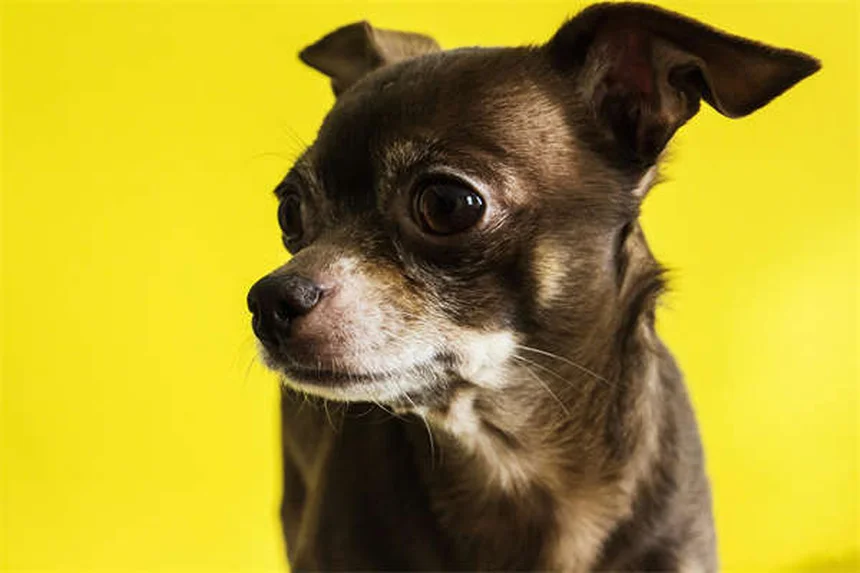 Photos provided by pixabay
Top Earwax-Producing Breeds
Some pets could probably enter an earwax production contest and win! Here's a quick comparison of our top contenders:
| Breed | Earwax Level | Special Considerations |
|---|---|---|
| Cocker Spaniels | High | Genetic predisposition to wax overproduction |
| Basset Hounds | High | Long ear canals trap wax |
| English Bulldogs | Moderate-High | Skin folds collect wax |
| Poodles | Moderate | Hair in ear canals traps wax |
Other Factors That Increase Earwax
But wait - it's not just about breed! Did you know that allergies can turn your pet into a wax factory? When those ear canals get irritated, they start pumping out extra wax like it's going out of style.
And here's something interesting - ever notice how your dog shakes their head after swimming? That's because water activities can lead to more wax production too. It's like their ears are trying to waterproof themselves!
The Right Way to Clean Your Pet's Ears
When Cleaning Becomes Necessary
Now, I know what you're thinking - "But what if my vet says we need to clean?" Great question! Some pets do need regular ear cleaning, especially if they're prone to infections or have special ear anatomy.
Your vet might recommend cleaning every two weeks with a special solution. These magical potions do three important things:
- Break up that stubborn wax
- Dry out any moisture
- Keep the pH balanced just right
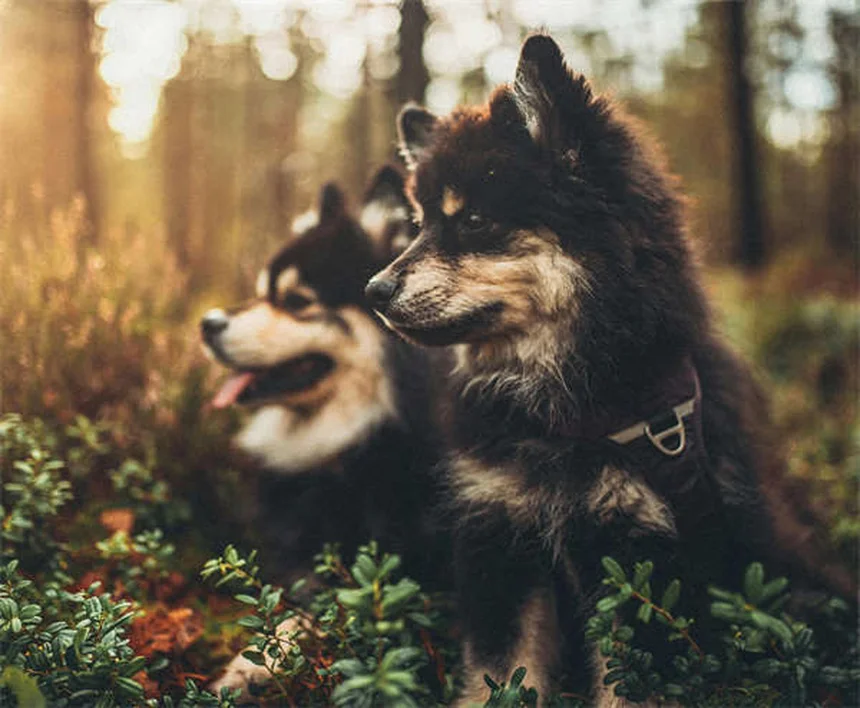 Photos provided by pixabay
Top Earwax-Producing Breeds
Here's a funny thing - sometimes what looks like earwax isn't earwax at all! I've seen cases where:
Dirt masquerading as wax: "Oh look at all this brown gunk!" Nope - just plain old dirt from rolling in the yard.
Yeast infections playing dress-up: That dark brown gunk? Could be a yeast infection pretending to be harmless wax. Tricky little buggers!
The moral of the story? When you're not sure, let your vet play detective. They've got the tools and know-how to tell the difference.
Ear Infections: Don't Let Them Sneak Up On You
Red Flags Every Pet Parent Should Know
Let me tell you about Max, a Golden Retriever I know. His owner thought his excessive ear scratching was just allergies - until that telltale smell showed up. Ear infections often announce themselves with some obvious signs:
- Head shaking like they're at a rock concert
- Rubbing their ears along your new couch (ouch!)
- Whining when you touch their ears
- Visible redness or swelling
And here's a pro tip: compare both ears. If one looks different than the other, that's your clue something's up.
Why Prompt Treatment Matters
Think ear infections are no big deal? Think again! Left untreated, they can:
First, they're painful - imagine having an itch you can't scratch that just keeps getting worse. Second, chronic infections can actually change the structure of the ear canal over time. And worst case scenario? Permanent hearing loss.
But here's the good news - with proper treatment from your vet, most ear infections clear up quickly. The key is catching them early!
Prevention Is Better Than Cure
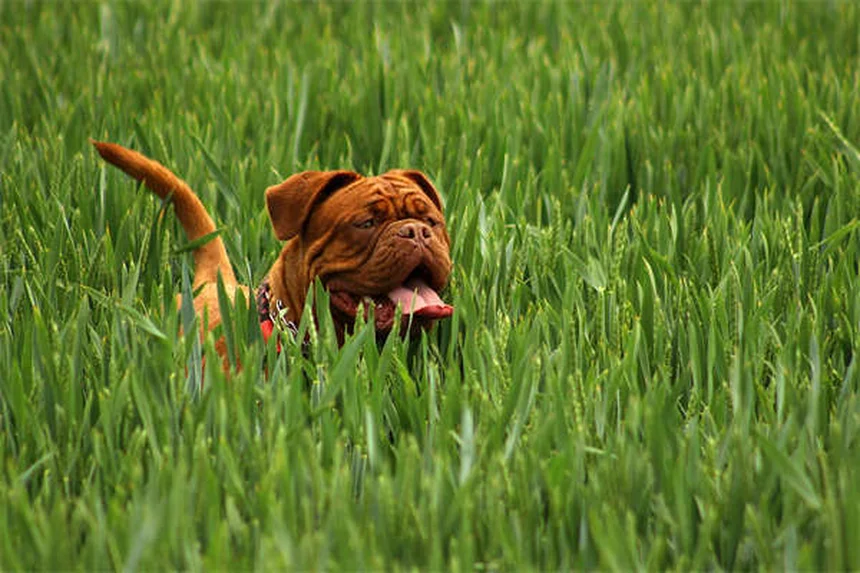 Photos provided by pixabay
Top Earwax-Producing Breeds
Want to keep your pet's ears in tip-top shape? Try these easy routines:
Weekly Check-Ups: Make ear inspection part of your grooming routine. Just lift those flaps and take a peek - it takes seconds!
After-Swim Care: If your dog loves water, gently dry their ears with a soft towel afterward. Some vets even recommend special drying solutions.
Allergy Management: If allergies are the root cause, work with your vet to control them. Fewer allergy flares = happier ears!
When to Call the Professionals
Remember - you're not in this alone! Your vet is your partner in keeping those ears healthy. Schedule regular check-ups, especially if your pet is prone to ear issues.
And here's my final piece of advice: trust your instincts. You know your pet better than anyone. If something seems off, don't wait - make that appointment. Your furry friend will thank you!
The Surprising Science Behind Pet Earwax
What Earwax Actually Does for Your Pet
You might think earwax is just gunk, but it's actually your pet's personal bodyguard! That sticky stuff traps dust, dirt, and even tiny insects before they can cause trouble deeper in the ear canal. It's like nature's version of flypaper!
Here's something cool - earwax contains special antibacterial properties. Researchers have found it can fight off certain bacteria and fungi. So when you see that light brown wax, you're actually looking at your pet's first line of defense against infections. Pretty amazing, right?
The Color Code: What Different Earwax Shades Mean
Let's play detective with your pet's earwax colors:
| Color | What It Usually Means | When to Worry |
|---|---|---|
| Light brown | Healthy, normal wax | Never - this is perfect! |
| Dark brown/black | Could be normal or yeast infection | If accompanied by odor or scratching |
| Yellow/green | Possible bacterial infection | Definitely time for vet visit |
| Red/pink | Blood present | Emergency vet situation |
Ever wonder why some dogs have wax that looks like they stuck their ears in a jar of peanut butter? That's usually just their particular wax consistency - some pets naturally produce thicker wax than others.
The Great Ear Cleaning Debate
DIY vs Professional Cleaning: What's Best?
Here's a question I get all the time: "Can't I just use cotton swabs like I do for myself?" Oh boy, let me stop you right there! Cotton swabs are basically the worst thing you can use in your pet's ears. You might push wax deeper or even damage their delicate ear drums.
Instead, try this vet-approved method: soak a cotton ball with ear cleaning solution (your vet can recommend a good one), gently wipe the visible parts of the ear, and let your pet shake out the excess. It's like giving their ears a mini car wash!
Homemade Solutions: Yay or Nay?
Pinterest might tell you to mix vinegar and water, but hold your horses! While some homemade solutions can work, others can seriously irritate your pet's ears. That "natural" remedy could end up causing more problems than it solves.
Here's a funny story - one client used olive oil because she read it online. Turns out her dog loved the smell so much he started rubbing his ears on everything to get more oil! Moral of the story? Stick with vet-recommended products unless you want your house smelling like an Italian restaurant.
Ear Problems You Might Not Expect
Ear Mites: The Tiny Troublemakers
Think earwax is messy? Wait until you see what ear mites can do! These microscopic pests create a coffee-ground-like debris that's often mistaken for wax. And get this - they're crazy contagious between pets.
The worst part? Ear mites make your pet's ears itch like crazy. Imagine having dozens of tiny spiders crawling in your ears 24/7 - that's what your poor pet experiences! The good news? Modern treatments can wipe out mites in just a few doses.
Foreign Objects: The Strangest Things We've Found
You wouldn't believe the things we've pulled out of pets' ears! From grass seeds to LEGO pieces (how does that even happen?), foreign objects can mimic earwax problems. One time we found a tiny toy soldier lodged deep in a Beagle's ear canal - no wonder he kept tilting his head!
Here's my pro tip: if your pet suddenly starts pawing at one ear, think about what they were doing recently. Playing in tall grass? Chewing on toys around small kids? That context helps your vet solve the mystery faster.
Special Considerations for Different Pets
Cats vs Dogs: Big Differences in Ear Care
Did you know cats are actually much better at self-cleaning their ears than dogs? Their ear canals are shaped differently and they produce less wax. That's why you rarely see cats with ear problems unless something's really wrong.
But here's the funny thing - while dogs will usually let you clean their ears (with some complaining), cats act like you're trying to murder them! I always tell cat owners to go slow and use lots of treats. Maybe even wrap them in a purrito (towel burrito) for safety!
Senior Pets Need Extra Attention
As pets age, their earwax production often changes. Some older pets produce less wax, while others make more. And here's something important - hearing loss in senior pets isn't always from age. Sometimes it's just a big wax plug blocking sound!
I had one client whose 14-year-old Lab seemed to be going deaf. Turns out he just needed a professional ear cleaning - afterward he could hear perfectly again! His owner cried happy tears when he came running to the treat jar for the first time in months.
Fun Facts About Pet Ears You'll Love
The Amazing Ear Communication System
Here's something wild - dogs have about 18 muscles controlling their ears, while we humans only have 6! That's why your pup can do that adorable one-ear-up, one-ear-down look. Cats are even more impressive with 32 ear muscles!
Ever notice how your pet's ears move when they're dreaming? Researchers believe they're actually "hearing" their dreams! Maybe that's why some dogs woof in their sleep while their ears twitch like crazy.
Celebrity Pets and Their Ear Issues
Even famous pets deal with ear problems! The dog who played Eddie on Frasier needed regular ear cleanings between takes. And Grumpy Cat? Her famous frown might have been partly due to chronic ear discomfort!
Here's a hilarious behind-the-scenes story - during the filming of "Air Bud," the golden retriever star kept shaking his head during important scenes. Turns out he just needed his ears cleaned! After treatment, they could finally get those perfect takes without the ear flapping.
E.g. :What is Normal Earwax for Pets?
FAQs
Q: How often should I clean my dog's ears?
A: Here's the surprising truth - most dogs don't need regular ear cleaning unless your vet specifically recommends it. Their ears are designed to maintain their own healthy balance. Over-cleaning can actually disrupt the natural pH and lead to infections. However, if you have a breed like Cocker Spaniels or Basset Hounds that are prone to wax buildup, your vet might suggest cleaning every 2-4 weeks. Always use a vet-approved ear cleaner and never insert anything into the ear canal. Remember, when in doubt, check with your vet - they know your dog's specific needs best!
Q: What does healthy dog earwax look like?
A: Healthy earwax in dogs is typically light yellow to light brown in color, with a slightly waxy texture - think softened candle wax. It shouldn't have a strong odor, and there shouldn't be large amounts of it. What's not normal? Dark brown or black wax, wax that looks like coffee grounds, or wax with a foul smell. These could indicate an infection or mites. Also watch for redness, swelling, or if your dog seems bothered by their ears. When you're doing your weekly ear checks (yes, we recommend quick weekly peeks under those floppy ears!), healthy wax should be minimal and evenly distributed.
Q: Which dog breeds are most prone to earwax problems?
A: Some breeds are practically earwax factories! The top contenders include Cocker Spaniels (they have a genetic predisposition), Basset Hounds (those long ears trap everything), Poodles (hair grows in their ear canals), and Bulldogs (thanks to all those skin folds). Dogs with floppy ears generally have more wax issues than prick-eared breeds. But it's not just about breed - dogs who swim frequently or have allergies often develop more wax too. If you've got one of these wax-prone pups, regular vet checkups are extra important to prevent painful ear infections.
Q: Can I use cotton swabs to clean my dog's ears?
A: Absolutely not! This is one of the most common mistakes pet parents make. Cotton swabs can push wax deeper into the ear canal and potentially damage the eardrum. Instead, use a soft cotton ball or gauze pad wrapped around your finger to gently wipe the visible parts of the ear. For deeper cleaning, use a vet-recommended ear cleaner - squirt it into the ear canal, massage the base of the ear (you'll hear a squishy sound), then let your dog shake their head to bring the wax up where you can wipe it away. Always stop if your dog seems uncomfortable and consult your vet.
Q: What are the signs of an ear infection in dogs?
A: Ear infections scream for attention if you know what to look for. Your dog might shake their head constantly like they're at a rock concert, scratch their ears excessively, or rub their head along furniture. The ears may smell funky (often described as yeasty or foul), look red or swollen, or feel warm to the touch. You might see unusual discharge - yellow, brown, or bloody. Some dogs tilt their head or seem off balance. Pro tip: Compare both ears - if one looks different than the other, that's a red flag. Ear infections are painful, so don't wait - call your vet at the first signs!